
The resurgence of measles across the United States isn’t simply a public health concern; it’s a looming economic crisis unfolding in slow motion. While headlines focus on case numbers – exceeding 1,000 confirmed infections in the first two months of 2026, a stark increase from the 2,281 cases in all of 2025 – the deeper story lies in the escalating costs associated with containing outbreaks and treating the infected, costs that are increasingly borne by already strained local health departments and, ultimately, American families. The situation in West Texas early in 2025, where an outbreak originating in an unvaccinated community quickly spread, offers a chilling preview of what’s to come if vaccination rates continue their downward trajectory.
The experience of Katherine Wells, head of Lubbock’s public health department, illustrates the immediate pressures. As measles cases began appearing in pediatricians’ offices, urgent care centers, and even restaurants an hour away from the outbreak’s epicenter in Gaines County, Wells found herself pleading for $100,000 in emergency funding to hire temporary staff. The request was repeatedly denied, forcing her to rely on existing staff working excessive hours – “80 hours if I have to, which is horrible,” she stated – to manage contact tracing and exposure follow-up. This isn’t an isolated incident. A recent NBC News/Stanford University investigation revealed that over two-thirds of counties and jurisdictions have seen notable declines in vaccination rates since 2019, with 67% of counties now falling below the threshold needed to prevent outbreaks.
A new report from the Yale School of Public Health quantifies the financial implications of this trend with alarming precision. If measles vaccination rates continue to decrease by just 1% annually over the next five years, the U.S. could face a $1.5 billion annual price tag. This figure breaks down into $41.1 million to cover basic patient medical needs, a staggering $947 million for public health response efforts like surveillance and contact tracing, and a further $510.4 million lost in workforce productivity. These projections aren’t abstract; they’re based on detailed modeling using existing county-level vaccination data and established costs associated with measles cases, hospitalizations, and related complications. A parallel analysis from Johns Hopkins Bloomberg School of Public Health estimates an initial financial hit of $244,480 to a community upon the outbreak’s onset, with each additional case adding roughly $16,000 in expenses.
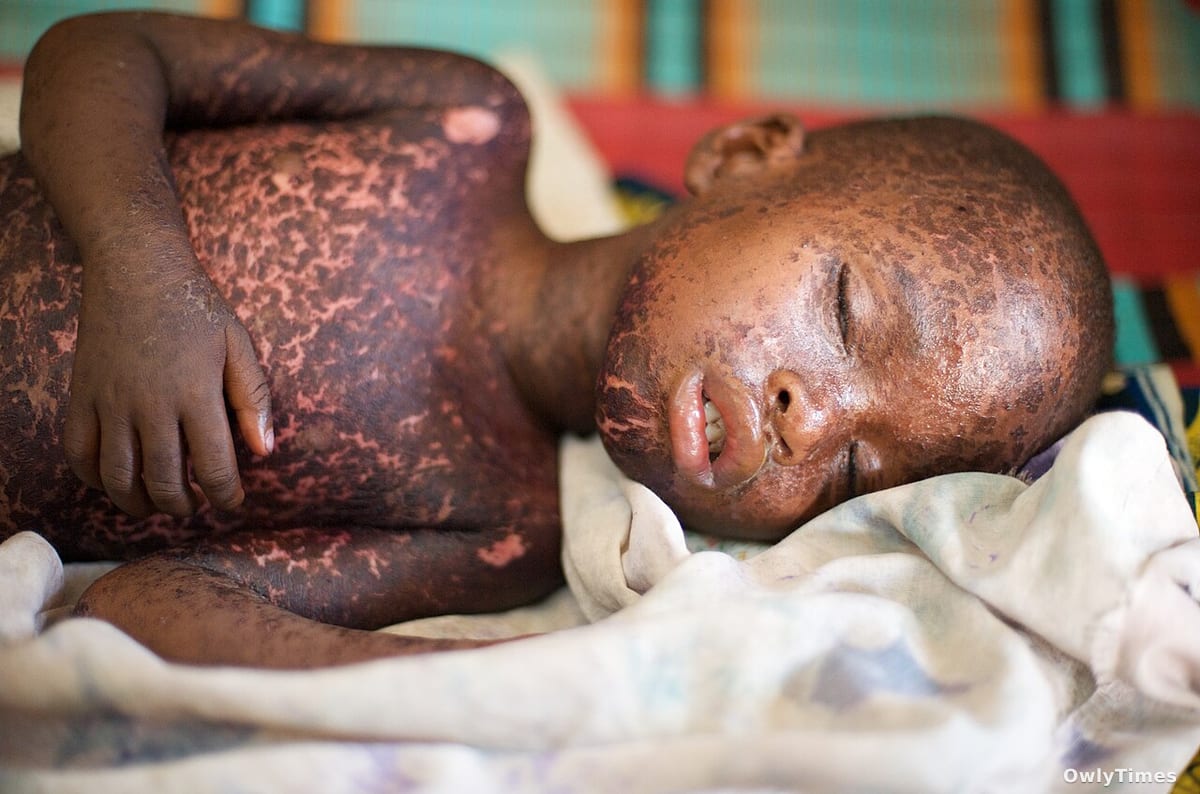
However, focusing solely on the monetary cost risks obscuring the human toll. The report emphasizes that these figures represent more than just dollars and cents; they represent families grappling with hospitalizations, lost wages, and the potential for long-term health consequences for their children. Measles can lead to severe complications like pneumonia, encephalitis (inflammation of the brain), and, in rare but devastating cases, subacute sclerosing panencephalitis, a fatal neurological condition that can emerge years after the initial infection. The tragic deaths of two young girls in Texas, ages 6 and 8, serve as a stark reminder of the virus’s potential lethality. The current administration, under President Donald Trump and guided by Health Secretary Robert F. Kennedy Jr., has prioritized “personal choice” regarding vaccination, a shift in messaging that directly contradicts decades of public health guidance.
See the original NBC News story for the full account.
It’s crucial to understand that these costs aren’t evenly distributed. Communities with lower vaccination rates, like Spartanburg County, South Carolina, currently battling the country’s largest single outbreak, bear the brunt of the burden. While the South Carolina Department of Public Health has received some redirected funding from the Centers for Disease Control and Prevention – $100,000 from CDC available for vaccine-preventable disease responses, and an additional $8.5 million distributed to seven areas nationally – the scale of the problem far exceeds available resources. The CDC’s funding allocations, while helpful, are reactive, awarded based on requests and existing availability, rather than proactive investment in preventative measures.
Limitations to consider include the inherent challenges in accurately predicting future vaccination rates and outbreak severity. The Yale model relies on projections, and unforeseen factors – such as a renewed public health campaign or the development of more effective vaccines – could alter the trajectory. Furthermore, the Johns Hopkins analysis, while comprehensive, is based on data collected up to 2004, excluding the recent outbreaks in Texas, Utah, and Arizona. The economic impact of long-term complications like encephalitis is also difficult to fully quantify, potentially underestimating the true cost.
Looking ahead, the critical research question isn’t simply how much these outbreaks will cost, but how to prevent them. Future studies should focus on identifying the specific factors driving vaccine hesitancy in different communities and developing targeted interventions to address those concerns. Investigating the effectiveness of different communication strategies, exploring innovative vaccine delivery methods, and strengthening public health infrastructure are all essential next steps. We need to move beyond simply reacting to outbreaks and invest in proactive measures to ensure that measles remains a preventable disease, not a growing economic and public health crisis. The question now is whether policymakers will prioritize long-term prevention over short-term cost-cutting, and whether communities will recognize the collective benefit of widespread vaccination before the financial and human costs become insurmountable.