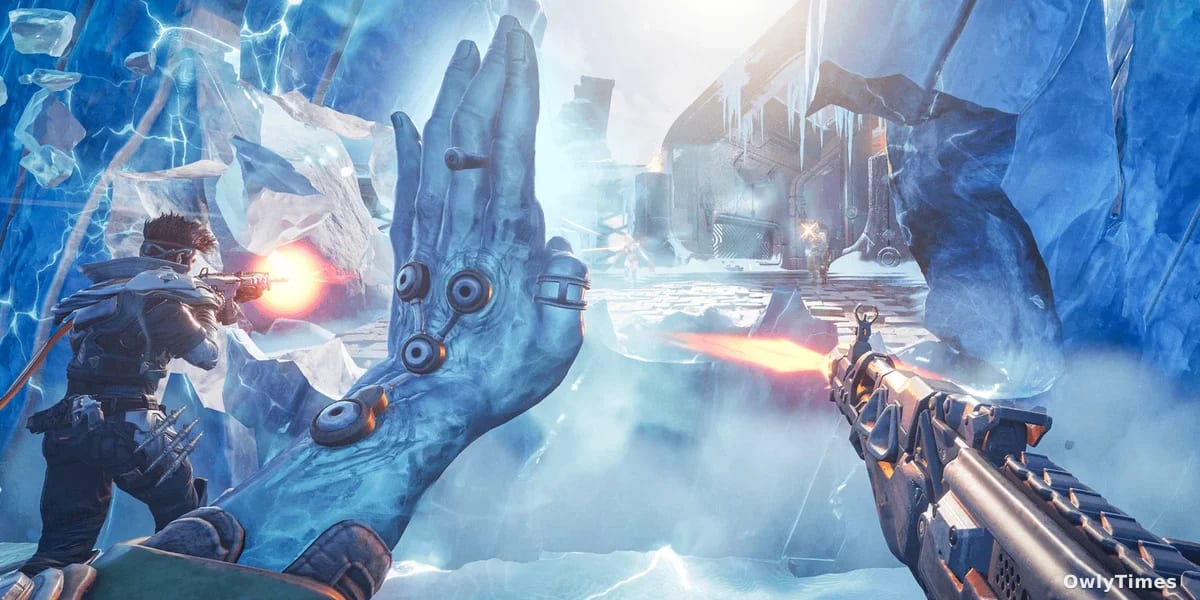

The fluorescent lights of the all-hands meeting flickered on February 11th, casting a pallor over the faces of nearly 100 employees at Wildlight Entertainment. Just weeks after the launch of Highguard, their ambitious free-to-play shooter, the message was blunt: the studio was, according to sources who spoke with Bloomberg, “out of money.” The swiftness of the collapse, leaving less than 20 people employed, isn’t just a story of a failed game launch; it’s a stark illustration of the shifting power dynamics and increasingly unforgiving metrics that define the modern gaming industry, where even veteran talent can’t guarantee success.
The Illusion of Independence
Dusty Welch, CEO and co-founder of Wildlight, had carefully cultivated an image of independence. He publicly positioned the studio, formed in 2023, as a nimble, self-reliant entity, “an independent studio without the support of a big organisation.” This narrative, however, quickly unravels under scrutiny. The “fully funded” studio was, in reality, heavily reliant on TiMi Studio Group, a subsidiary of Tencent, as its “lead financial backer.” This isn’t necessarily scandalous – Tencent is a major player in the gaming world, investing in studios globally – but it exposes a critical tension. Wildlight presented itself as a disruptor, yet operated under the constraints of a massive corporation with its own expectations for return on investment. The revelation, coupled with Welch and Tencent’s silence when approached by Bloomberg, speaks volumes about the carefully constructed facade and the uncomfortable truths now surfacing.
Source material: gamesindustry.biz.
Chasing the Apex Ghost
Highguard initially showed promise, peaking at nearly 100,000 concurrent players across Steam and consoles on its January 26th launch. But the honeymoon period was brutally short-lived. Within a week, a staggering 90% of those players had vanished. Former developers, speaking anonymously to Bloomberg, point to a fundamental miscalculation: a relentless attempt to replicate the success of Apex Legends. The team, comprised of veterans from Respawn Entertainment – the studio behind Apex – believed they could recapture lightning in a bottle. However, they underestimated how drastically the gaming landscape had changed since Apex Legends’ surprise 2019 launch. The “shadow drop” strategy, a carefully orchestrated reveal and immediate release, worked spectacularly for Apex in a less saturated market. Attempting the same tactic with Highguard in 2024, a market flooded with free-to-play titles, proved disastrous.
Metrics, Blind Spots, and Missed Opportunities
The core issue, according to those familiar with the project, wasn’t necessarily a flawed game, but a flawed understanding of what players wanted now. While internal testing yielded largely positive reactions, developers suggest there were “blind spots” in the process. More damningly, a suggestion to release Highguard in early access – allowing for iterative development based on player feedback – was reportedly rejected by leadership. The team was fixated on replicating the Apex launch, even as data indicated a different path might be more viable. This rigidity, driven by a desire to emulate past success, highlights a dangerous trend in the industry: prioritizing pre-conceived notions over genuine player engagement. The financing structure, reportedly tied to key performance indicators like player retention, further exacerbated the pressure, creating a situation where failure felt almost preordained.
The Future of "Fully Funded" Studios
The implosion of Wildlight isn’t an isolated incident. It’s a cautionary tale for the growing number of “fully funded” studios – often backed by larger corporations – that operate under intense pressure to deliver immediate results. The industry is witnessing a shift away from fostering creative risk-taking and towards demanding quantifiable success. The question now is whether this model is sustainable. Will talented developers continue to join studios where their creative freedom is constrained by financial metrics and the ghosts of past glories? Or will we see a resurgence of smaller, truly independent studios willing to embrace experimentation and prioritize long-term player relationships over short-term profits? The fate of Wildlight, and the future of game development, may well depend on the answer.

