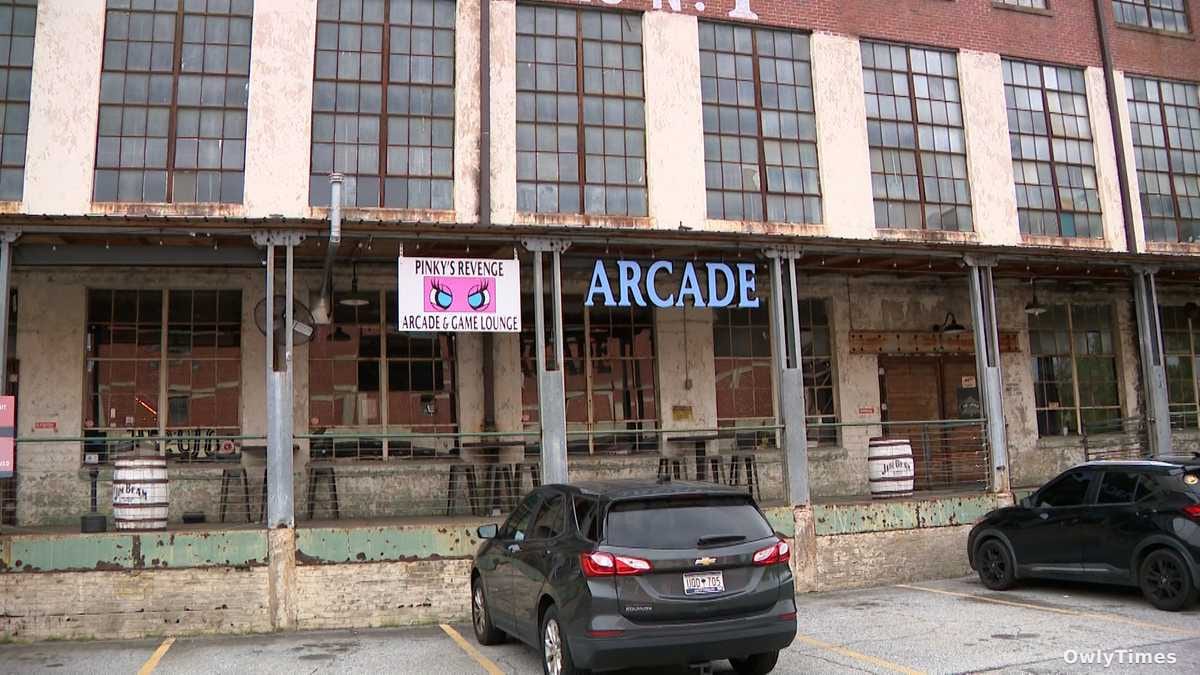

$350,000 Premium Hike Exposes Flaws in South Carolina Liquor Liability Reform
A $350,000 increase in liability insurance premiums – the jump experienced by Jeremy Barnes’ Pinky’s Revenge in Taylor, South Carolina – isn’t just a local business problem; it’s a stark indicator of unintended consequences rippling through the state’s hospitality sector. Despite recent legislative efforts aimed at curbing frivolous lawsuits and lowering costs for bars and restaurants, the reality on the ground is a tightening grip from insurance companies and a growing sense of frustration among business owners. Follow the money, and the picture reveals a system where compliance doesn’t guarantee affordability, and legislative intent clashes with market forces.
The Compliance Paradox: Doing Everything Right, Paying More
South Carolina lawmakers passed new liquor liability laws with the explicit goal of reducing financial burdens on businesses. The legislation outlined specific cost-cutting measures: halting alcohol sales after midnight, implementing digital ID scanners during late-night hours, mandatory server training, and capping alcohol revenue at 40% of total sales. Christopher Smith of the South Carolina Bar and Tavern Association confirms that establishments are, in fact, adhering to these requirements. “They’re getting the ID scanners, they’re doing the mandatory server training. They’re raising their food percentages. They’re doing all these things,” Smith stated. Yet, despite this widespread compliance, insurance premiums aren’t falling. Barnes’ experience – being forced to increase coverage from $650,000 to $1,000,000 despite six months of adherence to the new rules – is becoming increasingly common. This disconnect suggests the core issue isn’t a lack of responsible practices by businesses, but a lack of enforceable mechanisms to compel insurance companies to respond to those practices with lower rates.
See the original wyff4.com story for the full account.
Beyond Pinky’s Revenge: A Systemic Problem Emerges
The closure of Pinky’s Revenge isn’t an isolated incident. Jeremy Barnes’ decision to open a new, alcohol-free location in Greer underscores a broader trend: businesses are actively de-risking by eliminating alcohol sales altogether. This isn’t a strategic expansion; it’s a survival tactic. The situation highlights a fundamental flaw in the legislative approach. The law focuses on mitigating potential liability, but doesn’t address the actual pricing power of insurance companies. Industry data reveals that South Carolina’s average liability insurance costs for bars and restaurants were already 18% higher than the national average in 2022, before the new laws took effect. While a direct year-over-year comparison post-legislation is still developing, anecdotal evidence and reports from the Bar and Tavern Association suggest this gap is widening, not closing. The state’s attempt to regulate risk hasn’t translated into regulated costs.
The Root of the Problem: Lack of Enforcement and Market Control
The core of the issue, as articulated by Christopher Smith, is that the law “has no teeth.” There’s no clear mechanism to penalize insurance companies for failing to adjust premiums based on demonstrated risk reduction. This creates a situation where businesses are forced to absorb increased costs, even while diligently following the new regulations. The absence of a strong regulatory framework to oversee insurance pricing in this sector allows companies to prioritize profit over compliance. This isn’t simply a matter of “greed in South Carolina,” as Barnes puts it, but a predictable outcome of a poorly designed system. The state effectively ceded control of the financial impact of the law to a private market with limited incentive to respond favorably.
What this means for your wallet
The escalating costs for bars and restaurants will inevitably be passed on to consumers through higher menu prices and potentially reduced service offerings. More significantly, this situation creates a chilling effect on entrepreneurship within the hospitality industry. Expect to see fewer new bars and restaurants opening in South Carolina, and a continued trend of existing establishments either scaling back or, like Pinky’s Revenge, pivoting away from alcohol sales. The key question now is whether state lawmakers will address the lack of enforcement mechanisms and consider measures to regulate insurance pricing within the liquor liability space – or if South Carolina’s hospitality businesses will continue to bear the brunt of a well-intentioned, but ultimately ineffective, law.





