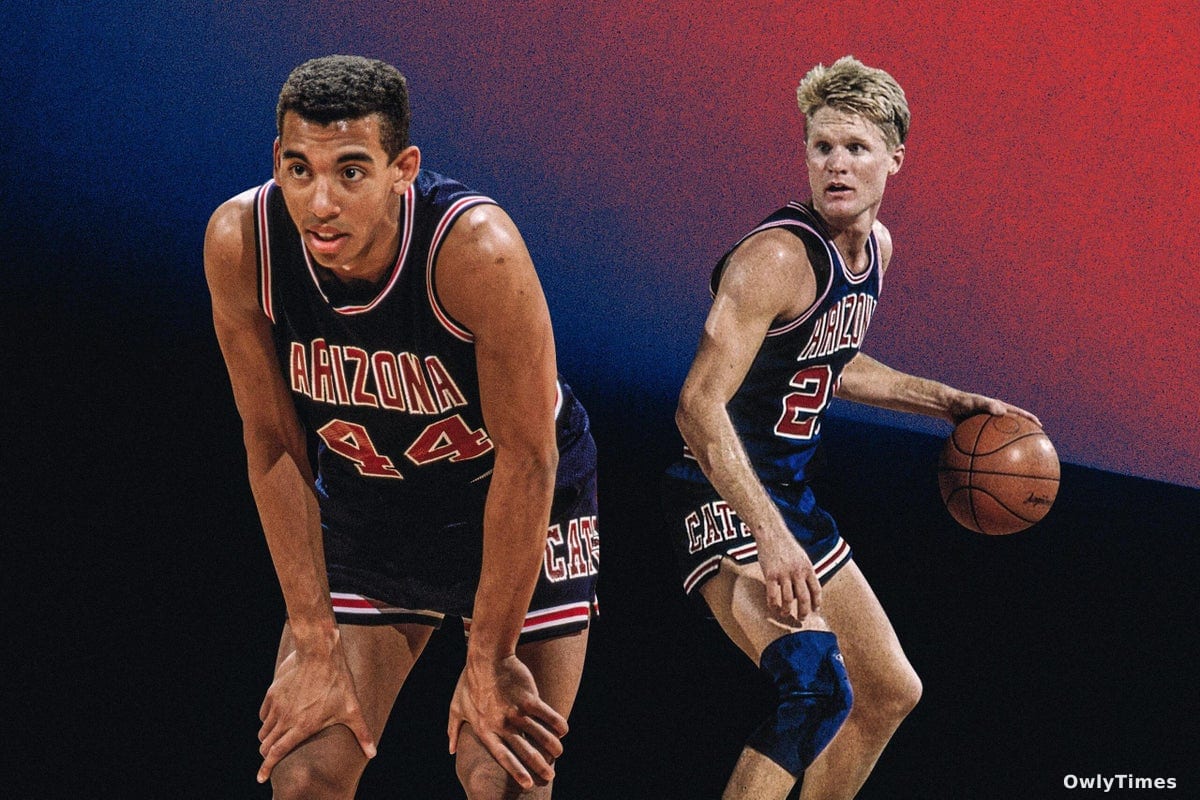

The chipped Formica of the diner booth felt cold under Harvey Mason Jr.’s forearms as he stared out at the Tucson sun, a freshman basketball player already wrestling with a truth most athletes spend their careers avoiding. It wasn’t the grueling practices under Lute Olson, or the pressure of Pac-10 competition, that had him paralyzed. It was the dawning realization that his carefully constructed narrative – the one where he was the star – was crumbling. He’d arrived at the University of Arizona in 1986 believing he was destined for greatness, only to find himself surrounded by talent, including a quiet, unassuming point guard named Steve Kerr, who would eventually teach him a lesson far more valuable than any jump shot. This isn’t a story about basketball, though. It’s about the quiet pivots in life, the unexpected detours that shape leadership, and how the mental fortitude forged on the court can translate to navigating the high-stakes world of the music industry – a world where Mason now stands as CEO of the Recording Academy, the organization behind the Grammys.
The Weight of Unrealistic Expectations
That initial shock of not being the guy at Arizona wasn’t about ego, Mason explains. It was about the fragility of identity, particularly for young athletes whose self-worth is often inextricably linked to performance. He’d built his entire self-image around being the best, a narrative reinforced by coaches, family, and a successful high school career. “I arrived convinced I was going to be the best player the school had ever had,” he told The Athletic. This isn’t uncommon. Sports psychology consistently highlights the dangers of athletes defining themselves solely by their athletic achievements, creating a precarious foundation vulnerable to injury, setbacks, or simply the presence of more skilled competitors. The pressure cooker of elite athletics demands a relentless focus on improvement, but it often neglects the equally crucial skill of adapting to reality when expectations don’t align. In 1986, the average Division I basketball recruit had been playing organized basketball for over eight years, according to a study by the NCAA, meaning these young athletes had spent a significant portion of their lives being told they were special, a narrative that can be devastating when confronted with the realities of a highly competitive environment.
Kerr’s Quiet Lesson in Teamwork
It was Steve Kerr, then a junior, who subtly began to dismantle Mason’s rigid self-perception. Kerr wasn’t flashy, didn’t dominate scoring charts, but possessed an uncanny ability to elevate those around him. He understood the power of selfless play, of prioritizing the team’s success over individual glory. “Steve was just…different,” Mason recalls. “He didn’t need to be the star. He found joy in making others better.” This wasn’t just basketball strategy; it was a lesson in emotional intelligence. Mason began to see that true leadership wasn’t about commanding attention, but about fostering collaboration and recognizing the strengths of others. This shift in perspective was crucial. While Arizona’s basketball program consistently ranked among the nation’s top 20 during Mason’s tenure (reaching the Final Four in 1990), the individual accolades didn’t come. He wasn’t an All-American, didn’t get drafted into the NBA. But he learned something far more enduring.
Based on the original The New York Times report.
From the Court to the Recording Studio
The transition from basketball to the music industry might seem jarring, but the underlying principles of leadership and navigating complex personalities remain remarkably consistent. Mason’s career path took a winding route – from a brief stint playing professionally overseas to a successful career as a record producer and songwriter, working with artists like Mariah Carey and Usher. In 2019, he became interim president of the Recording Academy, a role that became permanent in 2021. The Grammys, however, were facing a crisis of credibility. Accusations of bias, lack of transparency, and a disconnect from the evolving music landscape plagued the organization. In 2020, viewership hit an all-time low of 18.7 million, a 23% drop from the previous year, signaling a deep-seated problem. Mason’s challenge wasn’t just about improving the show; it was about rebuilding trust and ensuring the Grammys remained relevant in a rapidly changing industry.
The Unsung Skill of Adaptability
What Mason brought to the Recording Academy wasn’t a deep understanding of music theory or industry politics, but a mindset honed on the basketball court. The ability to adapt, to collaborate, to recognize and leverage the talents of others – these were the skills that allowed him to navigate the internal conflicts and external criticisms surrounding the Grammys. He’s overseen significant changes to the nomination process, aimed at increasing diversity and transparency, and has actively sought input from artists and industry stakeholders. The 2024 Grammys saw a 12% increase in viewership, reaching 19.5 million, a positive sign that the organization is beginning to regain its footing. But the work isn’t finished. The music industry is notoriously fickle, and the Grammys continue to face scrutiny. The question now isn’t whether Harvey Mason Jr. can maintain this momentum, but whether he can fundamentally reshape the Grammys into an institution that truly reflects the diversity and dynamism of contemporary music – a challenge that demands the same adaptability and humility he learned from a quiet point guard in the Arizona desert decades ago.

