
Are we really preparing for the second-order effects of geopolitical conflict? Everyone’s focused on gas prices, and rightly so. But the escalating situation in and around Iran isn’t just about what you pay at the pump – it’s a cascading series of shortages rippling through the global supply chain, impacting everything from the fizz in your soda to the availability of life-saving medical technology. The real story here isn't the immediate price of oil — it's the quiet unraveling of the logistical networks we take for granted.
Beyond the Pump: The Unexpected Costs of Conflict
The initial shockwaves were predictable: soaring oil and gas prices, hitting drivers’ wallets and prompting energy conservation pleas, like South Korean President Yoon Suk-yeol urging citizens to take shorter showers. But the disruptions are far more insidious. Aluminum prices have surged to a four-year high after Iranian strikes crippled key smelters in the Middle East, both major suppliers to the United States. This isn’t just about car manufacturing; it’s about the cost of packaging, of everyday goods. Your next six-pack or can of soda will likely reflect this increase. Aluminum, designated a critical mineral by the U.S. government, is woven into the fabric of modern life, and its supply is now demonstrably vulnerable.
This piece references the NPR report.
The Helium Headache: More Than Just Balloons
The situation with helium is even more alarming, and far less visible. While most associate it with birthday balloons, helium is indispensable in industries like MRI scanning, rocket propulsion, and, crucially, semiconductor manufacturing. The U.S. is the world’s largest exporter, but relies on Qatar for roughly a third of its supply – a supply that has been halted due to the blockade in the Strait of Hormuz. Scotten W. Jones, president of TechInsights Semiconductor Manufacturing Economics, points out the tiered impact: a doubling or quadrupling of helium prices wouldn’t be catastrophic for chipmakers, but a 10-100x increase would be. This isn’t a theoretical concern; it’s a potential bottleneck in the production of the very technology powering our world. The consequences aren’t immediately apparent to the average consumer, but a disruption in semiconductor supply will eventually translate to higher prices and longer wait times for everything from smartphones to cars.
Fertilizer Shortages and the Looming Food Crisis
Perhaps the most concerning consequence is the impending crisis in global food production. Approximately one-third of all fertilizer shipped worldwide passes through the Strait of Hormuz, relying on producers in countries like Saudi Arabia and Iran. The resulting 25% price hike in fertilizer, coupled with natural gas shortages forcing plant closures in India, Bangladesh, and Pakistan, is already impacting planting decisions. Rick Telesz, a Pennsylvania farmer, reports facing an 60% increase in nitrogen fertilizer costs, forcing him to reduce his planting by at least 30%. Veronica Nigh, chief economist at The Fertilizer Institute, predicts a shortfall of 2 million tons of fertilizer for American farmers this spring, a problem that will be replicated globally. This isn’t about a slightly more expensive tomato; it’s about the potential for widespread food scarcity.
The Ripple Effect: From Mortgages to Plastics
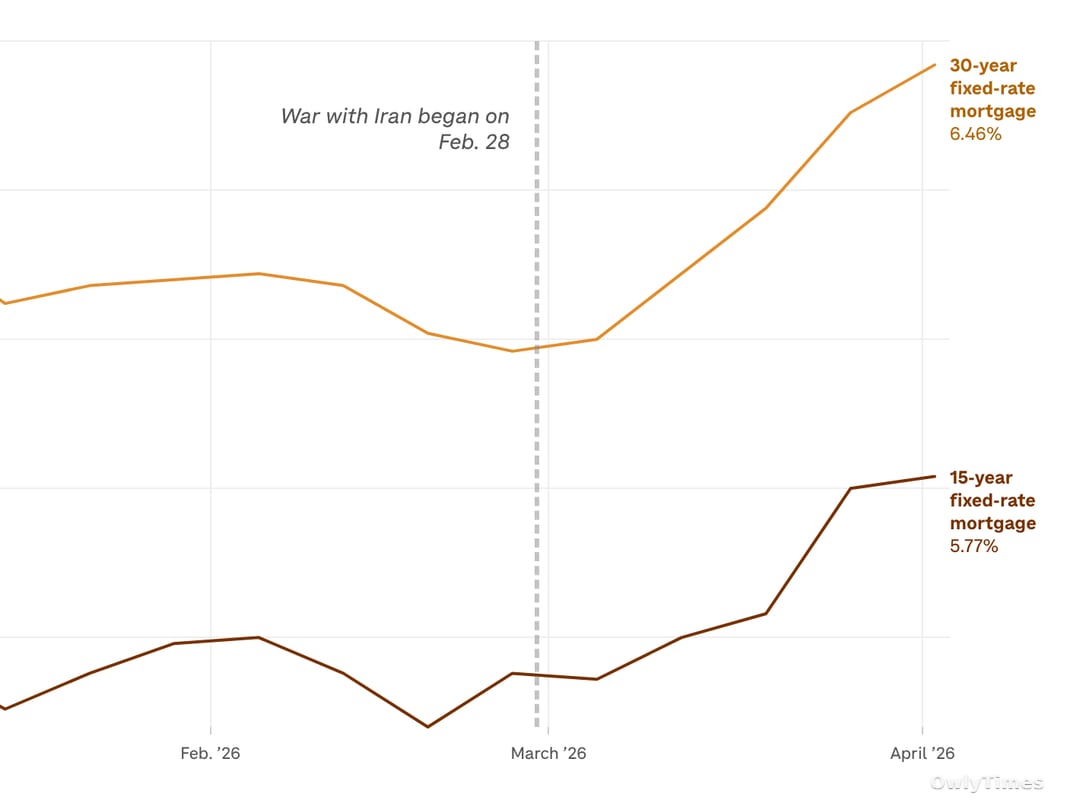
The disruptions don’t stop there. The war has driven up borrowing costs, pushing mortgage rates back up to nearly 6.5% after a brief dip below 6%. Even seemingly unrelated materials like sulfur, a key component in batteries and semiconductors, are facing supply constraints due to disruptions in oil refining – a process heavily reliant on passage through the Strait of Hormuz. And then there’s plastics. Oil isn’t just fuel; it’s the building block for petrochemicals and plastics, and the Persian Gulf is a critical supplier to Asian factories that produce a vast array of goods. Fritz O’Connor, CEO of an American manufacturing acquisition firm, predicts shortages of plastic pellets within months, leading to “rising material costs” across numerous industries. Restaurants in India are already closing their doors due to cooking gas shortages, a stark reminder that these aren’t abstract economic concerns – they’re impacting people’s livelihoods now.
The narrative being pushed is one of energy independence and localized solutions. But the reality is far more complex. We’ve built a globalized system predicated on just-in-time delivery and incredibly fragile supply chains. The war in Iran isn’t just a regional conflict; it’s a stress test revealing the deep vulnerabilities of that system. Expect to see more than just higher prices. In the next six to twelve months, watch for increased rationing of industrial materials, localized manufacturing booms as companies scramble to diversify supply, and a growing sense of unease as the true cost of this conflict becomes painfully clear – not in dollars and cents, but in the everyday things we simply can’t take for granted anymore.





