
Harvard’s Club Sports Face Funding Crisis: A Gala as Symptom and Solution
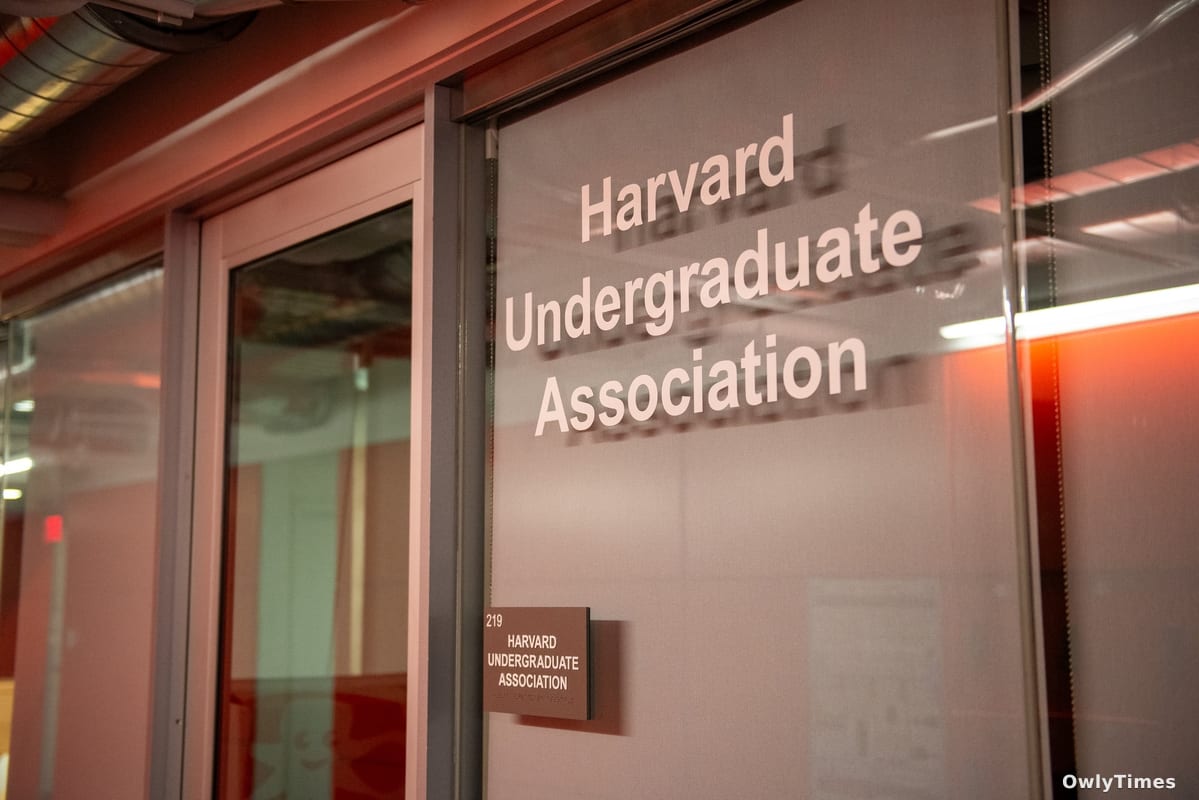
The recent $10,000 funding approval by the Harvard Undergraduate Association (HUA) for the “Echoes of Crimson” gala isn’t simply a story about a student event. It’s a stark indicator of a growing financial pressure on extracurricular life at one of the world’s wealthiest universities, and a revealing attempt to bridge the gap between institutional resources and student needs. While the gala, scheduled for March 5th in Annenberg Hall, aims to spotlight club sports and alleviate their financial strain, the very necessity of such an event speaks volumes about the limitations of current funding models and the increasing reliance on fundraising to sustain vital aspects of the student experience. This isn’t just about sports; it’s about the evolving social contract between Harvard and its students, and the increasing expectation that students themselves will participate in filling funding gaps.
Background & Context: A History of Underfunding and Evolving Priorities
The financial struggles of Harvard’s club sports aren’t new. For years, student organizations have navigated a competitive funding landscape, often facing limitations when requesting support for travel, equipment, and other essential expenses. As Caleb N. Thompson ’27, a HUA co-president, noted, the HUA’s budget frequently falls short of covering the full costs associated with club sports’ activities, particularly interstate travel. This situation is compounded by a broader trend in higher education: a shift in institutional priorities. While endowments may be substantial, a greater emphasis on research funding, faculty recruitment, and capital projects often leaves extracurricular activities comparatively under-resourced. The “Echoes of Crimson” gala, spearheaded by Jake A. Marino ’29 and Polina Krumkachev ’29, represents a proactive, student-led response to this long-standing issue. It’s a departure from simply requesting more funds from the HUA, and instead, a direct appeal to the broader Harvard community – alumni, parents, and faculty – to contribute. This represents a shift from reliance on institutional funding to a more diversified fundraising model.
Drawn from thecrimson.com.
The Strategic Appeal: Leveraging Nostalgia and Alumni Networks
The organizers of “Echoes of Crimson” are employing a sophisticated fundraising strategy. The event isn’t solely focused on direct donations; it’s designed to cultivate a sense of community and nostalgia, specifically targeting Harvard’s extensive and affluent alumni network. The inclusion of prominent a cappella groups, the Krokodiloes and Opportunes, is no accident. As Marino explicitly stated, these groups possess “prestigious alumni networks” that are likely to contribute generously. This tactic highlights a key understanding of alumni engagement: appealing to emotional connections and shared experiences is often more effective than simply requesting financial support. The event’s name itself, “Echoes of Crimson,” is deliberately evocative, aiming to trigger positive memories and reinforce a sense of belonging. Furthermore, the gala offers alumni an engagement opportunity outside of the traditional five-year reunion cycle, tapping into a desire for ongoing connection with the university. The $15 entry fee for non-affiliates and strategically placed QR codes linking to donation pages demonstrate a multi-pronged approach to maximizing revenue.
What This Means: Implications for Students, Alumni, and Harvard’s Future
The success of “Echoes of Crimson” – and the broader trend it represents – will have significant implications. For students, it could mean increased access to club sports and a more vibrant extracurricular life. However, it also raises questions about the equity of access. Will clubs with stronger alumni networks be better positioned to secure funding than those without? For alumni, the gala provides a new avenue for engagement and a tangible way to support current students. But it also subtly shifts the responsibility for funding extracurricular activities from the university to its graduates. For Harvard itself, the event serves as a test case for alternative funding models. If successful, it could pave the way for similar initiatives across other student organizations and departments. However, a reliance on fundraising also introduces a degree of uncertainty and potential vulnerability, as donations are not guaranteed. The HUA’s reliance on online donations, with a two-week window before and after the event, is a relatively short timeframe to generate substantial funds.
Looking Ahead: The Future of Funding at Harvard
The “Echoes of Crimson” gala is likely just the beginning of a broader conversation about funding extracurricular activities at Harvard. The university will need to assess the event’s success and consider whether to institutionalize similar fundraising initiatives. A key question is whether Harvard will increase its direct funding for club sports, or continue to rely on student-led and alumni-driven fundraising efforts. It’s also crucial to examine the equity implications of this approach, ensuring that all clubs have equal opportunities to secure funding. Furthermore, the university should investigate the root causes of the funding shortfall, exploring potential adjustments to its budget allocation process. The coming months will reveal whether “Echoes of Crimson” is a temporary fix or a harbinger of a more fundamental shift in how Harvard supports its vibrant – and increasingly financially independent – student community.

