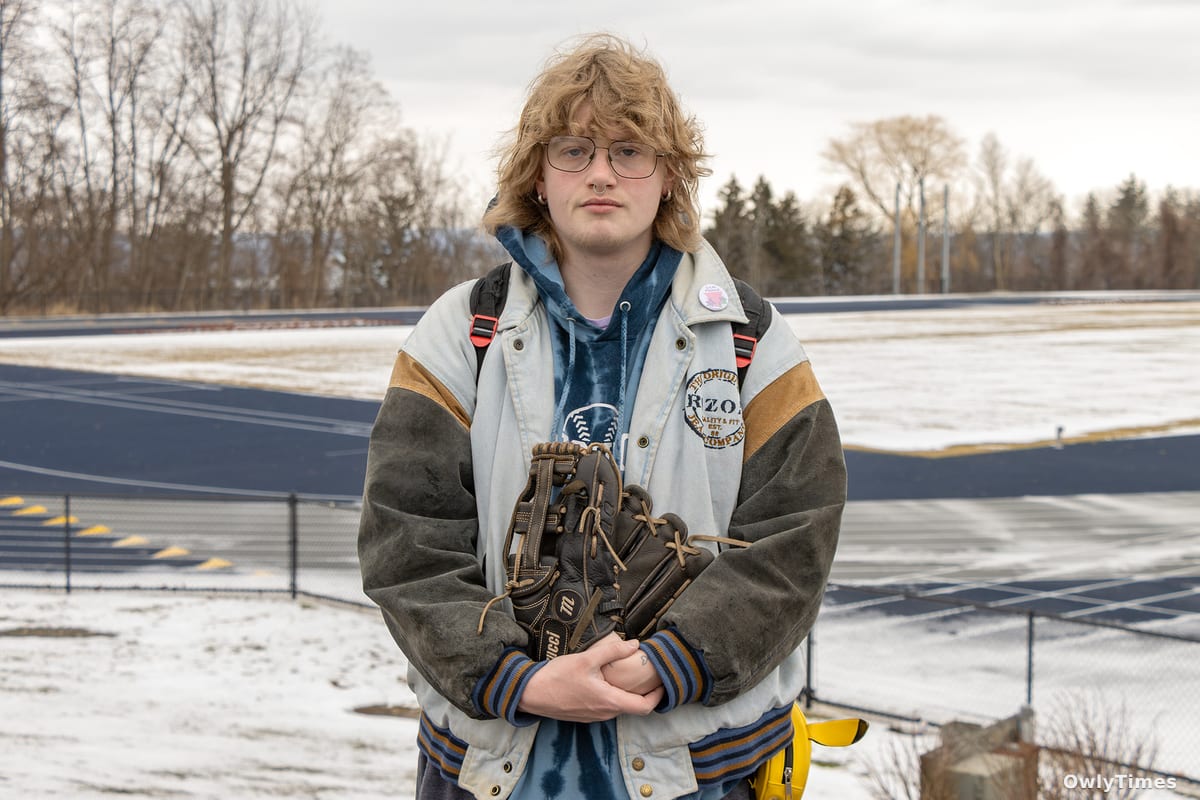

The chill of a February night in upstate New York isn’t usually what you associate with the crack of a softball bat. But for Marshall Long and the Ithaca College club softball team, it was the reality on February 16th. Instead of taking infield practice on a proper diamond, they were fielding ground balls between rows of fold-up tables, a last-minute scramble after an uncommunicated event bumped their scheduled time in the Athletics and Events Center. It’s a scene that speaks volumes, not just about the challenges facing this particular club team, but about a growing disconnect between the promises of a well-rounded college experience and the realities of funding and prioritizing student life.
Long, a senior politics major, isn’t just lamenting a scheduling mishap in a guest commentary for The Ithacan; he’s articulating a frustration felt across countless club sports programs nationwide. The story isn’t about softball, specifically. It’s about a quiet crisis in college athletics, where the explosive growth of varsity programs often leaves club teams – the very backbone of athletic participation for many students – scrambling for scraps. While Division I football and basketball programs rake in millions, and even Olympic sports receive significant investment, the clubs, often fueled by student fundraising and parental donations, are left to navigate a labyrinth of bureaucratic hurdles and dwindling resources. The Ithacan’s current fundraising goal of $4000 to cover website hosting and equipment costs underscores this precarious financial footing.
Drawn from theithacan.org.
The core of Long’s argument centers on access. The club softball team isn’t asking for preferential treatment, just equitable access to existing facilities. Kostrinsky Field, the on-campus softball field, remains largely inaccessible, locked behind what Long describes as an “administrative barrier.” The alternatives are bleak: fields booked months in advance, rentals costing $700 for just three games, or dilapidated fields an hour away. The team’s former practice field, Yavits Field, was recently replaced with a track – a clear signal of where the college’s priorities lie. This isn’t simply about convenience; it’s about safety. Practicing near Danby Road, with the constant threat of errant balls landing in traffic, is a testament to the lengths the team will go to just to play the game they love. The fact that practices now run from 9:30 to 10:45 p.m. speaks to a systemic undervaluing of these student athletes’ time and commitment.
Beyond the headlines of athletic department budgets and shiny new facilities, lies a story of community built on ingenuity and sacrifice. Long meticulously details the origins of the team’s equipment – a catcher’s mitt gifted by a former coach, tees donated by a grandmother, gloves passed down from alumni. These aren’t just sporting goods; they’re tangible links to the team’s history, imbued with the memories and support of generations of players and their families. The rise in club dues, from $50 to $80 a year, isn’t a minor adjustment; it’s a burden shifted onto students and their families, a direct consequence of institutional neglect. This reliance on personal contributions highlights a troubling trend: the increasing financialization of the college experience, where even extracurricular activities become another expense to be managed.
The revolving door of club athletic directors – three in the past four years – further exacerbates the problem. Institutional instability breeds inconsistency and a lack of advocacy for club sports. Without experienced leadership, these teams are left to navigate the administrative maze on their own, constantly fighting for resources and recognition. Long’s plea for access to Kostrinsky Field, even for a single day per semester, isn’t unreasonable. It’s a request for a symbolic gesture of support, a recognition that club sports are an integral part of the Ithaca College community. This situation isn’t unique to Ithaca College. It’s a microcosm of a larger issue facing universities across the country: how to balance the demands of high-profile athletics with the needs of a diverse student body. The question now is whether institutions will proactively address this imbalance, or continue to allow the heart of college sports – the passion, camaraderie, and community fostered by club teams – to slowly fade away. Will colleges begin to see club sports not as an afterthought, but as a vital component of a holistic educational experience, worthy of investment and support?