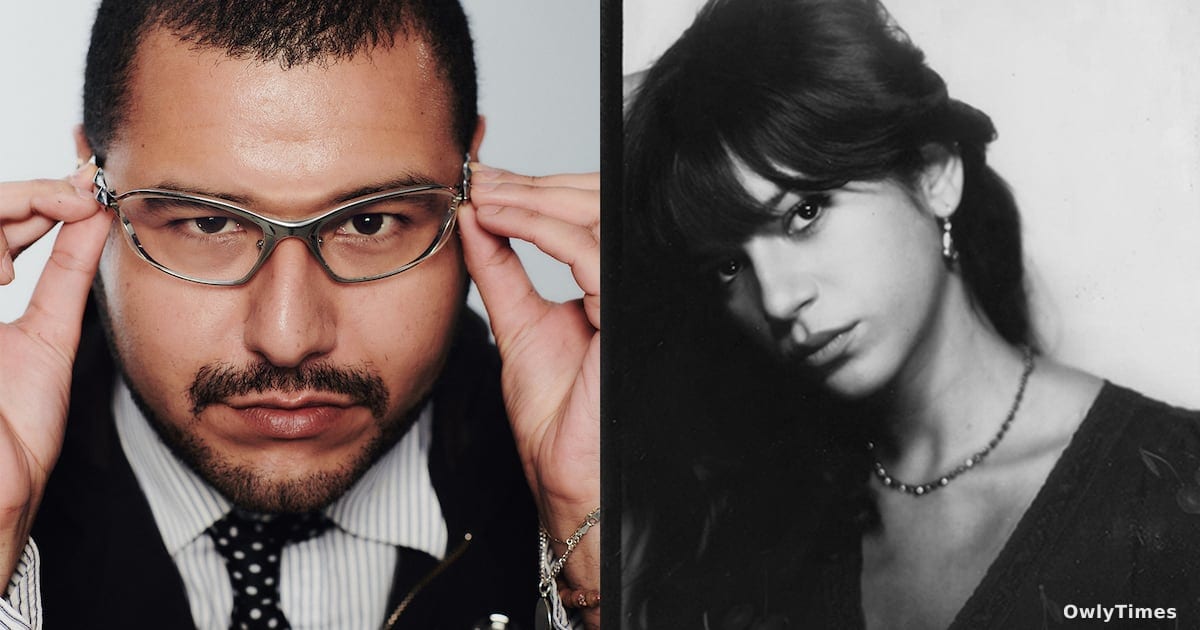

The chipped Formica table at the Lower East Side diner felt cold under my elbows, mirroring the chill that’s settled over the magazine industry. A young woman across from me, meticulously scrolling through TikTok, barely glanced at the glossy i-D magazine I’d brought, a recent relaunch issue featuring a deliberately blurry, hyper-stylized cover. It’s a scene playing out in cafes and bedrooms everywhere, and it underscores the monumental task facing the iconic British publication as it attempts to claw back relevance in a world obsessed with fleeting digital trends. This week, i-D announced two key appointments – Ernesto Macias as Global Entertainment Director and Ch’lita Collins as Fashion Editor at Large – moves that signal a very specific strategy for revival, one that’s about more than just chasing virality.
A New Guard for a Legacy Brand
The appointments of Macias and Collins aren’t simply about filling roles; they’re about recalibrating i-D’s cultural compass. Macias, arriving from GQ and Architectural Digest where he oversaw high-profile initiatives like the GQ Bowl and the “Men of the Year” issue since August 2023, brings a proven track record of talent wrangling and brand elevation. His focus will be on forging relationships across entertainment, fashion, and culture, a move that suggests i-D is aiming for a broader, more integrated approach to storytelling. This is a departure from the magazine’s earlier, more insular focus, and a recognition that cultural influence now demands cross-platform collaboration. The magazine’s parent company, Bedford Media, owned by Karlie Kloss, acquired i-D from Vice Media Group in November 2023, inheriting a brand in need of serious resuscitation. Print circulation had been declining for years, mirroring a wider industry trend – total US magazine circulation fell 12% in 2022, according to Statista – and i-D needed to redefine its purpose in a saturated digital landscape.
Beyond the Headlines: The Retention Game
What’s particularly interesting about these hires, and the broader strategy under Editor-in-Chief Thom Bettridge (who joined in September 2024), is the emphasis on retention over mere attention. As Bettridge recently told Imran Amed on The BoF Podcast, viral covers are “only sugar highs.” The industry is realizing that chasing fleeting moments of online fame isn’t a sustainable business model. i-D’s relaunch of its print publication on a biannual basis last March, coupled with these new appointments, suggests a deliberate attempt to cultivate a loyal readership – a community built around shared values and a consistent editorial voice. Collins, based in London, embodies this shift. Her background as a stylist and image consultant, with credits including work for Rosalía and Arena Homme + Magazine, speaks to a keen eye for emerging talent and a commitment to visual innovation. She’s not just about identifying the next “it” face; she’s about shaping the aesthetic landscape.
Drawn from businessoffashion.com.
The Shifting Sands of Youth Culture
The choice to bring on talent with experience at publications like GQ and Architectural Digest is also telling. These aren’t traditionally “youth” publications, yet i-D is clearly looking to broaden its appeal beyond its core demographic. This reflects a broader trend in youth culture itself: the lines between high and low, luxury and streetwear, are increasingly blurred. Gen Z, in particular, is less interested in rigid categorization and more interested in authenticity and self-expression. i-D has always prided itself on being a champion of subcultures, but it now needs to navigate a landscape where subcultures are constantly evolving and intersecting. The November 2023 appointments of Clare Byrn as Global Fashion Director and Marcelo Gutierrez as Global Beauty Editor were early signals of this broadening scope, but Macias and Collins represent a further deepening of that commitment.
What This Means for the Future of Magazine Identity
The success of i-D’s turnaround will hinge on its ability to balance its legacy as a counter-cultural tastemaker with the demands of a commercially viable media landscape. Can a magazine that once defined alternative style and music find a new voice that resonates with a generation that consumes content in bite-sized pieces? The appointments of Macias and Collins are a bold bet, a signal that i-D is willing to take risks and challenge conventional wisdom. But the real test will be whether they can build a sustainable community around their vision, and whether they can prove that a magazine, even in the age of TikTok, can still be a powerful force in shaping culture. Will i-D become a bellwether for other legacy publications struggling to adapt, or will it become another cautionary tale of a brand lost in the digital noise? That’s the question the industry will be watching closely.