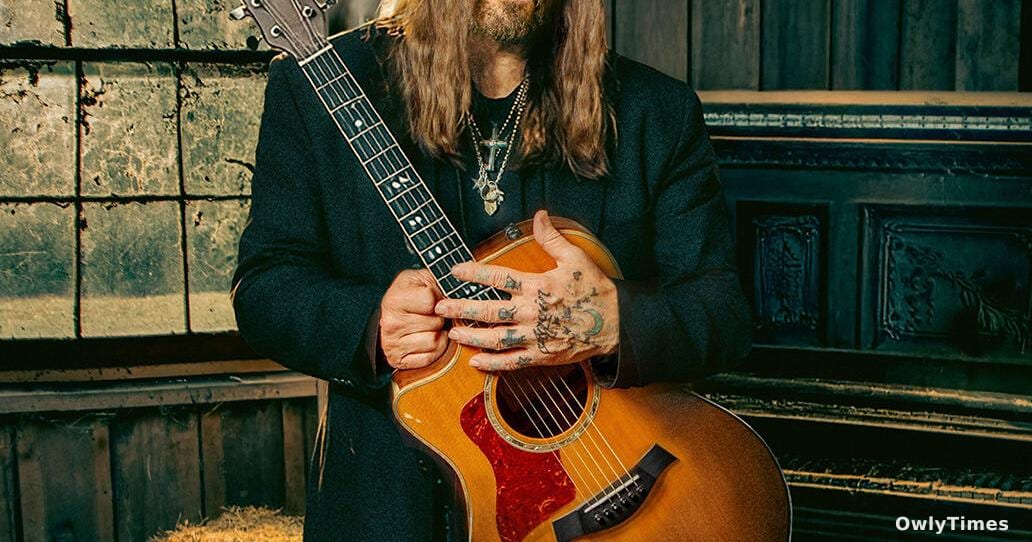

The neon glow of the Hard Rock Hotel & Casino Tulsa promises a Thursday night spectacle, but beyond the flashing lights and the promise of a live show, Billy Ray Cyrus’s upcoming performance on June 18th feels like a cultural checkpoint. It’s not just a concert; it’s a testament to an artist who has consistently defied genre and expectation, a man who’s soundtracked decades of American life, from the line dancing craze of the 90s to the TikTok-fueled phenomenon of “Old Town Road.” Tickets, starting at $39.50 and going on sale March 20th, are more than just entry to a show—they’re a purchase into a living, breathing piece of pop culture history.
From "Achy Breaky Heart" to Diamond Records: A Career Defined by Reinvention
The year was 1992. Grunge was dominating the airwaves, flannel was the uniform of choice, and then, seemingly out of nowhere, “Achy Breaky Heart” exploded. Billy Ray Cyrus’s debut album, Some Gave All, didn’t just enter the Billboard 200 at number one; it stayed there for a staggering 17 consecutive weeks. That’s a record that still stands, a testament to the song’s unprecedented cultural impact. It wasn’t just a hit in the US; “Achy Breaky Heart” achieved triple-platinum certification in Australia, a first for any song, demonstrating the global reach of a seemingly simple country tune. This wasn’t just about music; it was about a moment when rural America, and its associated aesthetics, briefly commandeered the mainstream.
The Unexpected Power of Collaboration: "Old Town Road" and Genre-Bending
While the 90s cemented Cyrus’s place in country music history, his resurgence in 2019 with “Old Town Road” alongside Lil Nas X proved his ability to adapt and innovate. The track, a genre-bending fusion of country and trap, shattered records, becoming the longest-running number one song in Billboard Hot 100 history. Certified 14-time RIAA diamond, it wasn’t just a commercial success; it sparked a national conversation about genre boundaries, cultural appropriation, and the evolving landscape of music consumption. The collaboration itself was a masterstroke, pairing a seasoned performer with a rising star, and demonstrating the power of unexpected partnerships in a rapidly changing industry.
This article draws on reporting from cherokeephoenix.org.
Beyond the Music: Philanthropy and a Legacy of Service
Billy Ray Cyrus’s impact extends beyond the recording studio and concert stages. He’s consistently used his platform to support U.S. service members, veterans, and first responders, engaging in charitable work and advocacy. This commitment to service, often overshadowed by his musical achievements, reveals a deeper understanding of his role as a public figure. It’s a reminder that celebrity can be a powerful force for good, and that visibility can be leveraged to amplify important causes. The consistent support for those who serve speaks to a core value system that resonates with a broad audience, further solidifying his enduring appeal.
What This Means for the Future of Cross-Genre Appeal
Cyrus’s career trajectory—from country superstar to unlikely hip-hop collaborator—highlights a crucial shift in the music industry. The rigid genre classifications of the past are increasingly irrelevant in an era of streaming and social media, where listeners curate their own personalized playlists, blending styles and defying traditional boundaries. His Tulsa performance, and the continued demand for his music, suggests that audiences are hungry for artists who are willing to experiment, to collaborate, and to transcend the limitations of genre. The question now is: will other established artists follow Cyrus’s lead, embracing cross-genre collaborations and pushing the boundaries of musical expression, or will the industry revert to more predictable formulas?