
Beyond Condolences: India’s UAE Response Signals a Shift in Regional Strategy
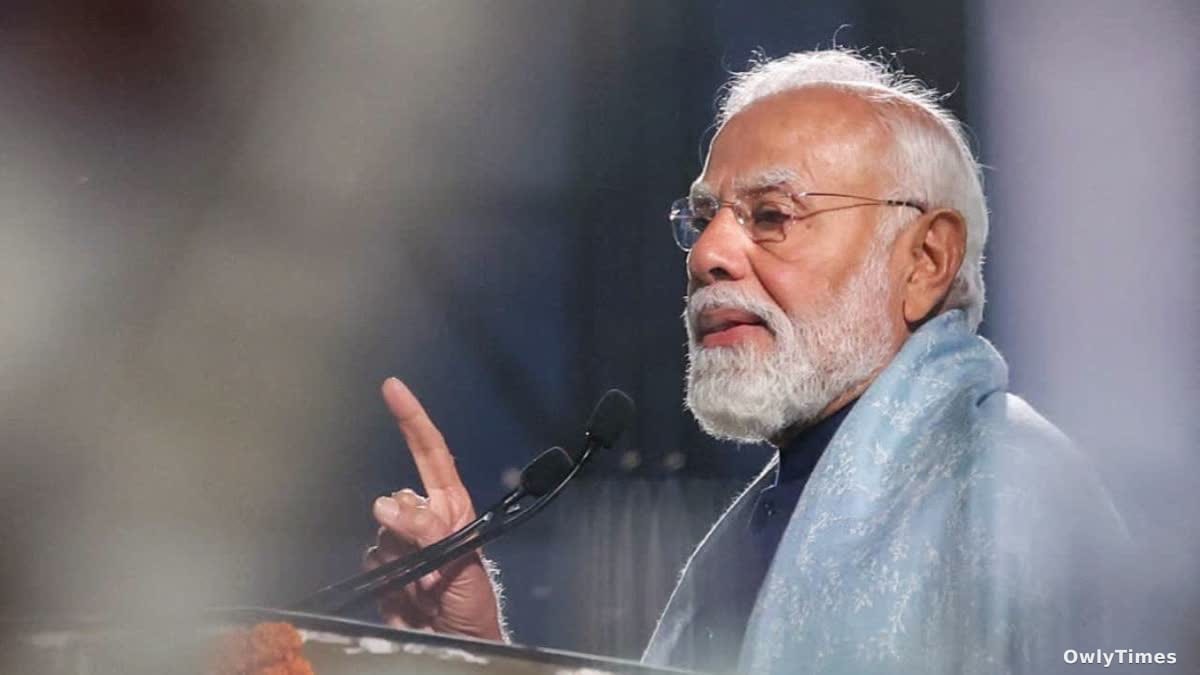
The speed and directness of Prime Minister Narendra Modi’s condemnation of the attacks on the United Arab Emirates – a phone call to Sheikh Mohamed bin Zayed Al Nahyan late Sunday night, coupled with a public statement on X – isn’t simply a gesture of solidarity. It’s a calculated move to reinforce India’s strategic alignment with the UAE amidst a rapidly escalating conflict, and a signal of New Delhi’s evolving role as a regional security stakeholder. The timing, following the confirmed death of Iranian Supreme Leader Ayatollah Ali Khamenei in a US-Israeli strike, and the subsequent Iranian retaliation, reveals a proactive positioning rather than a reactive one. India isn’t merely expressing concern; it’s actively choosing a side in a conflict with potentially global ramifications.
The Calculus of Protecting Indian Interests
The immediate concern, publicly stated by Modi, is the safety of the Indian community in the UAE. With one Indian national already reported injured, and 58 total casualties across the UAE from the Iranian strikes, this is a legitimate priority. However, framing the response solely around citizen safety obscures the deeper strategic calculations. The UAE intercepted a staggering 165 ballistic missiles, destroying 152 and accounting for the remaining 13, alongside 541 drones, 506 of which were shot down. This demonstrates the UAE’s vulnerability, and by extension, the potential disruption to crucial trade routes and energy supplies that flow through the region – routes India heavily relies upon. India imports approximately 85% of its oil needs, with the UAE being a significant supplier, accounting for around 18% of total imports in 2024. A destabilized UAE directly threatens India’s energy security and economic growth.
Reporting from etvbharat.com informs this analysis.
Historical Echoes of Non-Alignment and Emerging Partnerships
India’s current position presents a fascinating contrast to its historical stance of non-alignment during the Cold War. While officially maintaining neutrality, Modi’s government is demonstrably leaning towards a security partnership with the UAE, and by extension, with the US and Israel. This isn’t a complete abandonment of non-alignment, but a pragmatic adaptation. The original doctrine was designed to avoid entanglement in superpower conflicts; the current situation involves a regional power – Iran – directly threatening a key Indian partner. The parallel to the 1990-91 Gulf War is instructive. India provided logistical support to the US-led coalition while publicly maintaining a neutral stance, prioritizing the safety of its citizens and the stability of oil supplies. Today, the approach is more assertive, with a clear public condemnation of the aggressor and a stated commitment to regional stability.
Who Benefits and Who Loses in New Delhi’s Response?
Sheikh Mohamed bin Zayed Al Nahyan and the UAE government are the clear beneficiaries of India’s strong statement. It provides political and diplomatic backing during a period of intense pressure. The US and Israel also benefit, as India’s alignment reinforces the emerging security architecture in the region. Conversely, Iran is the immediate loser, facing increased international isolation. However, within India, the response isn’t without potential downsides. Maintaining a strong stance against Iran could complicate India’s existing economic ties with Tehran, including the development of the Chabahar port, a crucial element of the India-Middle East-Europe Economic Corridor (IMEC) – an agreement recently inked during Modi’s visit to the UAE. Balancing these competing interests will be a key challenge for New Delhi. The domestic political implications are minimal; public opinion generally favors a strong stance against aggression, particularly when Indian citizens are affected.
The Next Move: Will India Offer Material Support to the UAE?
The critical question now is whether India’s solidarity will extend beyond diplomatic statements. Will New Delhi offer material support to the UAE – intelligence sharing, logistical assistance, or even defensive capabilities? While a direct military intervention is highly unlikely, a more subtle form of assistance, such as providing advanced radar technology or strengthening cybersecurity cooperation, is plausible. The next 72 hours will be crucial in determining whether this is a purely rhetorical alignment, or the beginning of a deeper, more tangible security partnership. Watch for any announcements regarding high-level defense consultations between India and the UAE, and any shifts in India’s naval deployments in the Arabian Sea. These will be the clearest indicators of India’s next strategic chess move.





