
The Calculus of Escalation: Remaking the Regional Order
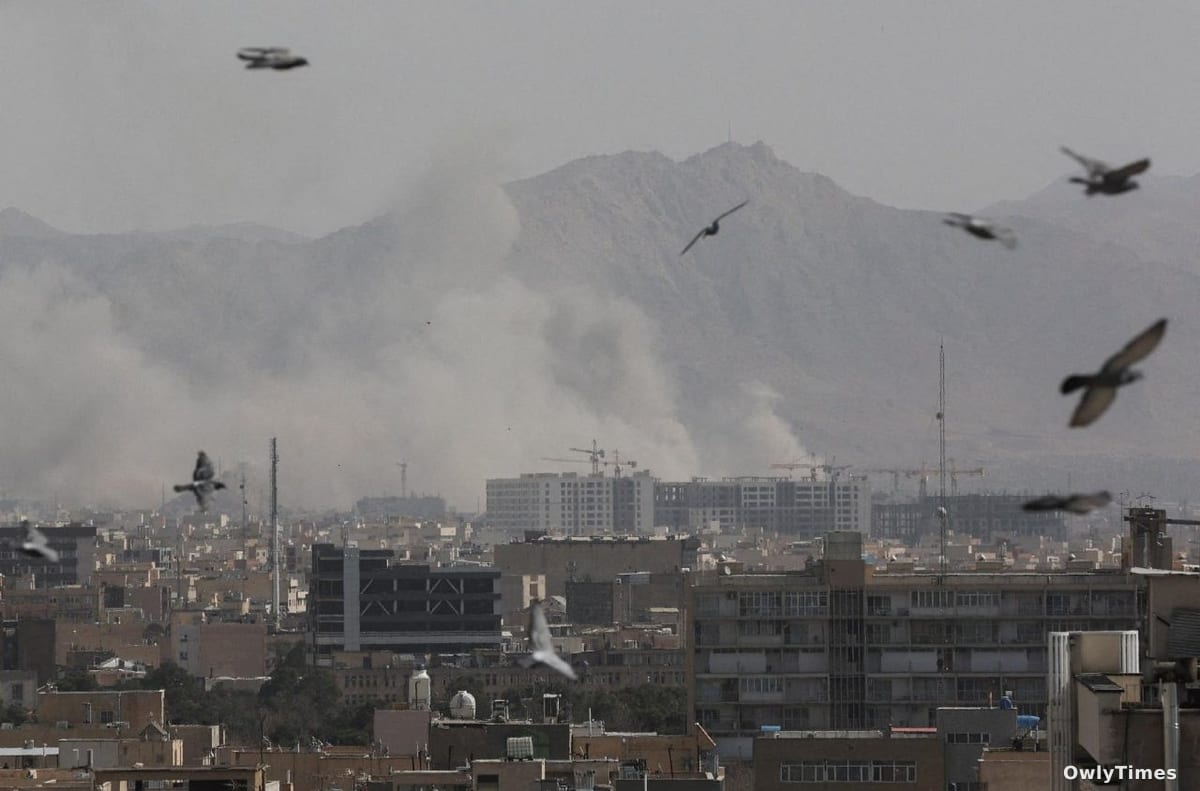
The coordinated strikes by Israel and the United States against Iran this weekend weren’t a spontaneous reaction to Iranian nuclear ambitions, but a calculated gamble to reshape the power dynamics of the Middle East. While framed as pressure on Tehran to return to nuclear negotiations, the targeting of the office of Iran’s Supreme Leader and the presidential compound signals a willingness to directly challenge the legitimacy of the current Iranian regime – a move far exceeding previous, more deniable operations. This isn’t simply about a nuclear deal; it’s about signaling a red line regarding Iran’s regional influence and, crucially, testing the limits of Iranian retaliation. The timing, coinciding with public dissatisfaction within Iran and a perceived weakening of the regime’s grip, suggests a belief that internal instability could be catalyzed.
Who Stands to Gain, and Who Faces Exposure?
The immediate beneficiaries of this escalation are, predictably, Israel and the Trump administration. For Israel, a direct strike against Iranian leadership offers a perceived security benefit, aiming to dismantle capabilities it views as existential threats – namely, Iran’s ballistic missile program and support for proxy groups like Hezbollah. The strikes also serve a domestic political purpose for Prime Minister Netanyahu, bolstering his image as a strong defender of Israeli security amidst ongoing legal challenges. For President Trump, the move allows him to project an image of strength and resolve on the international stage, fulfilling a campaign promise to take a hard line against Iran. However, the potential losers are far more numerous. Iran, facing a direct assault on its sovereignty, is compelled to respond, risking a wider regional conflict. Neighboring states – Qatar, the United Arab Emirates, Bahrain, and Kuwait, already experiencing the fallout of retaliatory strikes – are caught in the crossfire. And the global economy, already reeling from pandemic-related disruptions, faces the prospect of oil price shocks and supply chain instability.
Original reporting: vaticannews.va.
Echoes of 1953: Regime Change as a Strategic Objective
The overt call by President Trump for Iranians to “take over” their government is not a rhetorical flourish, but a deliberate invocation of historical precedent. It directly echoes the 1953 Iranian coup d'état, orchestrated by the CIA and MI6 to overthrow Prime Minister Mohammad Mosaddegh and restore the Shah to power. That operation, similarly justified by concerns over foreign influence and regional stability, ultimately sowed decades of resentment and anti-American sentiment within Iran. The current administration appears to be betting that a similar outcome – a regime change favorable to U.S. and Israeli interests – is achievable, despite the vastly different geopolitical landscape. The key difference, and a significant risk, is the Iranian military’s capacity for asymmetric warfare and its network of regional proxies, which were not factors in 1953. The $173.4 billion Iranian economy (2022 figures) is already under significant strain from sanctions, but a full-scale conflict could trigger a collapse, creating a humanitarian crisis and potentially destabilizing the entire region.
The UN’s Limited Leverage and the Question of Collective Security
Iran’s appeal to the United Nations and the Security Council is largely symbolic. The U.S., as a permanent member with veto power, will effectively shield both itself and Israel from any meaningful Security Council resolution condemning the strikes. This highlights the inherent limitations of the UN in addressing conflicts involving powerful states acting in perceived self-defense. The Iranian Foreign Ministry’s condemnation of the attacks as “criminal” and a violation of sovereignty is standard diplomatic rhetoric, but it underscores the fundamental challenge to the international order: the selective application of principles like territorial integrity and non-interference. The fact that explosions were reported in multiple Gulf states, even if resulting from Iranian retaliation, demonstrates the rapid escalation and the potential for a broader conflagration. The current situation exposes the fragility of regional security arrangements and the limited capacity of international institutions to prevent conflict.
The Next Move: Monitoring Iranian Red Lines
The immediate political chess move to watch isn’t whether Iran will retaliate – that is almost certain – but how and where. Will Iran limit its response to further strikes against U.S. and Israeli assets in the region, or will it escalate by targeting civilian infrastructure or attempting to disrupt oil shipments through the Strait of Hormuz? The critical indicator will be whether Iran directly attacks U.S. soil, a move that would trigger a far more devastating response. Equally important is monitoring the internal dynamics within Iran. Will the strikes galvanize support for the regime, or will they exacerbate existing discontent and fuel further protests? President Trump’s continued rhetoric, specifically any further encouragement of regime change, will be a key signal of the administration’s intentions. The question isn’t simply whether negotiations will resume, but whether the U.S. is actively seeking to dismantle the current Iranian government, and what risks it is willing to accept to achieve that outcome.





