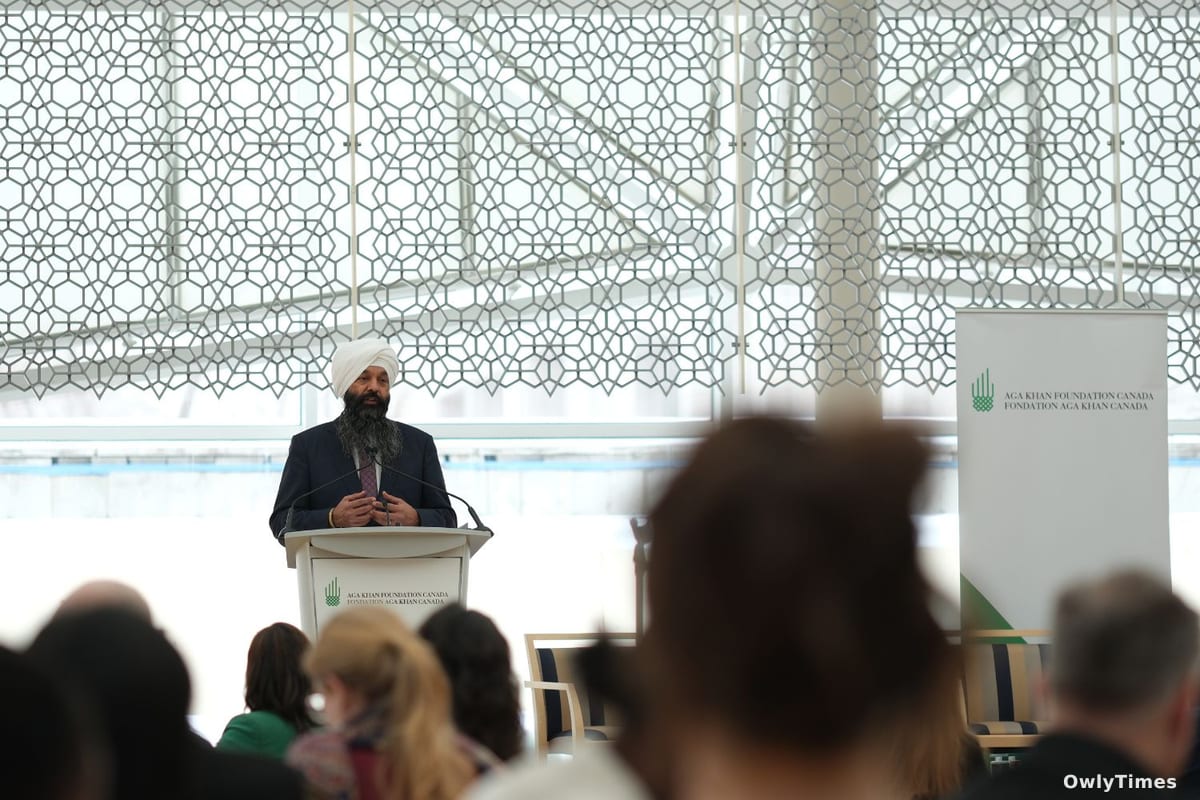

The persistent challenge of translating environmental ambition into tangible action took center stage in Ottawa this February, but the conversation wasn’t focused on if Nature-based Solutions (NbS) work, but rather how to reliably fund and implement them at scale. While headlines often trumpet the potential of NbS – projects leveraging natural ecosystems for climate resilience and biodiversity – a gathering hosted by the Aga Khan Foundation Canada (AKFC) during International Development Week 2026 revealed a more nuanced reality: unlocking investment requires a fundamental shift in how we value, measure, and govern these initiatives. The event, bringing together climate practitioners, Indigenous leaders, investors, and policymakers, underscored that simply acknowledging the importance of nature isn’t enough; credible evidence, equitable partnerships, and innovative financial mechanisms are paramount.
The core of the discussion revolved around the evolving landscape of climate finance. Jason Taylor, Founder and CEO of Climate Finance Advisors, highlighted a growing trend toward integrated approaches recognizing the interconnectedness of climate resilience, biodiversity, and sustainable development. However, he cautioned that investor interest, while increasing, is contingent on robust metrics and transparent governance. The emphasis wasn’t on finding more money, but on demonstrating a clear return on investment – a return that extends beyond purely financial gains to encompass ecological and social benefits. This is where blended finance models, utilizing public or philanthropic funds to de-risk projects and attract private capital, emerged as a key strategy. The IUCN’s Global Ecosystem-based Adaptation Fund (Global EbA Fund), co-managed with UNEP, exemplifies this approach, supporting over 50 projects globally and demonstrating how adaptation investments can yield both ecological and economic returns, such as sustainable shrimp value chains.
This article draws on reporting from iucn.org.
The conversation then turned to the specific challenges within Canada, focusing on forest-carbon initiatives. Trevor Jones and Jane Boles of Tayo Climate Partners explored the potential of ecosystem service valuation and carbon markets to generate new revenue streams. However, they also acknowledged the significant hurdles surrounding accurate measurement, verification of carbon sequestration, and ensuring long-term safeguards against reversal – a critical point often glossed over in optimistic reporting. The takeaway wasn’t that carbon markets are a panacea, but that their success hinges on alignment with broader policy goals, robust biodiversity indicators, and, crucially, community safeguards. This highlights a tension: the desire for rapid scaling often clashes with the need for meticulous monitoring and equitable benefit-sharing.
Beyond finance, the event powerfully demonstrated the critical role of marine ecosystems and the importance of grounding solutions in practical application. Jennifer O’Neill, Cascadia Seaweed NbS Director and partner of the COSME project, presented a compelling case for seaweed cultivation, showcasing its potential for carbon sequestration, biodiversity restoration, and coastal livelihoods. However, she stressed that realizing this potential requires careful consideration of ecological limits and strong community partnerships. This exemplifies a broader theme: nature-positive enterprises can be commercially viable, but scaling them demands clear market demand, technical support, and inclusive value chains. The COSME project, and others like it, are proving the concept, but widespread adoption requires overcoming logistical hurdles and building robust supply chains.
Perhaps the most significant shift in perspective came with the afternoon’s focus on Indigenous leadership. Moderated by Indigenous advisor Peigi Wilson, the panel underscored that effective climate adaptation isn’t about doing things to Indigenous communities, but rather doing things with them, guided by their knowledge systems and prioritizing their self-determination. The presentation of the PODONG Indigenous Peoples Initiative, a globally governed and led mechanism, signaled a move towards direct investment in Indigenous organizations and recognition of traditional knowledge as essential for equitable and durable solutions. Anita Tzec, Maya Yucatec leader and IUCN Senior Programme Manager, emphasized the urgency of this shift, arguing that inclusive governance isn’t merely a safeguard, but a driver of effectiveness. Projects rooted in Indigenous knowledge often deliver stronger biodiversity outcomes and more durable adaptation benefits, challenging the conventional top-down approach to conservation.
The event concluded with “Integration Labs,” where participants collaboratively designed pathways to scale NbS, focusing on blended finance, community finance, and private sector engagement. The resulting priority actions and collaboration opportunities represent a tangible roadmap for 2026 and beyond. However, a crucial question remains: how will these collaborative efforts translate into concrete policy changes and increased funding flows? Will governments and investors prioritize long-term ecological and social benefits over short-term economic gains? The success of NbS ultimately depends on whether we can move beyond simply recognizing their potential and actively create the conditions for their widespread, equitable, and sustainable implementation. Watch for the development of standardized metrics for measuring the impact of NbS projects – and, critically, who gets to define those metrics. The answer will reveal whether this momentum truly represents a paradigm shift, or simply another wave of well-intentioned but ultimately insufficient promises.




