
Reopening the Air Corridor: Tehran and Ankara Signal a Shift in Economic Alignment
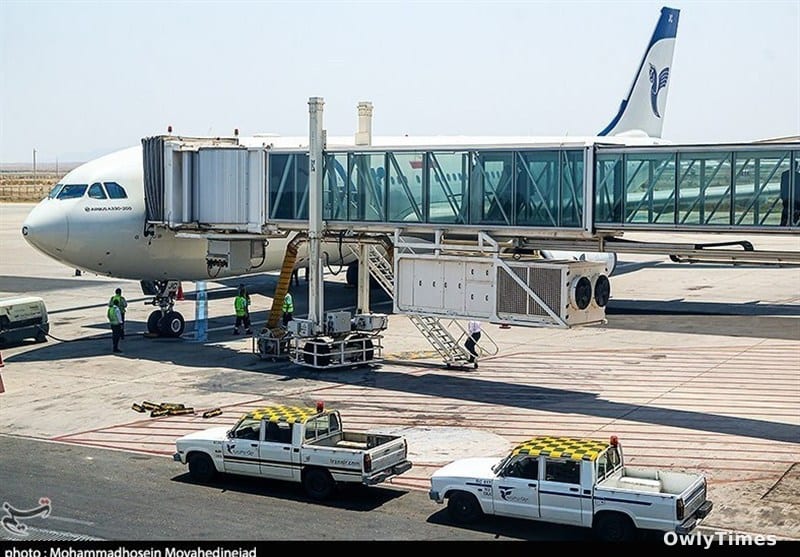
The resumption of direct flights between Tehran and Istanbul, commencing February 3rd, isn’t simply a restoration of travel convenience; it’s a calculated move by both Iran and Turkey to circumvent escalating financial and logistical barriers imposed by Western sanctions and geopolitical pressure. The December 7, 2025 suspension, officially attributed to payment system disruptions and ground handling issues at Istanbul Airport, was a direct consequence of tightened enforcement of sanctions targeting Iran’s access to international financial networks. Re-establishing this air link, despite those obstacles remaining largely unaddressed, signals a willingness to accept increased risk – and potentially, increased cost – to maintain vital economic ties. This isn’t about passenger volume, though the planned 2,000 seats across eight weekly flights will undoubtedly be filled; it’s about signaling a commitment to parallel trade systems and a defiance of unilateral sanctions regimes.
The Payment Problem and the Turkish Solution
The crux of the issue lies in the inability of Iran Air to reliably process payments for services in Turkey. Following increased scrutiny from the US Treasury Department, Turkish banks became increasingly hesitant to facilitate transactions involving Iranian entities, fearing secondary sanctions. The stated problems with ground handling at Istanbul Airport were almost certainly a secondary effect – a logistical bottleneck created by the financial freeze. The resumption of flights suggests a workaround has been established, likely involving barter arrangements, the use of smaller, less-scrutinized financial institutions, or a dedicated payment channel agreed upon by Tehran and Ankara. This is a significant development, as Turkey has historically walked a tightrope between maintaining its NATO alliance and fostering economic relations with Iran. The willingness to actively facilitate circumvention, even implicitly, represents a notable shift in Turkey’s risk tolerance.
Source material: tasnimnews.ir.
Historical Echoes: Neutral Routes and Sanctions Busting
This situation bears a striking resemblance to historical precedents, specifically the neutral trade routes established during the Cold War. Countries like Sweden and Switzerland served as crucial intermediaries, facilitating trade between the Eastern and Western blocs despite ideological and political barriers. Similarly, during the Iran-Iraq War in the 1980s, Turkey became a key transit point for goods destined for Iran, often circumventing US-imposed restrictions. The current scenario isn’t about neutrality, but about a deliberate attempt by two regional powers to create an alternative economic space, less reliant on Western financial dominance. The 500 seats per round-trip flight, while seemingly modest, represent a crucial artery for the flow of goods, capital, and potentially, dual-use technologies. It’s a volume designed to sustain trade, not maximize profit.
Who Benefits and Who Loses in This New Alignment?
The immediate beneficiaries are Iranian businesses seeking access to Turkish markets and vice versa. Iran gains a vital outlet for its exports, particularly petrochemicals and agricultural products, while Turkey secures access to Iranian energy resources and a growing consumer base. However, the long-term implications are far more complex. Washington is the clear loser, as the move undermines its sanctions regime and demonstrates the limitations of unilateral pressure. European powers, while publicly maintaining support for the sanctions, are likely privately concerned about the erosion of their own economic influence in the region. Within Turkey, the move strengthens the hand of President Recep Tayyip Erdoğan, allowing him to portray himself as a champion of regional autonomy and a defender of Turkish economic interests. However, it also risks further straining relations with the US and potentially triggering retaliatory measures.
The Next Flight Path: Istanbul as a Regional Hub
The critical political chess move to watch next isn’t further expansion of Iran Air’s flight schedule, but rather the response from the US Treasury Department. Will Washington attempt to directly sanction Turkish entities involved in facilitating the payment workarounds? Or will it adopt a more subtle approach, increasing pressure on Turkish banks and financial institutions? More importantly, will other regional players – Iraq, Qatar, even Pakistan – follow suit and seek to establish similar alternative payment and logistical channels with Iran? The success of this Iranian-Turkish initiative hinges on its ability to attract wider regional participation, effectively transforming Istanbul into a sanctions-busting hub. The coming weeks will reveal whether this is a localized workaround or the opening salvo in a broader challenge to the existing international financial order.