
The Calculus of Retaliation: Iran’s Strike and the Shifting Regional Order
The direct, unprecedented missile and drone attack by Iran on Israel on March 2nd, 2026, wasn’t a spontaneous act of aggression, but a meticulously calculated response designed to restore a perceived balance of power in the Middle East. For years, Iran has operated through proxy forces – Hezbollah in Lebanon, militias in Iraq and Syria, and the Houthis in Yemen – to exert influence without triggering a direct confrontation with Israel and its primary backer, the United States. The alleged Israeli strike on the Iranian consulate in Damascus on February 29th, which killed several Iranian officials including senior Islamic Revolutionary Guard Corps (IRGC) commander Mohammad Reza Zahedi, fundamentally altered that calculus. Iran’s response wasn’t about the consulate itself, but about signaling a red line: direct attacks on Iranian personnel, even operating abroad, would be met with direct retaliation. This is a dangerous escalation, but one rooted in a rational, if destabilizing, strategic logic.
Drawn from tbsnews.net.
Damage Assessment and the Narrative Control Battle
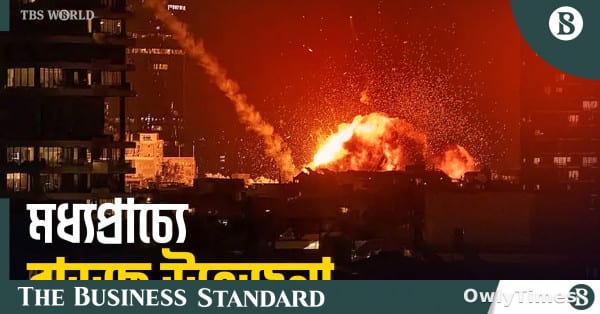
Reports indicate Iranian missiles struck Jerusalem and Beit Shemesh, while explosions were also reported in Tehran. The immediate aftermath is dominated by competing narratives. Israeli officials are downplaying the extent of the damage, emphasizing the success of their air defense systems – a joint effort with the United States, United Kingdom, and Jordan – in intercepting the vast majority of incoming projectiles. This messaging is crucial for maintaining domestic confidence and deterring further escalation. However, the fact that missiles reached Israeli territory, bypassing multiple layers of defense, is a significant symbolic and strategic victory for Iran. The damage, while reportedly limited to a handful of sites, including a military base in the Negev desert, is less important than the demonstration of capability. This echoes the Soviet Union’s Sputnik launch in 1957; the satellite itself wasn’t a major military threat, but the demonstration of technological prowess fundamentally shifted the Cold War dynamic.
Who Benefits and Who Loses in the Immediate Aftermath?
The immediate beneficiaries of this escalation are hardliners within both Iran and Israel. In Iran, the attack allows the regime to consolidate domestic support and project an image of strength, diverting attention from ongoing economic woes and internal dissent. For Israeli Prime Minister Benjamin Netanyahu, facing plummeting approval ratings and accusations of political maneuvering, the attack provides a rallying point and a justification for continued military action. The losers are regional stability, diplomatic efforts, and potentially, the global economy. A wider conflict could disrupt oil supplies, triggering a price shock, and exacerbate existing geopolitical tensions. The United States finds itself in a precarious position, attempting to de-escalate the situation while simultaneously reaffirming its commitment to Israel’s security. This balancing act is complicated by the upcoming US presidential election, with both candidates facing pressure to project strength and resolve.
Historical Echoes: Suez and the Limits of Deterrence
The current situation bears a striking resemblance to the 1956 Suez Crisis. In that instance, Egypt’s nationalization of the Suez Canal prompted a coordinated military response from Israel, France, and the United Kingdom. While initially successful, the intervention ultimately failed due to international pressure, particularly from the United States and the Soviet Union. The Suez Crisis demonstrated the limits of unilateral military action and the importance of maintaining international legitimacy. Similarly, Israel’s response to Iran’s attack will be constrained by the need to avoid a wider regional war and maintain the support of its allies. The key difference, however, is the direct involvement of Iran, a far more formidable adversary than Egypt in 1956. The historical precedent suggests that a purely military solution is unlikely and that a negotiated settlement, however difficult, will ultimately be necessary.
The Next Chess Move: Hezbollah’s Role and the Lebanese Front
The most critical political chess move to watch is Hezbollah’s next action. While Iran’s attack was a direct response to the Damascus strike, Hezbollah’s claimed attack on Haifa and the subsequent Israeli airstrikes on Beirut and Dahiyeh signal the potential for a second, more protracted front in this conflict. Israel has repeatedly warned that it will respond forcefully to any attacks from Hezbollah. The question isn’t if Israel will retaliate, but how and to what extent. A full-scale ground invasion of Lebanon would be a highly risky undertaking, potentially drawing in other regional actors and triggering a wider war. However, a limited incursion, aimed at dismantling Hezbollah’s infrastructure, remains a distinct possibility. The coming days will reveal whether Hezbollah’s actions are intended to escalate the conflict or to serve as a deterrent, and whether Israel will choose to respond with restraint or escalation. The fate of Lebanon, and potentially the entire region, hangs in the balance.





