
The calculated risk taken by the United States and Israel in directly striking Iranian soil wasn’t about immediate nuclear disarmament, but about recalibrating the power dynamic in the Middle East – a demonstration of reach and resolve intended to force a renegotiation of regional influence. The strikes, culminating in the reported death of Supreme Leader Ayatollah Ali Khamenei, were a high-stakes gamble predicated on the belief that Iran’s escalating proxy warfare and nuclear ambitions demanded a demonstrably painful response. This wasn’t a preventative strike in the traditional sense; it was a coercive one, designed to shatter the perception of Iranian impunity and force a reassessment of its strategic calculations.
The Anatomy of Escalation: Who Gains, Who Loses?
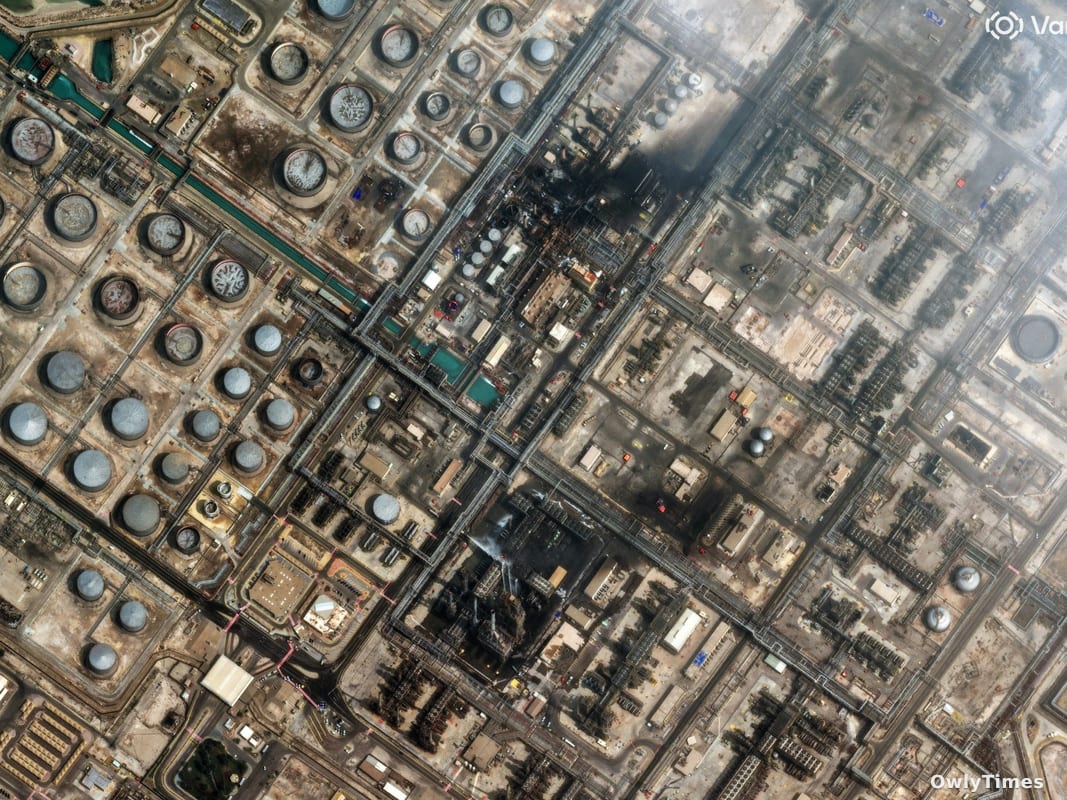
The immediate beneficiaries of this escalation are, paradoxically, elements within the Israeli government seeking to solidify domestic support and demonstrate strength. Prime Minister Benjamin Netanyahu, facing internal dissent and legal challenges, has framed the operation as a necessary defense against an existential threat, potentially bolstering his political standing. The US, under President Trump, gains a narrative of decisive action against a perceived adversary, fulfilling campaign promises and appealing to a domestic base wary of Iranian influence. However, the costs are rapidly mounting. The death of 787 people in Iran, including the Supreme Leader, and the reported deaths of six US service members, signal a widening conflict with unpredictable consequences. Qatar, caught in the crossfire with attacks on Al Udeid Air Base and the halting of LNG production, stands to lose significantly, as does the global energy market. The shutdown of QatarEnergy, the world’s largest LNG producer, immediately introduces volatility into a sector already strained by geopolitical factors.
This article draws on reporting from Al Jazeera.
A Strait Under Siege: Echoes of 1980s Tanker Wars
Iran’s declaration of the Strait of Hormuz closed isn’t merely rhetoric; it’s a direct challenge to global commerce and a deliberate attempt to raise the stakes. This tactic echoes the “Tanker War” of the 1980s, when Iran and Iraq targeted oil tankers in the Persian Gulf during their protracted conflict. Then, as now, the threat to oil supplies sent shockwaves through the global economy. The difference today is the involvement of multiple actors and the potential for miscalculation. The US response, as articulated by Secretary of State Marco Rubio, promising “harder hits,” suggests a willingness to escalate further, potentially triggering a full-scale regional war. The three US fighter jets shot down in Kuwait, while officially labeled as a “mistake,” underscore the heightened risk of accidental escalation and the increasingly complex operational environment.
Beyond Tehran: Spillover and Evacuations
The conflict isn’t contained within Iran’s borders. Attacks on US and allied targets in Qatar, Kuwait, Saudi Arabia, and Lebanon demonstrate Iran’s capacity to project force across the region. The widespread evacuation warnings issued by the US State Department, urging citizens to depart Bahrain, Kuwait, Oman, Qatar, Saudi Arabia, and the UAE, are a stark admission of the deteriorating security situation. The temporary closure of the US Embassy in Amman, Jordan, further highlights the broadening scope of the crisis. The resumption of limited flights from Dubai, while a small step towards normalcy, is overshadowed by the broader trend of disruption and instability. The attack on a girls’ school in southern Iran, resulting in the deaths of 165 people, adds a layer of moral outrage and complicates any potential path towards de-escalation.
The Next Chess Move: Hezbollah’s Calculus
The immediate political chess move to watch isn’t in Washington or Tehran, but in Beirut. Hezbollah’s defense of its missile attacks on Israel as a response to “Israeli aggression” and a violation of the 2024 ceasefire agreement signals its willingness to escalate its involvement. The Israeli military’s “urgent” evacuation orders for 59 areas in Lebanon, warning residents to stay away from their villages, indicate preparations for a potential ground offensive. The question is not if Hezbollah will further escalate, but when and to what extent. Will it remain focused on limited cross-border attacks, or will it launch a larger-scale offensive aimed at drawing Israel into a wider conflict? The answer to that question will determine whether this escalation remains contained or spirals into a full-blown regional war.





