
Oil’s $10 Jump Signals a Calculated Risk in the Persian Gulf
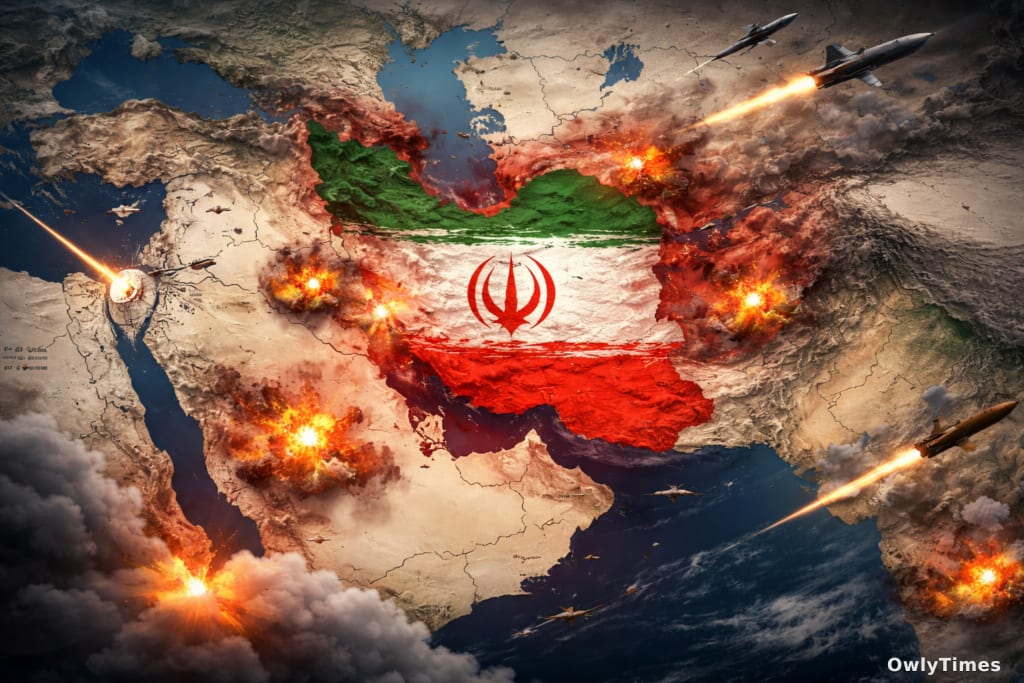
A $10 per barrel surge in crude oil prices between February 27th and March 1st isn’t merely a reaction to escalating tensions – it’s a remarkably swift and precise market assessment of the 2026 conflict between Israel and Iran, according to a new research briefing from Dan Alamariu, Chief Geopolitical Strategist at Alpine Macro. While the immediate price spike reflects fear, the analysis suggests a limited duration for the conflict, and a specific investment strategy for navigating the volatility. This isn’t a repeat of the broader geopolitical uncertainty seen in 2022 following the invasion of Ukraine; instead, the market is pricing in a contained, albeit intense, regional war with a defined ceiling on its economic impact.
Reporting from oxfordeconomics.com informs this analysis.
The Asymmetry of Power and the Gulf’s Vulnerability
The core of Alpine Macro’s assessment rests on a stark power dynamic: “Iran cannot win,” states the briefing, but it can inflict economic damage. This isn’t about territorial gains, but about disruption – specifically, the potential to disrupt oil flows through the Gulf. This is a critical distinction from the 2025 12-Day War, which Alamariu characterizes as smaller in scale. The current conflict, initiated with joint strikes by the U.S. and Israel on February 28th, carries a higher risk of escalating regional instability, even if a full-scale war is deemed unlikely. The briefing explicitly avoids speculation on the conflict’s causes, focusing instead on the quantifiable economic consequences. This focus is telling; it suggests Alpine Macro views the geopolitical factors as largely fixed, and the market’s primary concern as the potential for supply chain shocks.
Sector-Specific Opportunities and the “Sell the Spike” Strategy
The immediate beneficiaries of this conflict, according to Alpine Macro, are predictable: oil and gas companies, out-of-region energy stocks, gold, and aerospace & defense firms. However, the firm’s advice isn’t simply to buy and hold. The briefing advocates for a “sell the spike” strategy, arguing that any extreme price movements will be temporary, capped by the expectation that the conflict won’t exceed two months in duration. This is a crucial point. While the initial reaction is a flight to safety and energy security, the market anticipates a relatively swift resolution, preventing a sustained bull run in these sectors. This contrasts sharply with the prolonged uncertainty surrounding the Russia-Ukraine war, which fueled sustained energy price increases throughout 2022 and 2023. The briefing doesn’t offer specific price targets, but the implication is clear: capitalize on short-term volatility, but avoid long-term bets on escalating conflict.
GCC, East Asia, and Europe: Where the Buying Opportunity Lies
The most actionable advice within the Alpine Macro briefing centers on regional asset allocation. The firm specifically recommends buying the dip in assets across the Gulf Cooperation Council (GCC), East Asia, and Europe should they experience sharp declines fueled by war fears. This isn’t a contrarian call based on optimism, but a calculated bet on the market overreacting to a contained conflict. The rationale is that these regions, while geographically closer to the conflict, are not expected to suffer lasting economic damage. A temporary dip in asset prices presents a buying opportunity for investors who believe, as Alpine Macro does, that the conflict will remain localized and relatively short-lived. Founded in October 2017, Alpine Macro has built its reputation on precisely this type of top-down, macro-driven investment strategy.
What this means for your wallet: Prepare for Volatility, Not Recession
The Alpine Macro briefing isn’t predicting a global recession, but it is forecasting a period of heightened market volatility. For the average consumer, this translates to potential fluctuations in gasoline prices, and increased uncertainty in financial markets. The key takeaway isn’t to panic, but to understand the underlying logic driving these movements. The market isn’t fearing a protracted war, but a temporary disruption to oil supplies. The question investors should be asking now is: at what point does the market’s expectation of a two-month conflict begin to shift? If the conflict extends beyond April, or if there’s evidence of broader regional escalation, Alpine Macro’s analysis – and the current investment strategy – will need to be reassessed.