
The calculated risk of projecting unity in opposition is now running up against the unavoidable fractures within the Democratic party, specifically regarding the use of military force. While months of coordinated attacks on President Donald Trump’s domestic policies – immigration, economic performance, and associations with Jeffrey Epstein – have offered a narrative of cohesion, the recent strikes in Iran are exposing a fault line between the party’s progressive and more centrist wings. This isn’t simply a disagreement over foreign policy; it’s a test of whether the Democrats can maintain a unified front while navigating a complex geopolitical landscape, and whether the pursuit of domestic political gains has left them strategically vulnerable.
The Minneapolis Deaths and the Shifting Calculus
The deaths of two U.S. citizens in Minneapolis, a tragedy that fueled initial outrage and condemnation, served as a critical rallying point for Democrats. The event allowed them to effectively criticize Trump’s immigration policies, framing them as directly contributing to the vulnerability of American citizens. This strategy proved remarkably effective, particularly as the party approached a midterm election year where they needed to gain a mere few seats to reclaim the House majority. However, the narrative control afforded by a domestic crisis has been disrupted by the escalation in Iran. The initial unity born of shared outrage is now giving way to a more familiar internal debate, one that mirrors historical divisions within the party regarding interventionism. Consider the Vietnam War era, where similar fissures emerged between those advocating for a strong stance against communism and those prioritizing diplomatic solutions – a parallel that suggests this current split isn’t merely a reaction to Trump, but a reflection of long-standing ideological tensions.
This article draws on reporting from The Washington Post.
Who Stands to Gain and Lose from Democratic Discord?
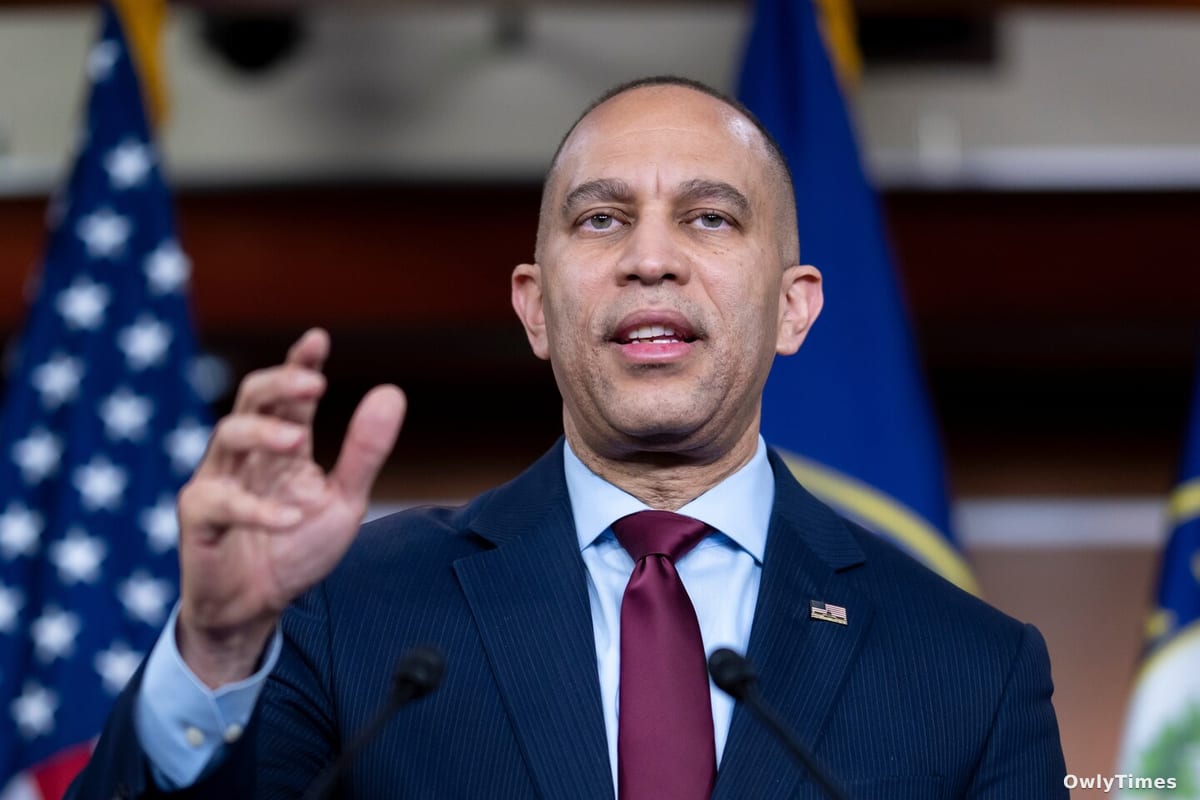
The immediate beneficiary of a fractured Democratic response to Iran is, predictably, President Trump. He can portray any dissent within the party as weakness, indecision, and a failure to prioritize national security. This allows him to consolidate support among his base and potentially peel off moderate voters who might otherwise be swayed by Democratic criticisms. Conversely, the losers are potentially numerous. House Minority Leader Hakeem Jeffries, who has been instrumental in maintaining party discipline, faces the challenge of managing these internal disagreements without appearing to cave to the administration or alienate key constituencies. More broadly, the Democratic party risks appearing divided and unable to govern, a perception that could severely damage their prospects in the upcoming midterm elections. The stakes are high: control of the House, and with it, the ability to effectively check Trump’s agenda, hangs in the balance.
Echoes of Past Foreign Policy Debates
The current situation bears a striking resemblance to the debates surrounding the Iraq War in 2003. Then, as now, the Democratic party was grappling with how to respond to a controversial military intervention initiated by a Republican president. While a majority of Democrats ultimately opposed the war, the initial response was characterized by internal divisions and a reluctance to directly challenge President George W. Bush on national security grounds. This hesitancy proved costly, allowing the Bush administration to frame the debate on its own terms and ultimately garner broad public support for the invasion. The lesson from 2003 is clear: a divided opposition allows the executive branch to dictate the narrative and pursue its objectives with minimal resistance. The $2.3 trillion spent on the Iraq War, and the subsequent political fallout, serve as a stark reminder of the consequences of failing to forge a unified response to foreign policy challenges.
The Next Move: Jeffries’ Tightrope Walk
The critical political chess move to watch is Hakeem Jeffries’ strategy for navigating the upcoming House vote on funding for continued operations in Iran. Will he attempt to force a unified vote, risking a public split and potential defections from the progressive wing? Or will he allow members to vote their conscience, potentially signaling a lack of leadership and handing a political victory to President Trump? The answer will reveal not only the future of the Democratic party’s foreign policy stance, but also Jeffries’ ability to maintain control of a caucus increasingly defined by its internal contradictions. The question isn’t simply if Democrats will oppose the administration, but how they will oppose it – and whether that opposition will be strategically coherent enough to translate into political gains.





