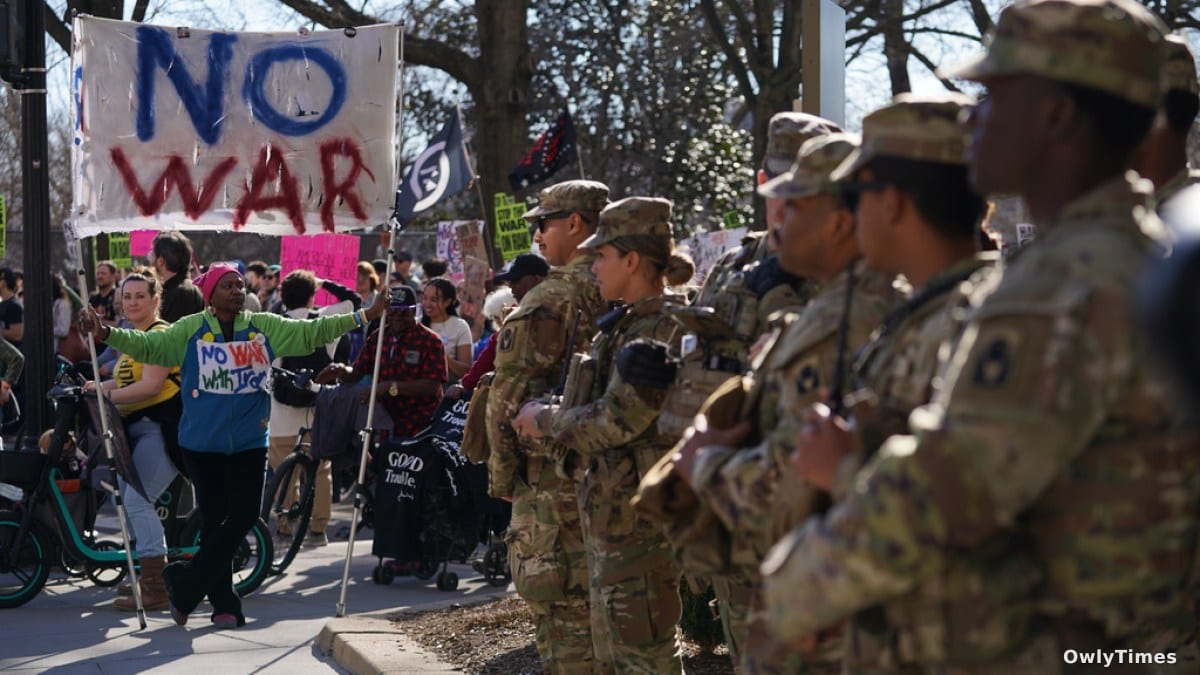

The Calculus of Preemptive Action: Trump’s Iran Strikes and the Fractured US Response
The immediate trigger for President Donald Trump’s joint military operation with Israel against Iran wasn’t simply the perceived threat of Iranian aggression, but a calculated gamble to reshape the regional power balance before the November election. While the stated objective – eliminating “imminent threats” – resonates with a core constituency, the timing and scope of the strikes reveal a strategic intent to dismantle Iranian capabilities and potentially topple the current regime, a goal openly discussed in some circles for years. This move, however, has exposed a deep fracture within the US political landscape, with Republicans largely unified in support and Democrats scrambling for a cohesive response, revealing a stark divergence in foreign policy priorities and a weakening of Congressional oversight.
Source material: Al Jazeera.
The human cost of this calculation is already evident. Reports indicate at least 201 fatalities, including over 80 deaths in a school in southern Iran, a detail that has fueled international condemnation and amplified the moral weight of the conflict. This immediately shifts the narrative beyond strategic gains and losses, forcing a reckoning with the civilian impact of the operation. The retaliatory strikes launched by Iran against Israel and US bases across the Middle East – Bahrain, Qatar, the UAE, Saudi Arabia, Jordan, and Kuwait – underscore the inherent risk of escalation, transforming a preemptive strike into a potentially wider regional war. The initial YouGov poll, showing 33% US adult approval versus 45% disapproval, hints at a public wary of another protracted conflict, a sentiment particularly strong among Democrats (10% approval) and Independents (21% approval). The 68% Republican approval rate demonstrates the power of aligning with a perceived strong stance against a designated enemy.
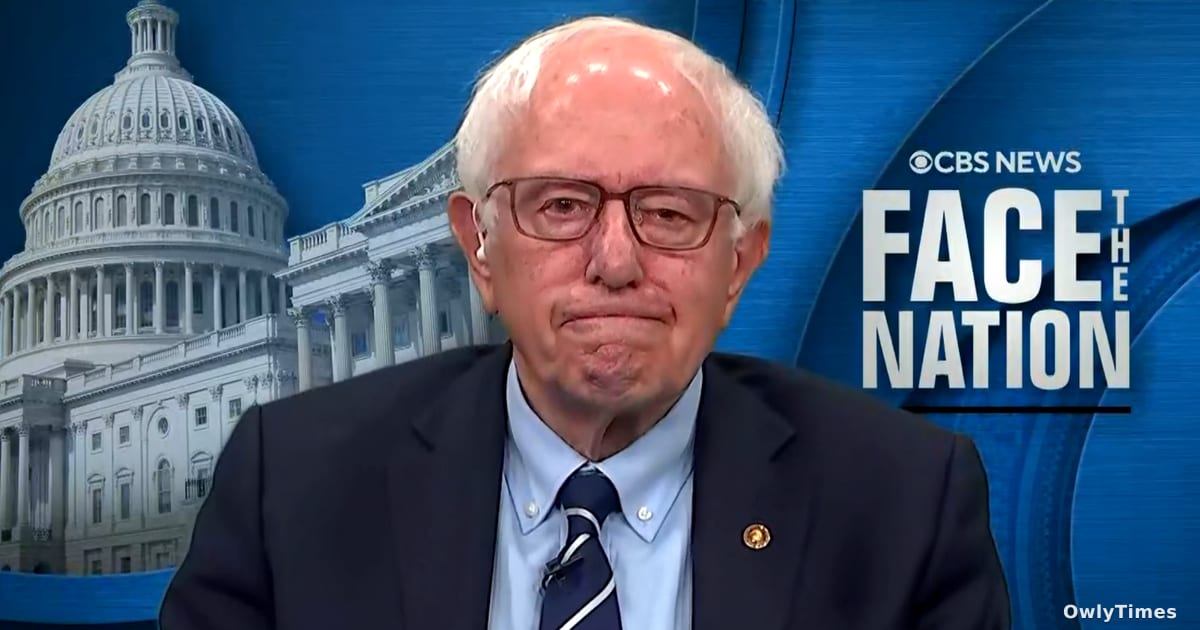
The partisan divide is not merely about approval ratings; it’s about fundamentally different interpretations of presidential authority and the role of Congress in matters of war. Hakeem Jeffries, the Democratic House Minority Leader, directly accused Trump of “fail[ing] to seek Congressional authorization,” a pointed critique echoing concerns about the erosion of checks and balances. This isn’t a novel complaint. The historical precedent of the Vietnam War, where presidential actions gradually escalated US involvement without explicit Congressional approval, looms large. The parallel is deliberate, with Democrats like Bernie Sanders explicitly invoking Vietnam and Iraq as cautionary tales of “lies” and “endless wars.” The invocation of past failures isn’t simply rhetorical; it’s a strategic attempt to frame Trump’s actions as reckless and unconstitutional, mirroring the arguments used against the Bush administration’s invasion of Iraq.
However, the Republican response, led by figures like Speaker Mike Johnson and Senator John Thune, frames the strikes as a necessary response to years of Iranian provocations – its nuclear ambitions, support for terrorist groups, and regional destabilization. This narrative, while not new, is presented as a culmination of failed diplomatic efforts, justifying the use of force as the only remaining option. Lindsey Graham’s particularly fervent language – invoking a “new dawn” and the “end of evil” – reveals a deeply held ideological conviction driving the support for military action. This echoes the rhetoric employed during the Reagan administration’s confrontation with the Soviet Union, framing the conflict as a battle between good and evil, and justifying assertive action. The contrast with the cautious, even critical, statements from Democrats like Chuck Schumer highlights the chasm in perspectives on the appropriate use of American power.
The internal contradictions within the Democratic party are particularly revealing. While figures like Rashida Tlaib and Alexandria Ocasio-Cortez vocally oppose the war as unlawful and catastrophic, others, like Kamala Harris, offer a more measured critique, opposing “regime change” but stopping short of outright condemnation. This internal struggle reflects the party’s broader dilemma: balancing its progressive base’s anti-war sentiment with the need to project strength and resolve on the international stage. Even within the administration, voices are fractured, with some officials privately expressing concerns about the lack of a clear exit strategy and the potential for unintended consequences. Zohran Mamdani, the New York City Mayor, succinctly captured the sentiment of many, stating that Americans “do not want another war in pursuit of regime change.”
The political chess move to watch next isn’t on the battlefield, but in the halls of Congress. The immediate focus will be on the War Powers Resolution, with Representatives Ro Khanna and Thomas Massie leading the charge to force a vote on authorizing – or denying – further military action. The outcome of that vote will not only determine the immediate trajectory of the conflict but will also serve as a crucial test of Congressional resolve and the future of presidential war powers. Will enough Republicans break ranks to join Democrats in demanding Congressional authorization, or will party loyalty trump constitutional concerns? The answer to that question will define the new rules of engagement in American foreign policy.