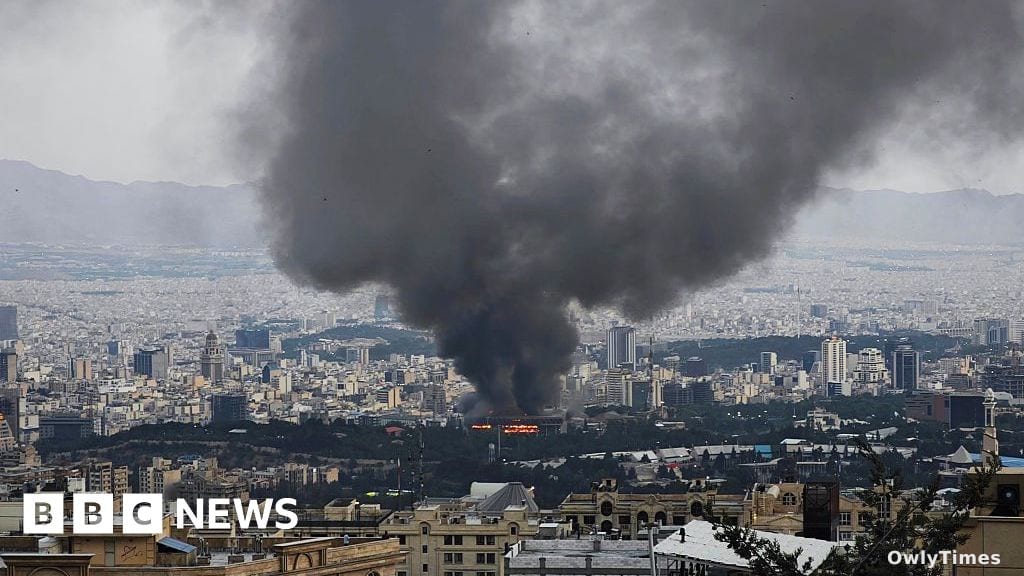

The calculated risk taken by the Trump administration and Israel in launching strikes against Iran isn’t about a sudden escalation, but a deliberate attempt to redefine the parameters of containment – and to exploit a perceived weakness in the Iranian regime’s internal legitimacy. While framed as a response to Iran’s nuclear program, the timing and overt call for regime change suggest a broader strategy: to leverage military force as a catalyst for internal unrest, betting that economic pressure and direct action can fracture the Islamic Republic’s hold on power. This isn’t simply about preventing a bomb; it’s about reshaping the regional order, and the current operation is a high-stakes gamble predicated on a specific reading of Iranian vulnerabilities.
The immediate fallout reveals a predictable fracturing of international response. UN Secretary-General Antonio Guterres’ condemnation – labeling the strikes a threat to international peace and security – is largely symbolic, hampered by the Security Council’s inherent limitations when permanent members are directly involved. More telling is the carefully calibrated response from European powers – French President Emmanuel Macron, German Chancellor Friedrich Merz, and UK Prime Minister Sir Keir Starmer – who distanced themselves from the military action while simultaneously reiterating long-standing demands for Iran to curtail its nuclear ambitions and “destabilizing activity.” This reflects a European desire to maintain a diplomatic channel, even as they acknowledge the US and Israel’s security concerns, but also a clear unwillingness to be drawn into a wider conflict. The statement’s emphasis on the “Iranian people” determining their future is a subtle nod to the regime change rhetoric emanating from Washington and Tel Aviv, but stops short of endorsing it.
This article draws on reporting from the BBC.
Iran’s Foreign Minister Abbas Araghchi’s furious response, accusing Trump of prioritizing Israeli interests at the expense of American ones, underscores the core dynamic at play. This isn’t a bilateral dispute; it’s a proxy conflict with deep historical roots. The accusation echoes a familiar narrative within Iranian political discourse – that the US is consistently manipulated by Israel – and serves to galvanize domestic support against what is portrayed as foreign aggression. The parallel to the 1953 CIA-backed coup that overthrew Mohammad Mosaddegh is unavoidable, a historical trauma that fuels Iranian distrust of Western intervention. The current situation, however, differs in its scale and the directness of the US involvement, moving beyond covert operations to overt “major combat operations” as described by Trump.
The regional implications are equally fraught. Saudi Arabia’s staunch support for the strikes, framed as a defense against “blatant Iranian aggression,” highlights the ongoing proxy war between Riyadh and Tehran. This alignment reinforces the existing geopolitical fault lines and risks escalating the conflict beyond Iran’s borders. Russia’s condemnation, characterizing the strikes as “reckless” and a pretext for undermining negotiations, is predictable, given its strategic partnership with Iran and its broader opposition to US foreign policy. Moscow benefits from instability in the region, as it weakens US influence and creates opportunities for its own diplomatic maneuvering. The fact that the UK, while not participating in the strikes, has deployed aircraft for “co-ordinated regional defensive operations” demonstrates a level of tacit support and a commitment to protecting its interests in the region.
Who benefits and who loses from this escalation? Israel gains a temporary reprieve from Iranian-backed threats and a demonstration of its military capabilities. The Trump administration attempts to project strength and fulfill a key campaign promise, potentially bolstering domestic support. Saudi Arabia sees an opportunity to weaken its regional rival. Conversely, Iran’s regime faces increased pressure and the risk of internal unrest, while the broader region is plunged into greater instability. Civilians, as UN Human Rights Chief Volker Türk rightly points out, are the ultimate losers, facing the prospect of further violence and displacement. The international diplomatic process, already fragile, is further undermined, and the prospect of a negotiated solution to the nuclear issue recedes. The call for the Iranian people to rise up, issued by both Trump and Netanyahu, is a dangerous gamble that could easily backfire, leading to a bloody crackdown and further radicalization.
The political chess move to watch next isn’t whether Iran will retaliate – that’s almost certain – but how it will retaliate. Will it focus on direct military strikes against Israel, risking a full-scale war? Or will it opt for asymmetric warfare, targeting US interests and allies in the region through proxy groups, attempting to bleed the US without triggering a wider conflict? The answer to that question will determine whether this is a contained escalation or the opening salvo in a protracted regional war.





