
The Calculus of Escalation: Iran’s Open Declaration of Continued Attacks
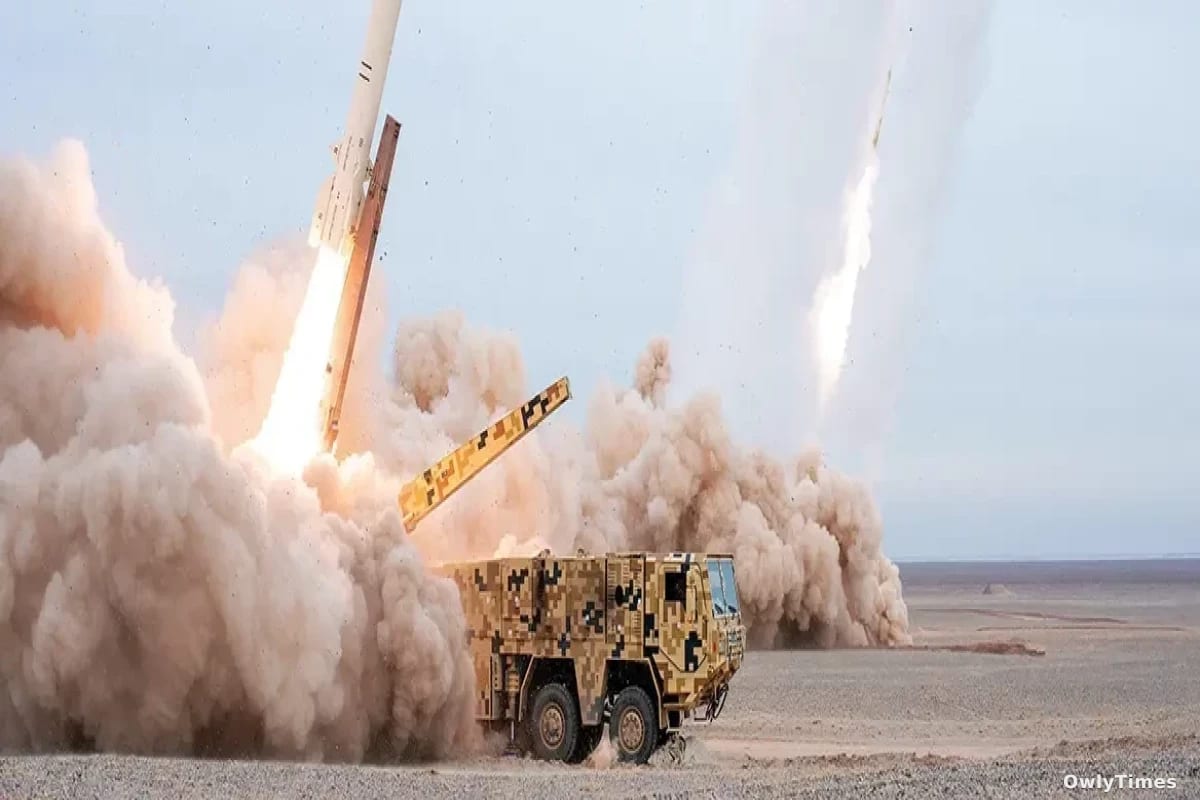
The statement from a source within the Islamic Revolutionary Guard Corps (IRGC) on February 28th, 2026 – openly declaring continued attacks on both Israel and US bases – isn’t a sign of irrationality, but a calculated escalation designed to reshape the regional security architecture. This isn’t simply retaliation for perceived offenses; it’s a demonstration of resolve intended to raise the costs of containment and force a renegotiation of Iran’s position within the Middle East. The timing, coinciding with reported clashes on the Pakistan-Afghanistan border and a stated willingness by the Iranian Foreign Minister to discuss sanctions with the United States, reveals a multi-pronged strategy. Iran is simultaneously projecting strength, signaling its willingness to engage diplomatically (on its terms), and exploiting regional instability to its advantage.
Original reporting: en.apa.az.
The core strategic motivation here is leverage. For years, Iran has operated under a framework of sanctions and containment, largely dictated by US policy and enforced through regional alliances. The IRGC source’s statement, reported by APA news agency, isn’t a threat to the US and Israel, but a statement of intent regarding the new normal. This is a clear signal that Iran believes the existing framework has failed to deliver its desired outcomes – primarily, relief from sanctions and recognition as a regional power. Who benefits and who loses from this escalation? Iran benefits from increased bargaining power and the potential to fracture the US-Israel alliance. The US and Israel lose control over the narrative and face escalating risks to their assets and allies in the region. Regional actors, particularly those caught between Iran and its rivals, face increased instability and the prospect of being drawn into a wider conflict.
The confirmation by the Israel Defense Forces (IDF) on March 1st, 2026, of the killing of top Iranian leaders, including Ali Shamkhani, a key defense official, is not a deviation from this pattern, but a direct response intended to demonstrate Israel’s own resolve and raise the stakes. This reciprocal escalation, coupled with reports – however unverified – of Israel obtaining a photo of Supreme Leader Ali Khamenei’s body, suggests a willingness to push the boundaries of acceptable conflict. The IDF’s subsequent detection of a launch from Iran and the activation of sirens further illustrate the rapid descent into a reactive cycle. This isn’t a spontaneous outbreak of violence; it’s a carefully calibrated series of actions and reactions, each designed to signal strength and deter further escalation – a strategy that, ironically, appears to be having the opposite effect.
Historical parallels are stark. The current situation echoes the dynamics of the Cold War, where proxy conflicts and limited engagements were used to test the boundaries of superpower rivalry. The US-Soviet relationship was often characterized by periods of intense tension punctuated by diplomatic overtures, much like Iran’s simultaneous threats and offer to discuss sanctions. However, a crucial difference lies in the proliferation of non-state actors and the increased complexity of the regional landscape. Unlike the relatively predictable dynamics of the Cold War, the Middle East is characterized by a multitude of overlapping conflicts and competing interests, making it far more difficult to control escalation. The 1973 Yom Kippur War, initiated by Egypt and Syria, also offers a cautionary tale. Initial successes by Arab forces prompted a US airlift and ultimately a wider confrontation, demonstrating how limited conflicts can quickly spiral out of control.
The Iranian Foreign Minister’s offer to discuss sanctions with the US, while seemingly conciliatory, must be viewed through this lens of strategic calculation. It’s not a sign of weakness, but a recognition that a purely military solution is unlikely to achieve Iran’s objectives. The offer allows Iran to present itself as a responsible actor willing to negotiate, while simultaneously maintaining its military pressure. The rejection of US claims regarding its nuclear and ballistic missile program is a further indication of Iran’s unwillingness to concede on core issues. This is a negotiation conducted at gunpoint, where the threat of continued attacks serves as the primary bargaining chip.
The political chess move to watch next isn’t whether further attacks will occur – the IRGC has already made that clear. It’s whether the US will respond to the killing of Ali Shamkhani with a direct military strike against Iranian assets. A direct strike would dramatically escalate the conflict, potentially drawing in other regional actors and triggering a wider war. Alternatively, a continued reliance on proxy forces and economic pressure would signal a willingness to accept the new normal, effectively conceding ground to Iran. The answer to that question will define the future of regional security for years to come.





