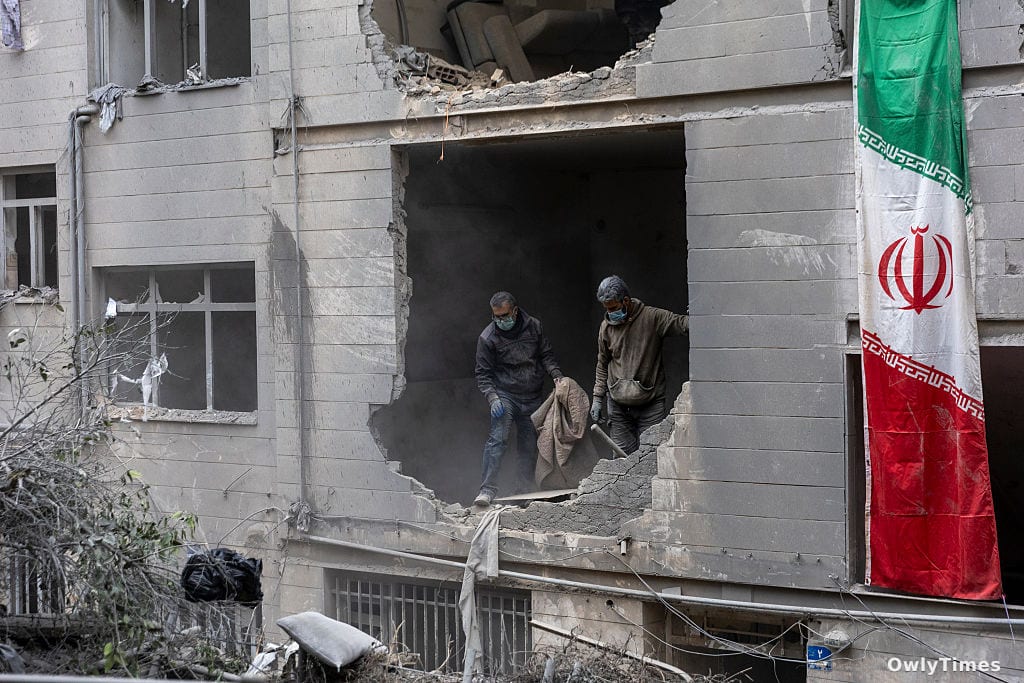

$12 billion. That’s the confirmed cost, as of Sunday, of the United States’ military engagement with Iran – a figure rapidly eclipsing the price tags of vital domestic programs and igniting a fierce debate over national priorities. Kevin Hassett, director of the National Economic Council, delivered the assessment to CBS News, but the true financial burden is almost certainly higher, failing to account for pre-conflict deployments and the escalating replacement costs of advanced weaponry. This isn’t simply a question of budgetary allocation; it’s a stark illustration of opportunity cost, forcing a direct comparison between investment in geopolitical power projection and investment in the well-being of American citizens.
The initial $12 billion figure, escalating from $11.3 billion in the first six days according to Pentagon briefings, translates to roughly $891.4 million per day during the first 100 hours, as calculated by the Center for Strategic and International Studies. This daily burn rate is particularly alarming when juxtaposed with recent legislative history. Just last year, Republicans in Congress blocked an extension of Affordable Care Act subsidies that would have cost approximately $30 billion annually. At the current pace, the war’s cost could equal a year’s worth of those healthcare subsidies in just five weeks. Follow the money, and a clear pattern emerges: willingness to rapidly authorize spending for military intervention exists alongside resistance to funding established social safety nets.
The implications extend far beyond healthcare. That same $12 billion could have provided a full year of health insurance for 1.3 million Americans – a population roughly the size of Dallas, Texas. Alternatively, it could have fully funded SNAP benefits for 5.5 million individuals, representing 13% of all recipients, or a month’s worth of benefits for all SNAP enrollees. The choice isn’t abstract; it’s a concrete trade-off between addressing immediate human needs and pursuing a foreign policy objective with an increasingly opaque endgame. Sen. Elizabeth Warren succinctly captured this tension, stating, “While there is no money for 15 million Americans who lost their health care, there's a billion dollars a day to spend on bombing Iran.”
Based on the original time.com report.
The scale of the expenditure also highlights a potential fiscal crunch. The rapid depletion of resources will likely necessitate a supplemental spending bill to Congress, a process fraught with political hurdles. While the Administration hasn’t yet formally requested additional funds, the escalating costs – which don’t include long-term reconstruction or veteran care – make it almost inevitable. This request will force lawmakers to confront the same difficult choices: fund the ongoing military operation, or redirect those funds to domestic priorities like housing, education, or infrastructure. Rep. Diana DeGette pointedly noted that the $11.3 billion spent in six days “was spent in just six days on an illegal war with no endgame.”
Beyond immediate budgetary concerns, the $12 billion could have been strategically invested in bolstering the American workforce. It could have funded the training of 100,000 new nurses, addressing a critical staffing crisis, or provided Pell Grants to 1.6 million students, expanding access to higher education. The funds are sufficient to cover the salaries of roughly 166,000 teachers – the entire teaching workforce of Florida – or train 120,000 new nurses. These aren’t merely alternative uses of funds; they represent investments in long-term economic growth and social stability, arguably offering a higher return than a military intervention with uncertain outcomes. Even a reversal of recent foreign aid cuts, slashed during the Trump administration, could have been financed, potentially bolstering international stability and reducing the need for future interventions.
What this means for your wallet is a looming question of fiscal priorities. The current trajectory suggests a willingness to prioritize military spending even at the expense of domestic programs. Investors should watch for the forthcoming supplemental spending request and the ensuing political debate. Consumers should anticipate potential cuts to social programs or increases in taxes to offset the war’s costs. The critical question isn’t simply how much the war will ultimately cost, but what will be sacrificed to pay for it. Will the escalating financial burden force a reassessment of U.S. foreign policy, or will the current course continue, diverting resources from pressing domestic needs?





