
120 billion cubic meters of liquefied natural gas (LNG) represents the cumulative supply loss the global energy market now faces through 2030, according to the latest estimates from the International Energy Agency (IEA). This projection, released on April 24, 2026, underscores a structural shift in energy availability triggered by the ongoing conflict in the Middle East, now in its second month. While immediate market volatility is expected, the data suggests the true financial burden will be a multi-year period of sustained supply tightness.
Infrastructure Damage and the Two-Year Deficit
The severity of this disruption stems from precise damage to critical export infrastructure. Iranian strikes on Ras Laffan Industrial City in Qatar have reduced the facility's LNG capacity by 17%, a figure confirmed by Qatar’s energy minister. The physical toll on these liquefaction assets is severe enough that repairs could span up to five years, effectively stalling the global LNG expansion wave. The IEA anticipates that this loss will stifle supply growth and prolong tight market conditions through at least 2026 and 2027.
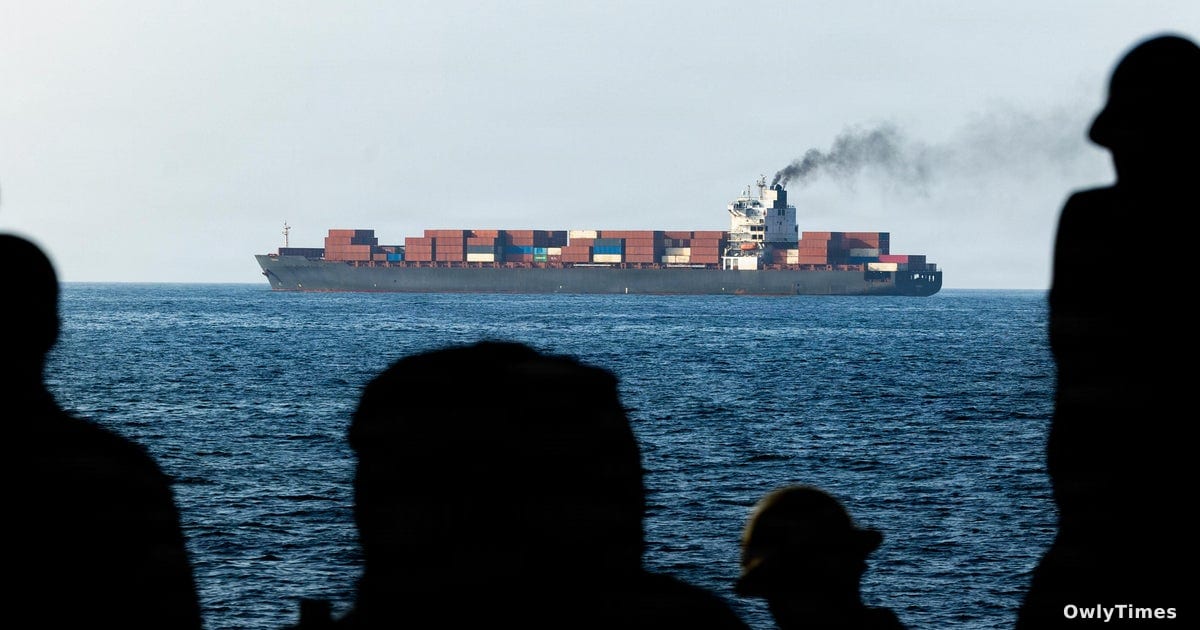
Follow the money and the geography: the closure of the Strait of Hormuz has effectively severed the transit of one-fifth of global oil and LNG supplies. Fatih Birol, head of the IEA, characterized this bottleneck as "the biggest crisis in history" during an interview on France Inter radio this past Tuesday. The inability to move product through this corridor acts as a multiplier on top of the physical damage in Qatar, creating a dual-threat environment for energy importers.
Market Adaptation and the Demand-Side Shift
The economic reaction to these supply constraints is already visible in shifting consumption patterns. Natural gas demand contracted in March as commodity prices climbed and nations began aggressive policy adjustments. The IEA reports that several Asian countries are prioritizing fuel-switching and demand-side management to insulate their domestic economies from the current price volatility. These measures are a direct response to the reality that new liquefaction projects in other regions will take time to come online and offset the current deficit.
Investor Outlook and the Strait of Hormuz Uncertainty
For investors and consumers, the current market is defined by a primary variable: the duration of the closure of the Strait of Hormuz. Because this transit point remains the single largest uncertainty for global gas demand, any fluctuation in the status of the strait will dictate the severity of price spikes throughout the remainder of 2026. The next reading of global natural gas demand metrics and the status of regional fuel-switching efforts will provide the clearest signal of whether these energy markets will stabilize or remain in a state of high-cost volatility. Until infrastructure capacity is restored, the cost of energy will likely remain decoupled from pre-conflict norms, requiring both businesses and households to account for a sustained premium on natural gas procurement.