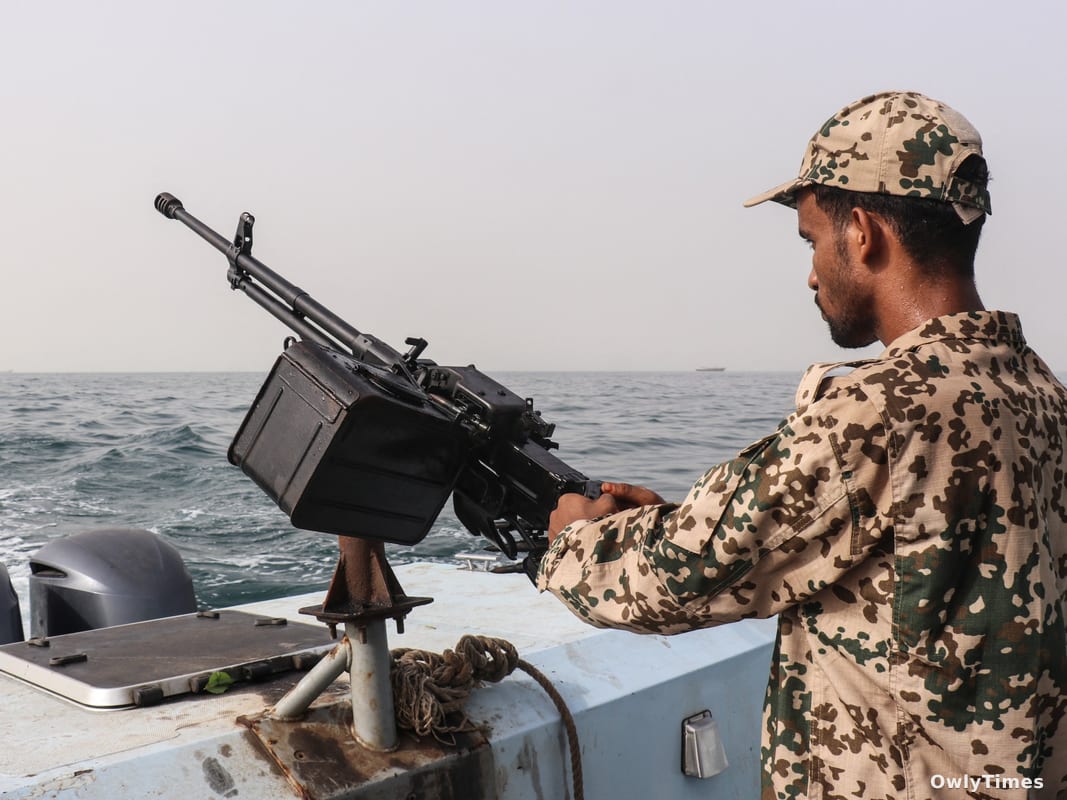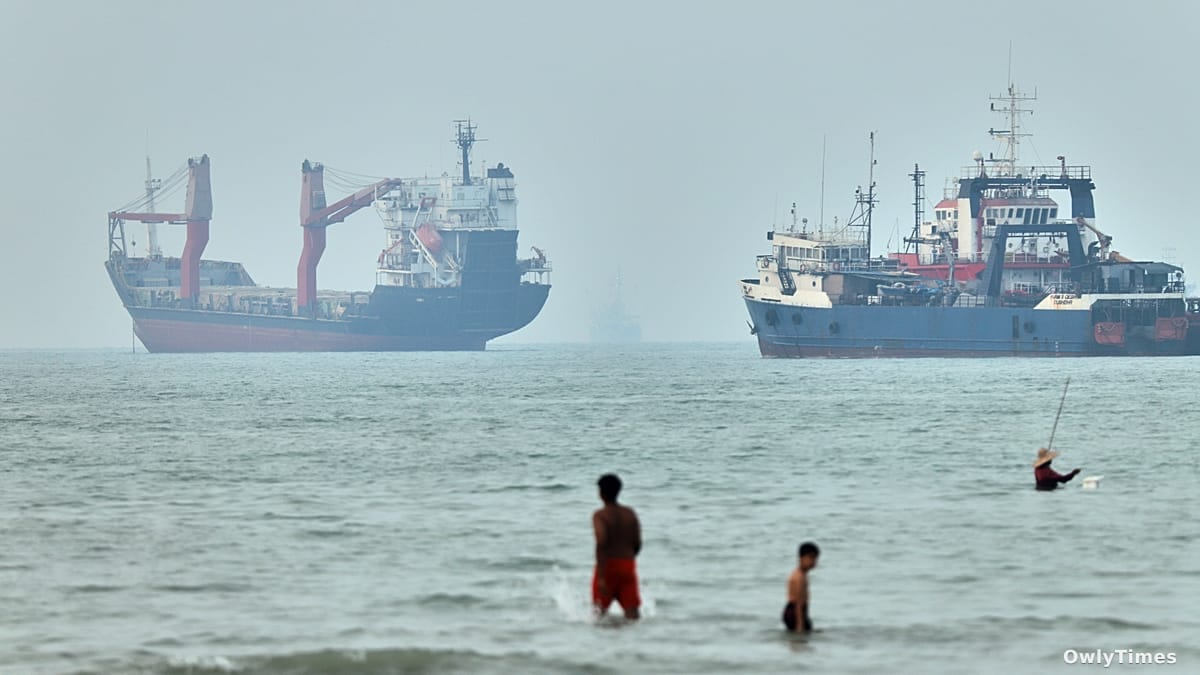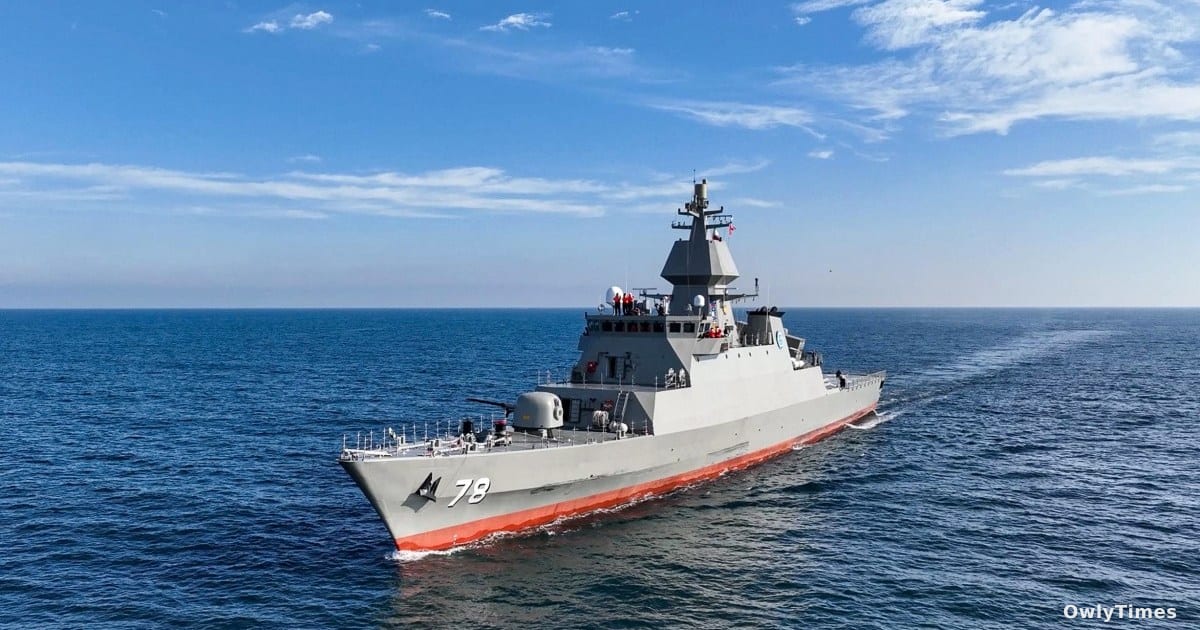

The escalating disruptions to Asian supply chains, manifesting even in shortages of “Wasabeef” potato chips and ramen noodles, aren’t collateral damage from President Trump’s war in Iran – they are a calculated consequence of a strategy to leverage economic pressure as a tool of geopolitical coercion. While the immediate impact on American consumers is rising fuel costs, the broader aim appears to be destabilizing key economies reliant on trade routes now threatened by the conflict, and forcing a realignment of regional alliances. This isn’t simply about oil; it’s about reshaping the economic architecture of Asia to benefit American interests, even at the cost of widespread economic discomfort.
The Geography of Economic Leverage
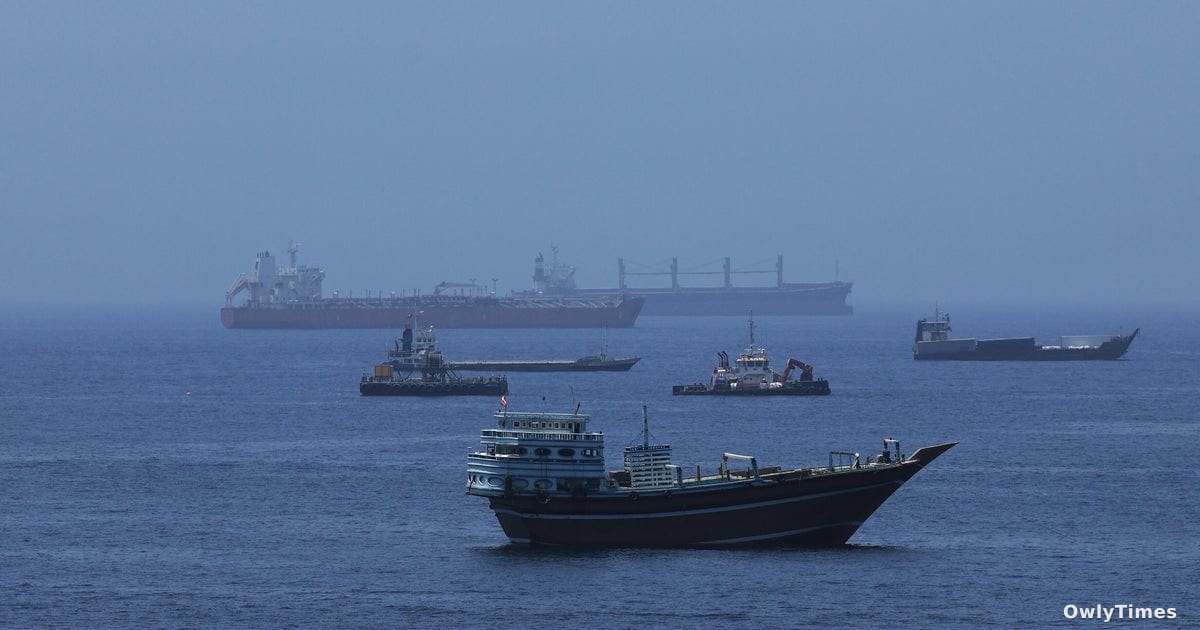
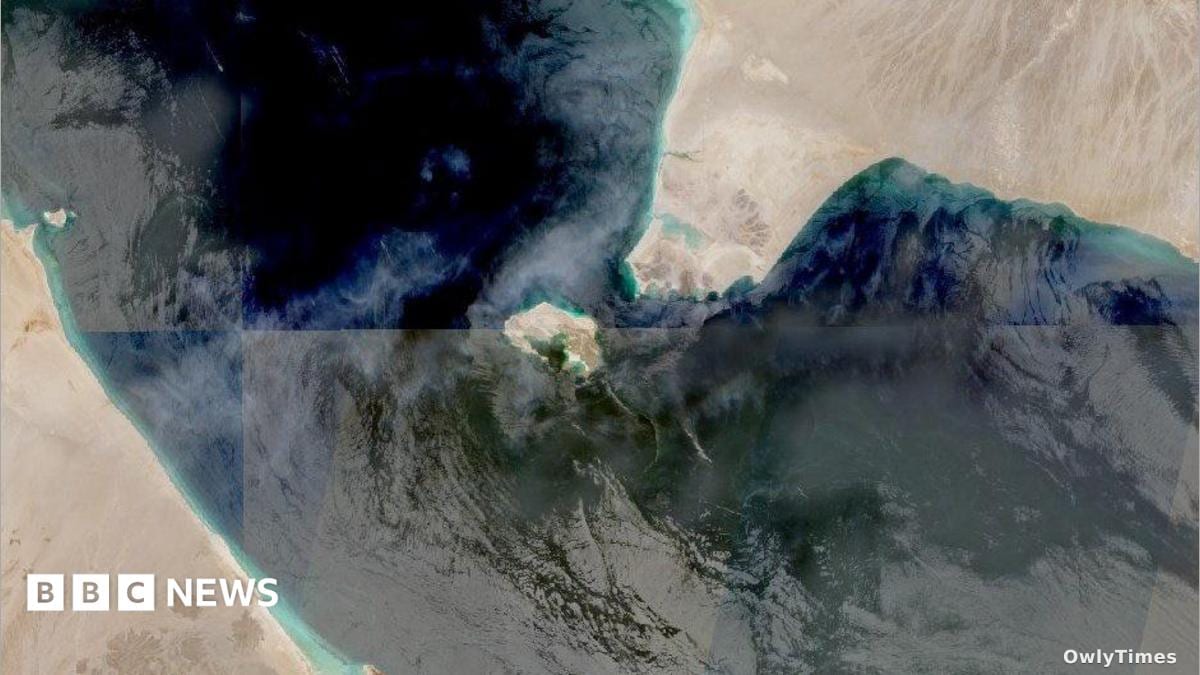
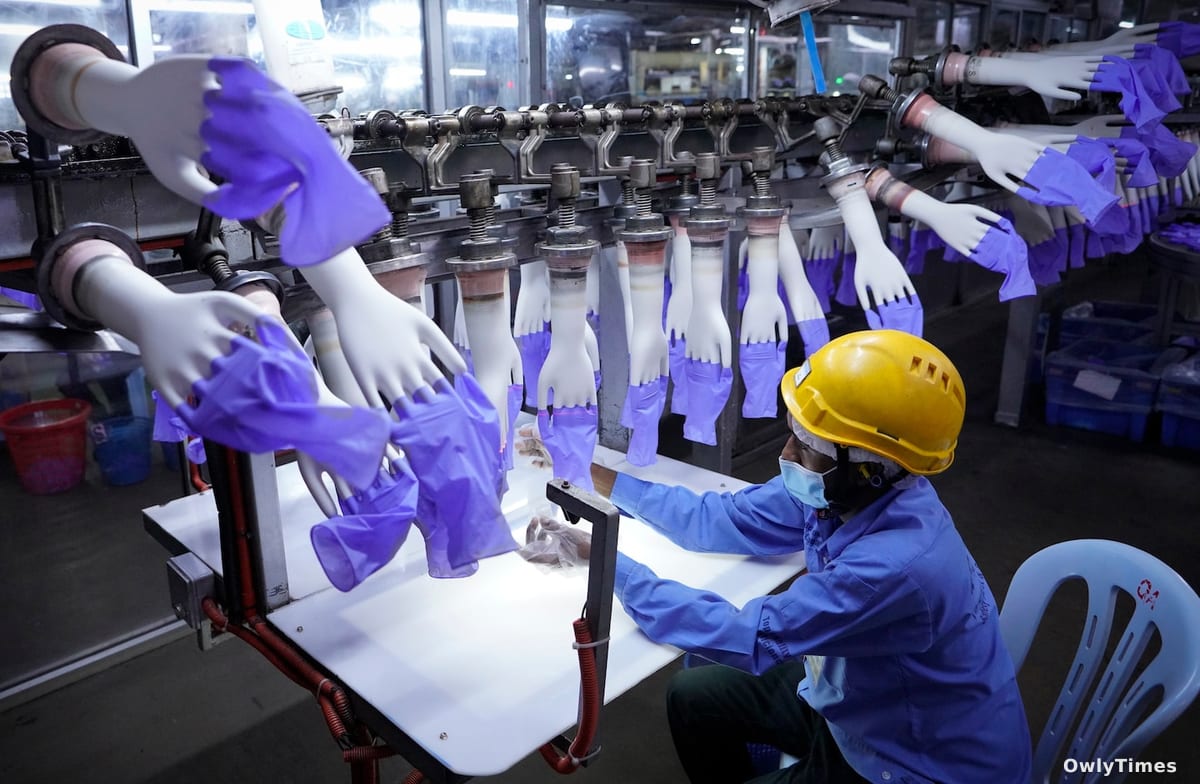
The conflict in Iran, and the subsequent disruption of shipping lanes through the Strait of Hormuz, is the visible trigger, but the groundwork for this vulnerability was laid years ago. President Trump’s consistent trade rhetoric and imposition of tariffs, even before the current crisis, incentivized a diversification of supply chains away from China – a move ostensibly about national security, but strategically designed to weaken a rising economic competitor. Now, as those alternative routes through Southeast Asia and other nations become constricted, the leverage shifts. Countries like Malaysia, heavily involved in the production of goods like rubber gloves (as evidenced by the Top Glove factory in Shah Alam) and packaging materials, are suddenly facing bottlenecks. The impact isn’t uniform; nations with closer ties to the U.S. are likely to experience less severe disruptions, while those leaning towards China or Iran are feeling the pinch acutely.
Original reporting: The Washington Post.
Who Benefits and Who Loses in the Scramble for Stability?
The immediate losers are Asian consumers and manufacturers. Shortages of basic goods like bottled water, school uniforms, and even garbage bags signal a decline in purchasing power and increased production costs. This is particularly damaging to economies still recovering from the pandemic. However, American companies positioned to absorb or redirect supply chains stand to benefit. The increased demand for American-produced alternatives, coupled with the weakening of Asian competitors, creates opportunities for market share gains. More subtly, the U.S. gains political capital by positioning itself as a stable supplier in a turbulent world. This dynamic echoes the post-World War II era, when the Marshall Plan wasn’t purely altruistic – it was a strategic investment in creating markets for American goods and solidifying Western alliances.
Historical Echoes of Blockade Politics
The current situation bears a striking resemblance to the British naval blockades of the 19th and 20th centuries, designed to exert economic pressure on rival empires. While not a formal blockade, the disruption of shipping through the Strait of Hormuz achieves a similar effect: restricting access to vital resources and trade routes. The difference, of course, is the scale and complexity of the modern global economy. Unlike the relatively isolated trade networks of the past, today’s supply chains are deeply interconnected, meaning that even seemingly minor disruptions can have cascading effects. The 1973 oil crisis, triggered by the Arab oil embargo, serves as a cautionary tale – demonstrating how quickly energy-related disruptions can destabilize global economies and reshape geopolitical power dynamics. The current situation, while not solely energy-focused, shares that same potential for widespread and unpredictable consequences.
Beyond Potato Chips: The Long Game in Asia
The shortages of everyday goods are a symptom, not the disease. The underlying issue is a deliberate attempt to recalibrate the balance of power in Asia. President Trump’s administration is betting that economic pressure will force nations to reassess their allegiances and align more closely with U.S. interests. The question now is whether this strategy will succeed, or whether it will simply accelerate the development of alternative trade networks and strengthen the resolve of nations determined to resist American influence. The next critical move to watch is the U.S. response to China’s potential attempts to circumvent the disruptions and establish new trade routes through Central Asia – specifically, the level of economic and diplomatic pressure the U.S. will apply to nations hosting those routes. Will it be a continuation of coercive tactics, or a shift towards a more collaborative approach? The answer will reveal whether this is a short-term power play or a long-term strategy for reshaping the Asian economic landscape.