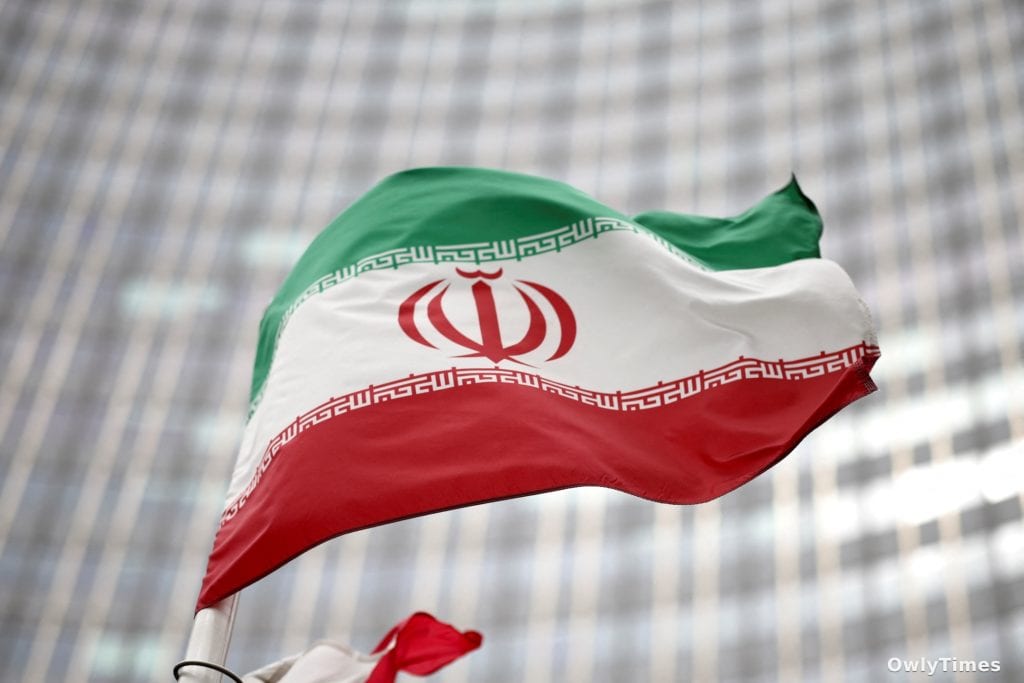

The chipped Formica of the conference room table felt cold under my hands as I watched Kazem Gharibabadi, one of Iran’s deputy foreign ministers, speak. It wasn’t the words themselves – carefully calibrated statements about Iran’s “determined” pursuit of domestic uranium enrichment – but the way he said them. A quiet defiance, a tightening around the eyes, a posture that broadcast, despite the recent military strikes, that Iran wasn’t blinking. This wasn’t a negotiation; it was a performance of resolve, delivered just days after Israel and the U.S. directly confronted Iran’s nuclear program, and as the nation attempts to project stability amidst escalating tensions. The scene, reported on by Nick Schifrin among other journalists in New York this morning, wasn’t about finding common ground, but about drawing a line in the sand – a line that, if crossed, could ignite a wider conflict.
A Hard Line After the Strikes
The immediate context is critical: last month’s direct military confrontation, a rare and dangerous escalation. For years, the shadow war between Iran and Israel has played out through proxies and cyberattacks. The recent strikes, however, were overt, targeting Iranian nuclear facilities. While the Biden administration insists it wasn’t involved in the attack, the implicit support – and the lack of condemnation – sent a clear message. Yet, the message doesn’t seem to have landed as intended. Gharibabadi’s insistence on domestic enrichment, a core sticking point in previous negotiations, isn’t a new position, but it’s dramatically hardened in the wake of the strikes. He explicitly rejected the idea of a regional enrichment consortium, a proposal floated by the Trump administration, framing it as a non-starter. This isn’t simply about technical capabilities; it’s about national sovereignty and a perceived right to develop nuclear technology, regardless of international concerns.
See the original PBS story for the full account.
The Disconnect Between Damage Assessment and Public Messaging
What’s particularly striking is the internal contradiction within the Iranian government’s messaging. While Gharibabadi offered no formal assessment of the damage caused by the strikes, his boss, Foreign Minister Abbas Araghchi, admitted earlier this week that the facilities were “seriously damaged.” This dissonance speaks to a carefully constructed narrative aimed at both domestic and international audiences. Domestically, acknowledging significant damage could be interpreted as weakness, fueling dissent and undermining the regime’s authority. Internationally, downplaying the impact allows Iran to maintain a position of strength at the negotiating table. The upcoming meeting between Iran and European powers at the end of this week will be a crucial test of whether this carefully constructed facade can hold. The fact that a technical team from the Iran nuclear watchdog will soon be in Iran suggests a tacit acknowledgement that verification – and therefore, some level of damage – is unavoidable.
Beyond Distrust: The Erosion of Diplomatic Pathways
The core issue, as Schifrin pointed out, remains Iran’s insistence on enriching uranium domestically. This isn’t merely a technical hurdle; it’s a symptom of a deeper problem: a profound lack of trust. Gharibabadi explicitly stated that Iran does not trust the U.S. to resume direct negotiations, a sentiment rooted in the U.S.’s withdrawal from the Joint Comprehensive Plan of Action (JCPOA) under Trump and the subsequent reimposition of sanctions. The JCPOA, a landmark agreement aimed at curbing Iran’s nuclear program in exchange for sanctions relief, is now effectively defunct. The Biden administration has expressed a willingness to rejoin the agreement, but only if Iran returns to full compliance – a condition Iran is increasingly reluctant to meet, especially given the recent military actions. This creates a dangerous feedback loop: distrust fuels escalation, escalation reinforces distrust, and the possibility of a diplomatic solution diminishes with each passing day.
What Happens When "Determined" Meets Reality?
The stakes are enormous. A failure to de-escalate could lead to a wider regional conflict, with potentially devastating consequences. But beyond the immediate geopolitical risks, this moment reveals a fundamental shift in the dynamics of nuclear proliferation. Iran’s unwavering commitment to domestic enrichment, even in the face of military strikes, signals a new willingness to accept risk and challenge the international order. The question now isn’t simply whether Iran will abandon its nuclear ambitions, but whether the international community can adapt to a world where more nations pursue nuclear capabilities, believing it’s the only guarantee of their security. Will European powers, increasingly wary of U.S. reliability, attempt to forge a separate path with Iran? And, crucially, what red line – if any – will the Biden administration draw if Iran continues to accelerate its nuclear program? The answers to these questions will define not just the future of Iran’s nuclear program, but the future of global security.





