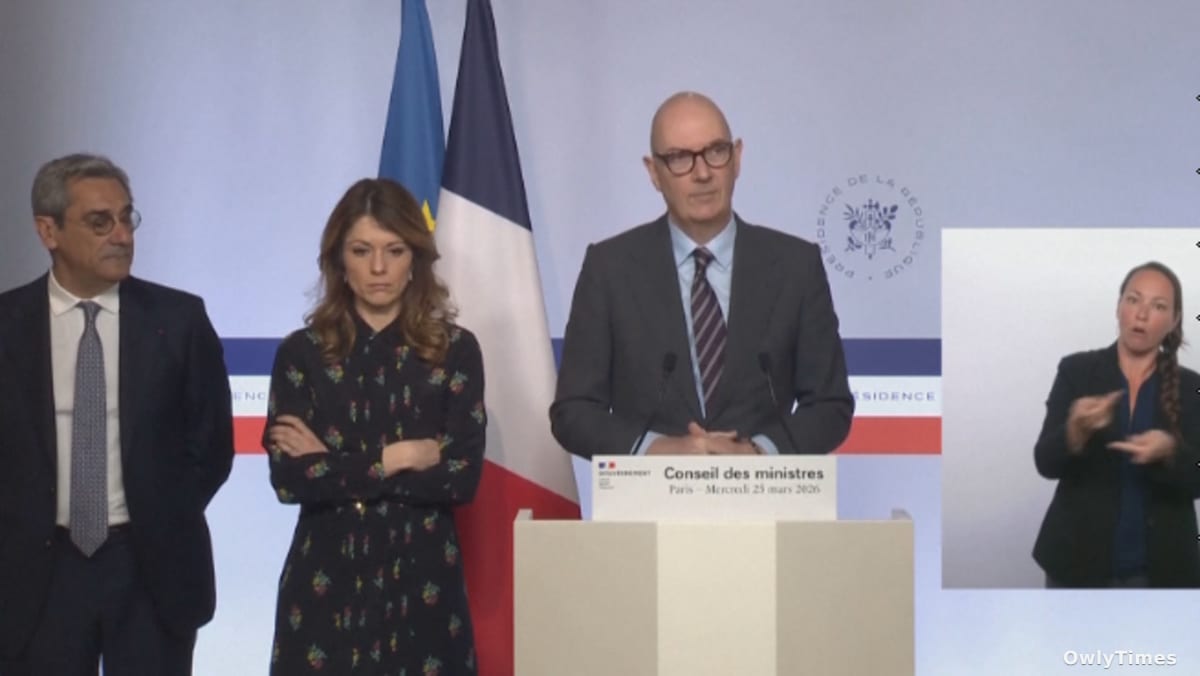

11 million barrels. That’s the daily shortfall in global oil refining capacity – representing roughly 12% of global demand – now stemming from damage inflicted by Iran’s retaliatory strikes in the Gulf, according to a Wednesday statement by French Finance Minister Roland Lescure. While geopolitical tensions in the Middle East are hardly new, this isn’t simply a supply disruption; it’s a structural shock to the energy system, one that’s forcing a rapid reassessment of energy security strategies and accelerating timelines for the green transition, even as it threatens to reignite inflationary pressures. Follow the money, and you’ll see this isn’t just about oil prices – it’s about the cascading effects on industrial production, transportation costs, and ultimately, consumer spending.
The Gulf’s Refining Bottleneck and the Three-Year Recovery
The scale of the damage is significant. Lescure estimates between 30% and 40% of Gulf refining capacity is either damaged or destroyed, with full restoration potentially taking up to three years. This isn’t a quick fix; rebuilding complex refining infrastructure requires specialized materials, skilled labor, and substantial capital investment. Even facilities that weren’t directly hit but were proactively shut down as a precaution will take “several months” to restart, further exacerbating the immediate supply crunch. To put this in perspective, the International Energy Agency (IEA) reported global refining capacity utilization at 93% in late 2023 – meaning there was already limited spare capacity before these strikes. The current situation effectively eliminates that buffer, leaving the market extraordinarily vulnerable to further disruptions. The immediate impact is a surge in crack spreads – the difference between the price of crude oil and refined products like gasoline and diesel – indicating a premium for usable fuel.
Reporting from france24.com informs this analysis.
Italy’s Algerian Gamble and Europe’s Energy Scramble
The immediate fallout is playing out in Europe’s energy markets. Giorgia Meloni’s emergency trip to Algeria underscores the continent’s desperate search for alternative gas supplies. Italy, heavily reliant on LNG imports – a significant portion of which previously came from Qatar – is now attempting to secure increased deliveries from Algeria, a key North African energy partner. This highlights a critical vulnerability: Europe’s diversification efforts, while underway, haven’t yet fully insulated it from geopolitical shocks. Algeria’s capacity is limited, and increased deliveries to Italy will likely come at the expense of other European nations, potentially triggering a bidding war for available supply. The situation is further complicated by the fact that Algeria itself is facing increasing domestic demand and infrastructure constraints. This isn’t simply a matter of finding alternative sources; it’s about navigating a complex web of existing contracts, logistical challenges, and competing priorities.
Green Transition Acceleration – A Silver Lining?
Interestingly, the crisis is prompting a renewed focus on accelerating the green transition in both the UK and Germany. Both nations signaled Wednesday that the energy crisis is bolstering the case for increased investment in renewable energy sources. While this sounds positive, the transition isn’t instantaneous. Building out renewable infrastructure – wind farms, solar plants, grid upgrades – takes time and significant capital. The current crisis is likely to accelerate permitting processes and incentivize private investment, but it won’t eliminate the need for fossil fuels overnight. This creates a paradoxical situation: a short-term reliance on potentially more expensive and less secure fossil fuel supplies while simultaneously accelerating the long-term shift towards cleaner energy. The cost of this transition will inevitably be passed on to consumers, at least in the short to medium term.
Lagarde’s Assurance and the Inflationary Tightrope
European Central Bank President Christine Lagarde attempted to reassure markets Wednesday, stating the ECB has “several options” for dealing with the inflation shock and promising policymakers wouldn’t be “paralysed by hesitation.” However, the options are limited and fraught with risk. Raising interest rates further to combat inflation could stifle economic growth, potentially triggering a recession. Conversely, maintaining low interest rates could allow inflation to become entrenched. The ECB is walking a tightrope, attempting to balance the need to control inflation with the need to support economic activity. The core CPI, excluding energy and food, will be the key metric to watch. If that figure begins to accelerate, it will signal that the inflationary pressures are becoming more broad-based and require a more aggressive response.
What this means for your wallet: Expect higher energy prices at the pump and on your utility bills in the coming months. Beyond that, monitor the price of durable goods – anything that relies on oil for manufacturing or transportation. The 11 million barrel shortfall isn’t just an energy crisis; it’s a potential drag on global economic growth, and the question now is whether governments and central banks can navigate this crisis without triggering a broader recession. Will the accelerated green transition offset the inflationary pressures, or will consumers bear the brunt of this geopolitical shock?