
The political paralysis gripping Baghdad is not merely a struggle over executive power; it is a calculated effort to outsource the Iraqi premiership to a figurehead who can navigate a collapsing regional security architecture. By stalling the appointment of a new prime minister more than five months after parliamentary elections, the Coordination Framework is attempting to solve a fundamental contradiction: how to maintain the patronage networks of the “Axis of Resistance” while shielding Iraq’s fragile oil-dependent economy from the aggressive financial leverage wielded by Washington.
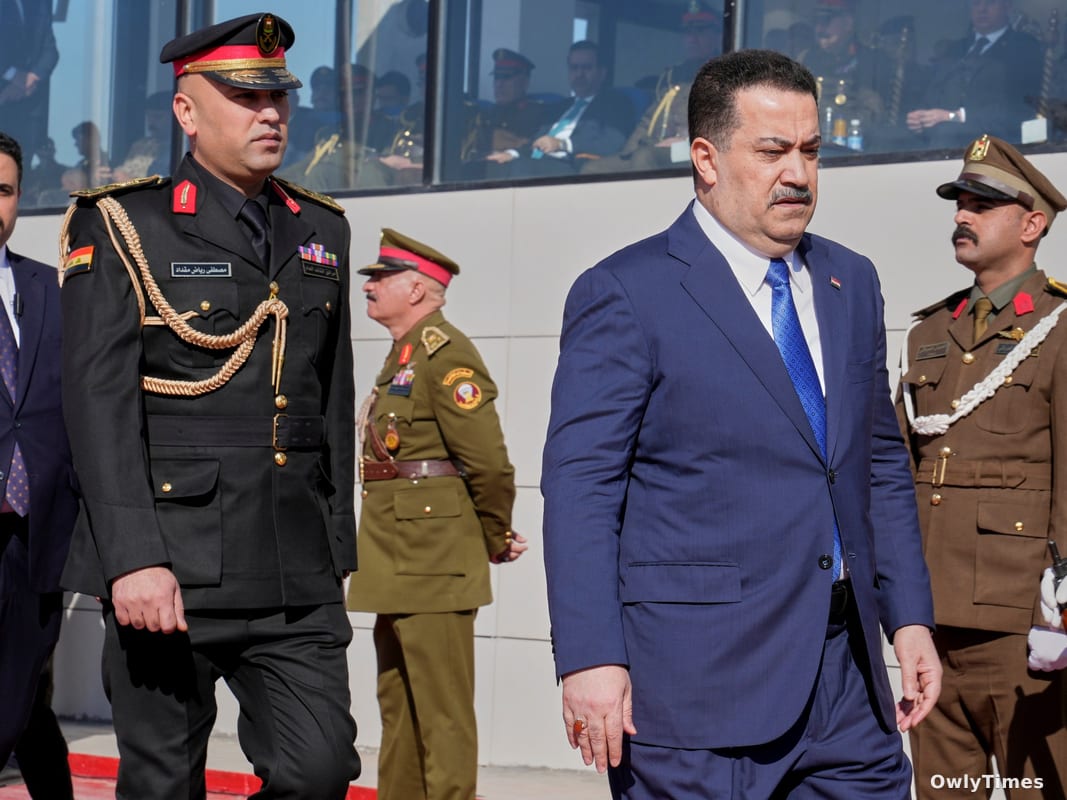
The strategic calculus here is clear. The Framework, which controls approximately 185 of the 329 seats in parliament, is searching for a “weak” candidate who can serve as a buffer against both the United States and the internal demands of political heavyweights like incumbent Mohammed Shia al-Sudani and former Prime Minister Nouri al-Maliki. By prioritizing a figure like Bassem al-Badri—who lacks the independent party base held by his rivals—the bloc’s leaders, including Qais al-Khazali of the Asa’ib Ahl al-Haq faction, are effectively moving to consolidate authority within the Framework itself, rather than within the office of the Prime Minister.
Who benefits and who loses in this standoff? The current winners are the architects of the bloc-based system who seek to neutralize the executive branch’s ability to act independently of the militias. The losers are the Iraqi citizenry, who are currently bearing the brunt of a 20 percent sales tax on mobile phone cards and import customs tariffs that have seen the cost of shipping a single container surge from roughly five million dinars ($3,800) to as much as 60 million ($45,662). The state’s reliance on oil for nearly 90 percent of its revenue makes the country exceptionally vulnerable to the looming expiration of a U.S. executive order in May, which currently protects Iraqi oil revenues held at the Federal Reserve Bank of New York from being frozen by international creditors.
This dynamic recalls the post-2003 era, where the Muhasasa power-sharing system—dividing the presidency among Kurds, the speakership among Sunni Arabs, and the premiership among Shia Arabs—was designed to prevent tyranny but has frequently resulted in total state inertia. Much like the legislative gridlock that defined the early years of the U.S.-led occupation, the current impasse reflects a deep-seated fear among political elites that any individual with genuine executive authority could disrupt the delicate balance of sectarian interests.
The recent unannounced visit by Ismail Qaani, head of the Quds Force, underscores that Tehran views the Iraqi premiership as a secondary concern compared to the broader existential threat of the ongoing US-Israel conflict. By mediating through Falih al-Fayadh, chairman of the Popular Mobilisation Forces (PMF), the Iranian establishment is signaling that it prefers a compliant, hollowed-out administration over a strong prime minister who might be forced to pivot toward Washington to secure the country’s financial solvency.
The political chess move to watch is the April 26 constitutional deadline for the nomination of a prime minister. With the Framework’s general secretariat struggling to reach the required two-thirds majority, the next reading of the Iraqi government’s ability to secure its oil revenue protections will indicate whether the political class will prioritize the preservation of the state’s financial lifeline or continue to gamble on a leadership vacuum to satisfy their regional patrons.