
Are We Witnessing the Deliberate Erasure of a Culture?
It’s easy to get lost in the geopolitical chess game of the ongoing conflict between the United States and Israel and Iran. We hear about military targets, strategic assets, and escalating tensions. But what if the real story isn't about missile strikes and retaliatory measures—it's about the systematic dismantling of a nation's cultural and intellectual identity? The sheer scale of damage to Iranian heritage sites, universities, and libraries, as documented by Iranian officials and corroborated by independent investigations, suggests a deliberate strategy far beyond simply neutralizing military capabilities.
The war, which began with a devastating attack on the Shajareh Tayyebeh elementary girls’ school in Minab on February 28, resulting in the deaths of at least 170 children, immediately raised questions about the proportionality of the response. While President Donald Trump initially denied US involvement in the school attack, investigations by Al Jazeera and Amnesty International pointed to the use of a US-manufactured Tomahawk missile, fueling accusations of a deliberate targeting of civilians. This initial tragedy has been followed by a relentless assault on the very foundations of Iranian society.
Drawn from Al Jazeera.
Why Memphis Manufacturers Are Watching Closely
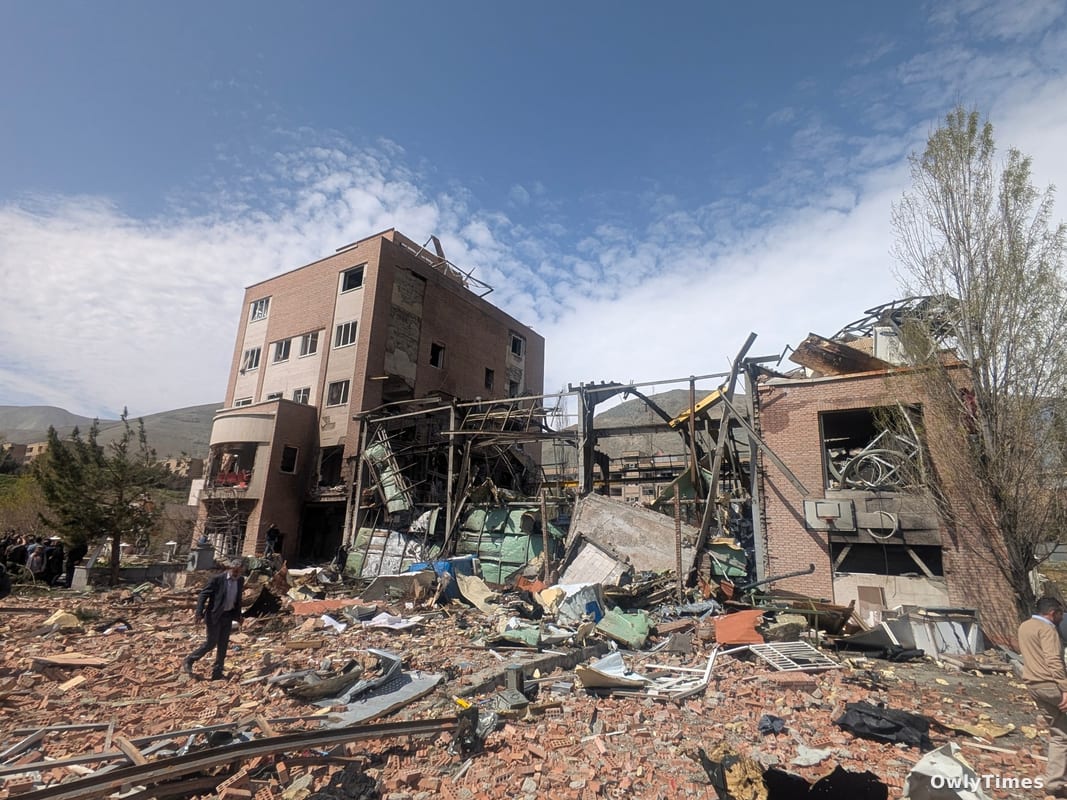
The destruction isn't limited to a few isolated incidents. According to Iran’s Ministry of Science and Technology, at least 30 universities have been hit since February 28. The Iran University of Science and Technology (IUST) and the Laser and Plasma Research Institute of the Shahid Beheshti University have suffered particularly severe damage, with the latter reportedly bombed by US and Israeli warplanes on April 4. Hossein Simaei Saraf, Iran’s minister of science, research and technology, highlighted the decades-long targeting of Iranian scientists, referencing the assassinations of professors during the 2025 war, and declared, “Attacking universities and research centres means returning to the Stone Age.” This echoes Trump’s earlier threat to bomb Iran “back to the Stone Ages,” revealing a chilling willingness to disregard the value of intellectual capital.
The attacks extend beyond academia. At least 56 heritage sites, including the Golestan Palace, the Grand Bazaar of Tehran, and the Falak-ol-Aflak Castle in Khorramabad, have been damaged. Even the Pasteur Institute, a century-old institution collaborating with the Institut Pasteur in Paris and vital for vaccine production, has been targeted. Reza Salehi Amiri, Iran’s minister of culture and tourism, described these actions as a “deliberate and conscious attack” on Iranian identity, a sentiment echoed by Christopher Featherstone, associate lecturer of politics and international relations at the University of York, who noted the shift in US rhetoric towards normalizing such attacks.
The UNESCO Silence and a Troubling Pattern
The international community’s response, or lack thereof, is particularly troubling. While UNESCO has confirmed verifying damage to heritage sites and provided geographical coordinates to all parties to avoid such destruction, the organization’s intervention appears limited. Ali Vaez, International Crisis Group’s Iran project director, believes the US and Israel are attempting to turn Iran into a “failed state” by destroying its industrial and educational capacity. This strategy isn't unprecedented. The destruction of the Iraq Museum and National Library in Baghdad during the 2003 invasion, and the ongoing destruction of heritage sites in Gaza, demonstrate a disturbing pattern of disregard for cultural preservation in conflict zones.
The scale of the destruction in Gaza, where nearly 200 heritage sites have been damaged since October 2023, including the Byzantine Church of Jabalia and the Great Omari Mosque, underscores the potential for cultural erasure in modern warfare. The deliberate targeting of these sites, coupled with the ongoing conflict, raises serious questions about the protection of cultural heritage in the region.
Beyond the Headlines: What This Means for Ordinary Iranians
This isn't just about historical monuments or academic institutions; it's about the future of Iranian society. The loss of libraries means diminished access to knowledge for ordinary citizens. The destruction of universities cripples the nation’s ability to innovate and educate future generations. The targeting of cultural sites erodes a sense of national identity and collective memory. For the families of the children killed in the Minab school attack, and for the scientists and researchers whose labs have been reduced to rubble, the consequences are devastating and irreversible.
The justifications offered by the US and Israel—that these are military targets—ring hollow when considering the scale and nature of the damage. While military facilities may be located near cultural or educational institutions, the extent of the destruction suggests a broader, more insidious goal.
What to Watch For: The Next Phase of Cultural Warfare
The immediate question is whether the international community will finally intervene to protect Iranian cultural heritage. Will UNESCO take a more assertive role, or will it continue to passively document the destruction? More importantly, we need to watch for a shift in the narrative. As the conflict continues, will we see a concerted effort to further delegitimize Iranian culture and history, paving the way for even more aggressive actions? The destruction of cultural sites is rarely just about destroying buildings; it’s about destroying a people’s sense of self. And that’s a far more dangerous game than any military campaign.





