
The Paradox of Progress: Jefferson County’s Health Gains Alongside a Rising Mental Health Crisis
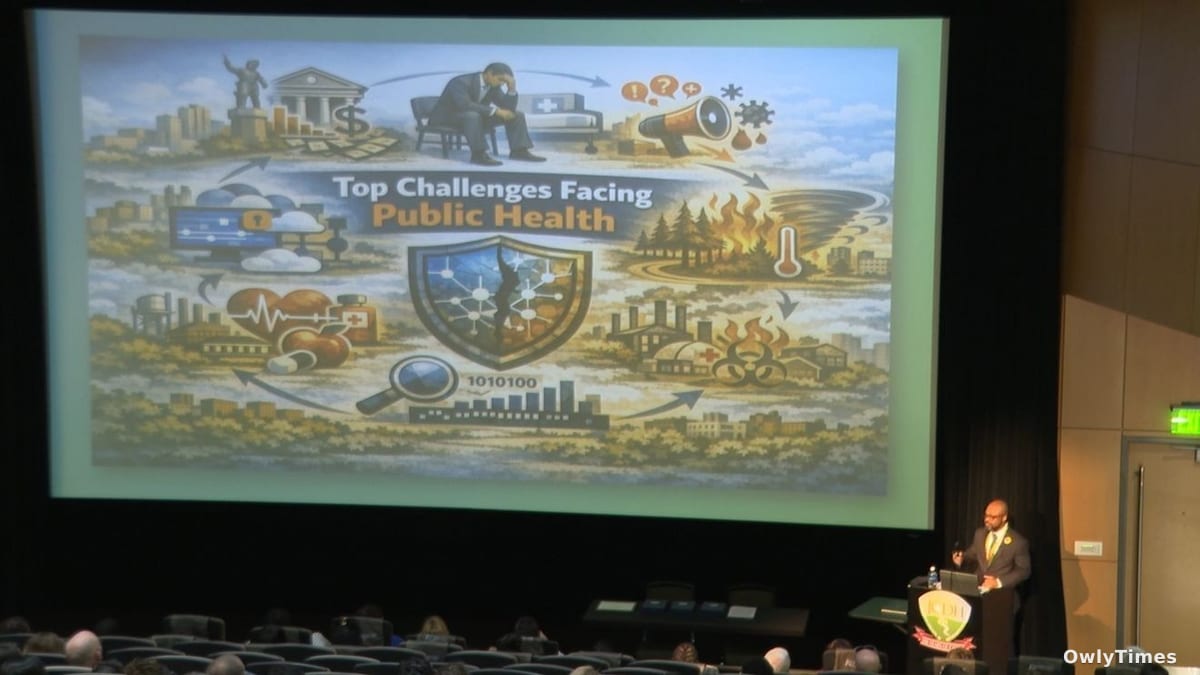
The narrative surrounding public health often focuses on quantifiable victories – declining mortality rates, reduced instances of disease. But a closer look at Jefferson County, Alabama, reveals a more nuanced picture. While indicators like infant mortality, opioid overdose deaths, and even homicide rates are demonstrably improving, Dr. David Hicks, Jefferson County Health Officer, underscored during Tuesday’s State of the County’s Health address that a significant challenge is not receding, but rather intensifying: the mental health of residents, particularly young people. This isn’t simply a case of one problem being overshadowed by others; it highlights a fundamental tension in public health – how do we celebrate progress while acknowledging, and aggressively addressing, emerging or persistent vulnerabilities? The county’s recent gains, achieved through strengthened collaboration between public health officials, nonprofits, and community partners, now exist alongside a growing need for mental health support that demands a similarly coordinated response.
Reporting from abc3340.com informs this analysis.
The data presented by the Jefferson County Department of Health paints a clear picture of positive momentum. Infant mortality rates are falling, a crucial metric reflecting maternal and child health, and opioid overdose deaths are down – a welcome reversal in a state heavily impacted by the opioid crisis. Homicides have also declined, suggesting a potential stabilization of community safety. Dr. Hicks was careful to frame these improvements not as definitive successes, but as “signals that we’re going in the right direction.” This cautious optimism is vital; public health interventions require sustained effort, and premature declarations of victory can lead to complacency. However, the simultaneous rise in mental health concerns introduces a critical layer of complexity. It suggests that even as we address immediate threats to physical well-being, a different kind of crisis is brewing, one that may not be immediately visible in traditional health statistics.
The focus on youth mental health is particularly noteworthy. While Dr. Hicks didn’t specify the exact increase in cases or diagnoses, the emphasis suggests a growing awareness and reporting of mental health challenges among younger residents. This could be attributed to several factors, including increased societal stress, the lingering effects of the COVID-19 pandemic, and a greater willingness among young people to seek help and discuss their mental health. The health department’s current strategy centers on raising awareness and promoting a free self-help resource, a valuable first step, but likely insufficient to address the scale of the problem. Mental health interventions often require specialized care, including therapy, medication, and ongoing support – resources that are frequently limited, particularly in underserved communities.
Adding another layer to this complex landscape is the recent decision by Central Alabama Water to discontinue adding fluoride to its system. Dr. Hicks rightly pointed out that water fluoridation is a “major public health achievement” in preventing tooth decay. The timing of this change is particularly concerning, given that Alabama already faces higher-than-average rates of untreated tooth decay in young children – over 20% of kindergarteners and nearly 25% of third graders. This isn’t merely a dental issue; poor oral health is linked to a range of systemic health problems, and disproportionately affects individuals with limited access to dental care. The removal of fluoride, therefore, risks exacerbating existing health disparities and placing an additional burden on vulnerable populations. It’s a stark example of how seemingly unrelated public health decisions can have cascading effects.
The interconnectedness of these challenges – the gains in traditional health metrics, the rising mental health crisis, and the potential impact of reduced fluoride exposure – underscores the need for a holistic and integrated approach to public health. Dr. Hicks emphasized the importance of continued collaboration, and the health department’s efforts to expand pediatric dental screenings are a positive step. However, the question remains: how will Jefferson County prioritize and fund mental health services to meet the growing demand? Will the county invest in expanding access to affordable mental healthcare, particularly for young people? And, crucially, will public health officials proactively monitor the impact of the fluoride reduction on dental health rates, and implement targeted interventions to mitigate any negative consequences? The coming years will reveal whether Jefferson County can translate its current momentum into sustained improvements in overall health, or if the rising tide of mental health concerns will ultimately undermine its progress.





