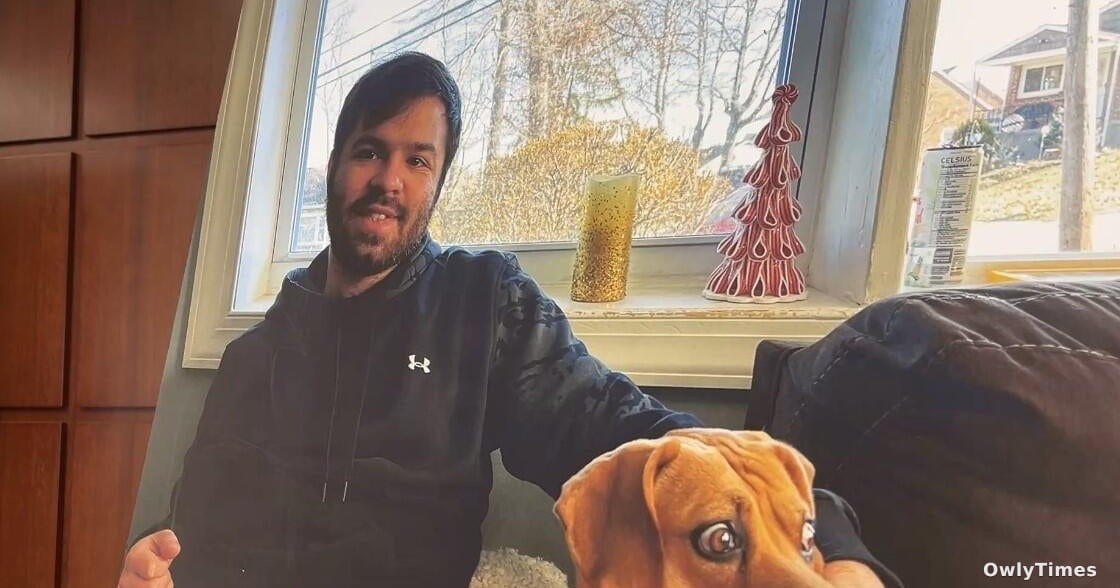

The increasing frequency with which law enforcement encounters individuals experiencing mental health crises demands a rigorous re-evaluation of response protocols, and a case unfolding in Baltimore County, Maryland, is bringing this need into sharp focus. The story of 27-year-old John Haley isn’t simply about a single incident, but about a systemic failure to prioritize de-escalation and mental health support when interacting with vulnerable individuals. While headlines report allegations of excessive force, the core issue is the disconnect between stated policy – Baltimore County’s emphasis on mental health training for officers – and the reality experienced by the Haley family, a reality documented in harrowing detail by body camera footage. This isn’t a question of “bad” policing, as Thomas Bundy III of Zealous Advocates argues, but of a system that, despite its stated intentions, defaults to a punitive rather than a supportive response.
The case centers around two encounters between John Haley and Baltimore County police officers in 2025. Helen Haley, John’s mother, initiated contact with the system precisely as she was advised: obtaining an emergency evaluation order and, during a subsequent crisis, calling 988, the national mental health lifeline. Yet, in both instances, the response escalated rapidly. The first encounter, in April 2025, involved officers entering the Haley home while John was locked in a bathroom under the protection of the evaluation order. According to attorney Jeremy Eldridge, body camera footage shows an officer punching John so forcefully that his head went through drywall, leading to charges of assault and resisting arrest – charges the family vehemently disputes. The second, and more devastating, encounter occurred in May 2025, after Helen Haley again contacted 988 when her son, experiencing a crisis and holding a knife, threatened self-harm. Despite a nearly hour-long wait, mental health professionals did not arrive; instead, police responded, ultimately tasing and shooting John more than a dozen times, leaving him paralyzed.
The narrative presented by the Haley family and their legal team directly challenges the Baltimore County Police Department’s public statements regarding its commitment to crisis intervention training. The department asserts that officers receive instruction in de-escalation, behavioral health, and interactions with individuals with intellectual and developmental disabilities. However, the body camera footage, and the sequence of events leading to John Haley’s paralysis, suggest a stark contrast. Helen Haley poignantly describes her son as “a terrified young man in crisis,” emphasizing his autism, anxiety, and communication difficulties. The footage, as described by Eldridge, captures John repeatedly stating, “Leave me alone. I don’t want to hurt anybody,” phrases indicative of a desperate plea for space and de-escalation, a technique explicitly taught in crisis intervention training. The fact that these pleas were met with force raises fundamental questions about the application of that training in real-world scenarios.
Original reporting: CBS News.
This case also highlights a troubling pattern identified by the Haley’s attorneys, and underscored by Maryland Attorney General Anthony Brown’s recent decision not to charge officers involved in separate fatal shootings last year. The attorneys argue that Baltimore County exhibits a “pattern and practice” of escalating encounters with individuals in crisis, rather than prioritizing de-escalation and mental health support. This isn’t simply a matter of individual officer misconduct, but a systemic issue requiring a comprehensive investigation, a request the family has formally submitted to the Maryland Office of the Attorney General. The department’s Internal Affairs investigation, while ongoing, is viewed with skepticism by the family, who claim subpoenaed records related to the case were never provided.
Beyond the immediate question of accountability for the officers involved, the Haley case raises critical questions about the efficacy of 988 in Baltimore County. The failure of mental health professionals to respond to Helen Haley’s call on May 15th, despite the urgency of the situation, underscores a potential gap in the system’s ability to deliver timely and appropriate care. Furthermore, the family’s experience of being denied visitation to John for 30 days following the shooting, delaying crucial medical care and recovery, reveals a further layer of systemic failures. The ongoing presence of bullets in John’s body, and the associated risk of poisoning, adds a particularly urgent dimension to the need for accountability and access to appropriate medical treatment.
Looking ahead, the Attorney General’s re-evaluation of the case is paramount. But even a thorough investigation and potential disciplinary action won’t address the underlying systemic issues. The crucial question now is: what concrete steps will Baltimore County take to ensure that 988 is adequately staffed and responsive, and that officers are consistently applying de-escalation techniques when encountering individuals in mental health crisis? Will the county invest in co-responder models, pairing law enforcement with mental health professionals on all crisis calls? And, perhaps most importantly, will the county prioritize a shift in mindset, moving away from a default response of force and towards a model of compassionate, trauma-informed care? The Haley family’s ordeal serves as a stark warning: without meaningful change, more individuals with mental health needs will find themselves caught in a system that prioritizes control over care, with potentially devastating consequences.





