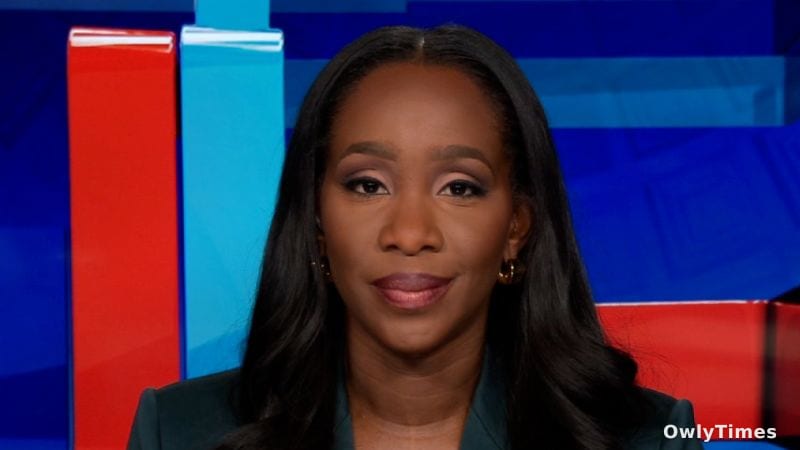

The current flurry of political activity – from stalled border deals to Republican infighting and a looming presidential election – isn’t simply a series of isolated events. It’s a strategic realignment, a calculated effort by both parties to redefine the boundaries of the electorate and consolidate power ahead of November. The recent commentary surrounding Reverend Jesse Jackson’s legacy, as highlighted by CNN’s Abby Phillip, isn’t nostalgic remembrance; it’s a pointed reminder of a political archetype – the coalition builder focused on economic justice – that the Democratic Party is struggling to replicate, and the Republican Party is actively attempting to dismantle.
Phillip’s analysis, drawn from her book “A Dream Deferred: Jesse Jackson and the Fight for Black Political Power,” underscores a critical point: Jackson’s two presidential campaigns weren’t merely symbolic. They fundamentally reshaped the Democratic base, bringing in working-class voters and prioritizing economic issues alongside civil rights. He “laid the groundwork for the next three decades of Democratic politics,” as Phillip states, but that groundwork is now fracturing. The current Democratic strategy, evidenced by President Biden’s attempts to shore up support with Black voters, feels less like building a new coalition and more like damage control – a reactive measure to prevent erosion rather than proactive expansion. A recent CNN report noted a GOP strategist believes Biden’s speech may have “stopped the bleeding” with Black voters, but not enough, revealing the fragility of that core constituency.
This fragility is directly linked to the economic anxieties that Jackson so effectively tapped into. While the official unemployment rate remains low, the lived experience for many working-class voters – particularly those without a college degree – is one of stagnant wages and rising costs. This disconnect creates an opening for populist appeals, and we’re seeing that play out on both sides of the aisle. Donald Trump’s continued dominance within the Republican Party, despite his legal challenges and controversial rhetoric, speaks to his ability to connect with voters who feel left behind by the economic establishment. The report that a former investment banker believes Trump could be forced into bankruptcy, while potentially damaging, could even strengthen his appeal to this demographic, framing him as a victim of the same system they resent.
This article draws on reporting from CNN.
The Republican Party’s internal struggles, exemplified by the dissent surrounding the bipartisan border security deal – with figures like Senator Rubio facing pressure and Representative Crenshaw openly criticizing his colleagues – aren’t about policy disagreements in isolation. They’re about a power struggle between traditional conservatives and the Trump wing of the party. The deal’s failure isn’t a loss for border security; it’s a win for those who prioritize maintaining a narrative of chaos and division, a narrative that benefits Trump by allowing him to position himself as the only one capable of “fixing” the problem. The fact that Representative Santos refuses to vote for a registered Democrat, even on issues with broad bipartisan support, illustrates the depth of this partisan entrenchment.
Historically, moments of economic insecurity and political polarization often lead to realignment elections – elections where the existing party coalitions crumble and new ones emerge. The 1932 election, which saw Franklin D. Roosevelt forge a new Democratic coalition of urban workers, farmers, and Southern whites, is a prime example. The current situation bears striking similarities. The question now is whether the Democratic Party can rediscover the coalition-building skills of figures like Jesse Jackson, or whether the Republican Party will successfully exploit the economic anxieties and cultural divisions to solidify its own power. The next political chess move to watch isn’t a specific vote or policy announcement, but rather the outcome of the South Carolina primary and how each candidate adjusts their messaging – and their coalition strategy – in response. Will either party genuinely address the economic concerns of working-class voters, or will they continue to rely on divisive rhetoric and symbolic gestures?





