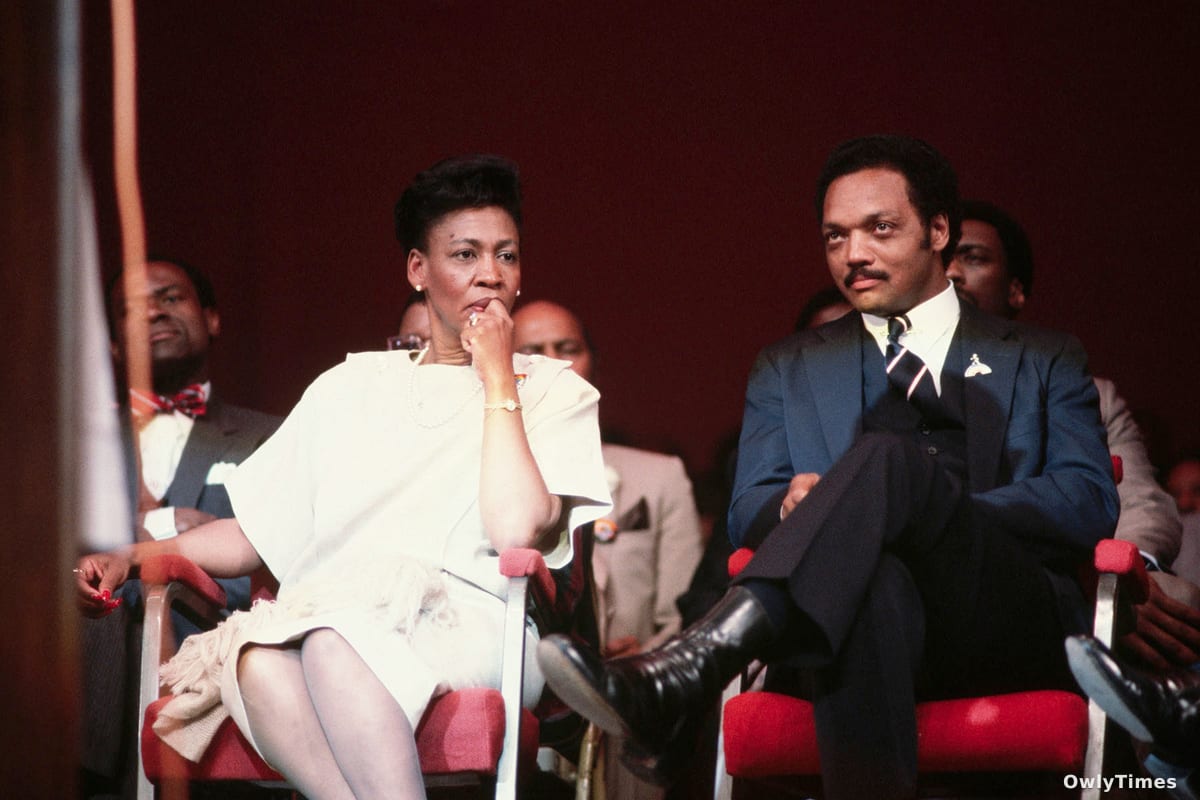

The Strategic Inheritance of Jesse Jackson: Beyond the Rainbow Coalition
The death of Jesse Jackson at 84 isn’t simply the passing of a civil rights icon; it marks the closing of a chapter in a deliberate, decades-long project to fundamentally alter the calculus of American political power. Jackson didn’t just participate in the Civil Rights Movement – he strategically leveraged its momentum to build a new Democratic coalition, one that prioritized the enfranchisement and leadership of constituencies historically excluded from national politics. This wasn’t accidental; it was a calculated effort to shift the center of gravity within the party, and the subsequent rise of Black women in Democratic politics is the clearest evidence of its success.
Source material: 19thnews.org.
The story of Leah Daughtry’s early exposure to Jesse Jackson – a six-year-old witnessing a boycott, a Dartmouth student recruited to New Hampshire – isn’t anecdotal. It’s illustrative of Jackson’s method: identifying and cultivating emerging leaders, particularly within the Black community, and providing them direct access to the levers of political power. This wasn’t mentorship for its own sake; it was a deliberate expansion of the talent pool, a recognition that the existing political infrastructure wasn’t adequately representing, or even looking for, capable leaders from marginalized groups. The trust he placed in young organizers like Daughtry, as she recalls, wasn’t simply generosity, but a strategic investment in future political capital.
Jackson’s two presidential bids – in 1984 and 1988 – were, in many ways, secondary to the primary goal of voter registration and coalition-building. While he didn’t win the presidency, he fundamentally reshaped the Democratic Party’s base. He registered millions of new voters, creating what became known as the Rainbow Coalition – a diverse alliance of Black voters, women, young people, and the working class. This wasn’t simply adding demographics to the existing electorate; it was creating a new electorate, one that demanded to be heard and represented. The 1984 and 1988 campaigns weren’t about winning in the short term, they were about establishing a permanent shift in the party’s center of gravity. This parallels the long-term strategy employed by figures like Martin Luther King Jr., who understood that achieving legal rights was only the first step towards genuine political power.
Who benefits and who loses from this legacy? The clear beneficiaries are Black women, who have steadily risen in prominence within the Democratic Party and American politics more broadly. Figures like Donna Brazile, the first Black woman to manage a major party presidential campaign, and Minyon Moore, the first Black woman director of White House political affairs under Bill Clinton, are direct products of Jackson’s mentorship and the opportunities he created. The losers, arguably, are those within the Democratic establishment who previously controlled access to power and influence. Jackson’s coalition challenged the existing power structures, forcing the party to become more inclusive and responsive to the needs of a broader electorate. This tension – between the established guard and the rising forces of a more diverse electorate – continues to play out within the Democratic Party today.
The emphasis on coalition-building, as highlighted by Melanie Campbell and Glynda Carr, is particularly relevant in the current political climate. Jackson’s “quilt” metaphor – the idea that strength lies in bringing together diverse communities – feels increasingly urgent in a deeply polarized nation. However, the challenge remains: building a truly cohesive coalition requires addressing the underlying economic and social inequalities that divide these communities. Jackson understood this, and his focus on the “working poor, the working class, and the middle class” reflects a commitment to economic justice alongside racial and gender equality. The current Democratic focus on identity politics, while important, sometimes feels disconnected from the material concerns of working-class voters, a potential vulnerability that Jackson would have recognized.
The 2024 Democratic National Convention, with Kamala Harris accepting the party’s nomination and Jesse Jackson receiving a standing ovation, was a symbolic full-circle moment. But symbolism alone isn’t enough. The political chess move to watch next isn’t whether the Democratic Party will continue to pay lip service to Jackson’s legacy, but whether it will actively invest in the kind of grassroots organizing and economic policies that would truly honor his vision. Specifically, will the party prioritize policies that address economic inequality and empower working-class voters of all races and backgrounds, or will it continue to rely on a coalition built primarily on identity? The answer to that question will determine whether Jackson’s strategic inheritance endures, or fades into historical nostalgia.





