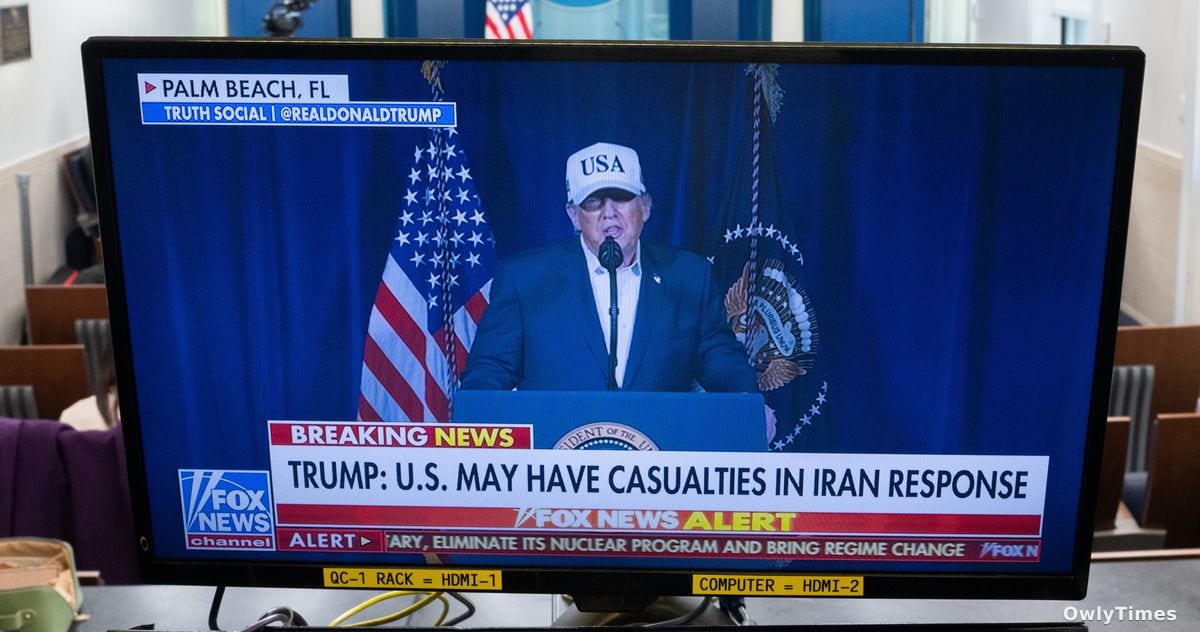

The calculus behind President Trump’s decision to launch strikes against Iran wasn’t about preventing an imminent attack, but about recalibrating his political standing through a demonstration of force. Facing a deeply skeptical electorate and a fracturing coalition, the strikes – executed in concert with Israel – represent a high-stakes gamble to redefine his presidency. The initial public reaction, as captured in early polling, reveals a fractured landscape, but the critical question isn’t current support, it’s whether Trump can manufacture consent for a prolonged engagement. This isn’t a spontaneous escalation; it’s a calculated attempt to leverage foreign policy for domestic gain, a tactic with a long and often treacherous history.
The Shifting Sands of Public Opinion
The immediate aftermath of the strikes saw a predictable partisan split. While a majority of Republicans (55% in the Reuters-Ipsos poll) initially supported the action, the broader American public was far more divided, with 43% opposing it. More telling, however, is the significant uncertainty among independents (38% unsure) and even within the Republican base (32% unsure). This hesitancy isn’t simply about a lack of information – the CBS News poll preceding the strikes showed 68% of Americans, including 38% of Republicans, felt Trump hadn’t adequately explained the potential need for military action. This pre-existing skepticism underscores the challenge Trump faces in rallying public support beyond his core constituency. The numbers aren’t simply about “support” or “opposition”; they’re about a public primed to be unconvinced, demanding justification that hasn’t been forthcoming.
This piece references the nymag.com report.
A Historical Echo: Rally ‘Round the Flag?
The hope, from the Trump administration’s perspective, is likely a “rally ‘round the flag” effect, a phenomenon observed throughout American history. Following the attack on Pearl Harbor in 1941, public support for entering World War II surged from 37% to 84% in a matter of days. Similarly, the first Gulf War in 1991 saw President George H.W. Bush’s approval ratings jump nearly 30 points in the weeks following the launch of Operation Desert Storm. However, these historical precedents are contingent on swift, decisive victories and limited American casualties. The Vietnam War, a protracted and costly conflict, demonstrates the dangers of a prolonged engagement that fails to deliver a clear outcome. The current situation, with Iran already signaling retaliation and the potential for regional escalation, bears a closer resemblance to the latter scenario than the former.
Who Benefits and Who Loses?
The immediate beneficiaries of this escalation are arguably Israeli Prime Minister Benjamin Netanyahu, who gains a powerful ally in confronting Iran, and the defense industry, poised to profit from increased military spending. Within the U.S., Trump hopes to benefit politically, diverting attention from domestic challenges like the economy and ongoing legal battles. However, the potential losers are numerous. The global economy faces increased instability due to disruptions in oil supplies. Regional allies, particularly those caught in the crossfire, are at risk. And, crucially, the American public could ultimately bear the cost of a prolonged and costly war. The “America First” rhetoric rings hollow when weighed against the potential for a wider conflict that draws the U.S. deeper into the Middle East.
The Persuadable Voter: The Key to Trump’s Strategy
While the partisan base will largely remain loyal, the true battleground lies with the swing voters who propelled Trump back into office in 2024, but have since expressed growing dissatisfaction. These voters, according to polling data, are particularly sensitive to issues of clarity, cost, and outcome. Trump’s initial messaging – a rambling justification encompassing revenge, nuclear proliferation, and regime change – failed to provide that clarity. His success hinges on five key elements: a clear articulation of war aims, initial military success, minimal American casualties, a perceived achievement of those aims, and a limited duration of the engagement. He’s currently benefiting from the first two, but the remaining three remain precarious unknowns.
The political chess move to watch next isn’t a military maneuver, but a communication strategy. Will Trump attempt to define a coherent and compelling narrative for this war, or will he continue to rely on vague pronouncements and appeals to nationalist sentiment? The answer will determine whether this escalation becomes a political lifeline or a catastrophic miscalculation.





