
The Calculus of Dissent: Kent’s Resignation and the Shifting Iran Policy
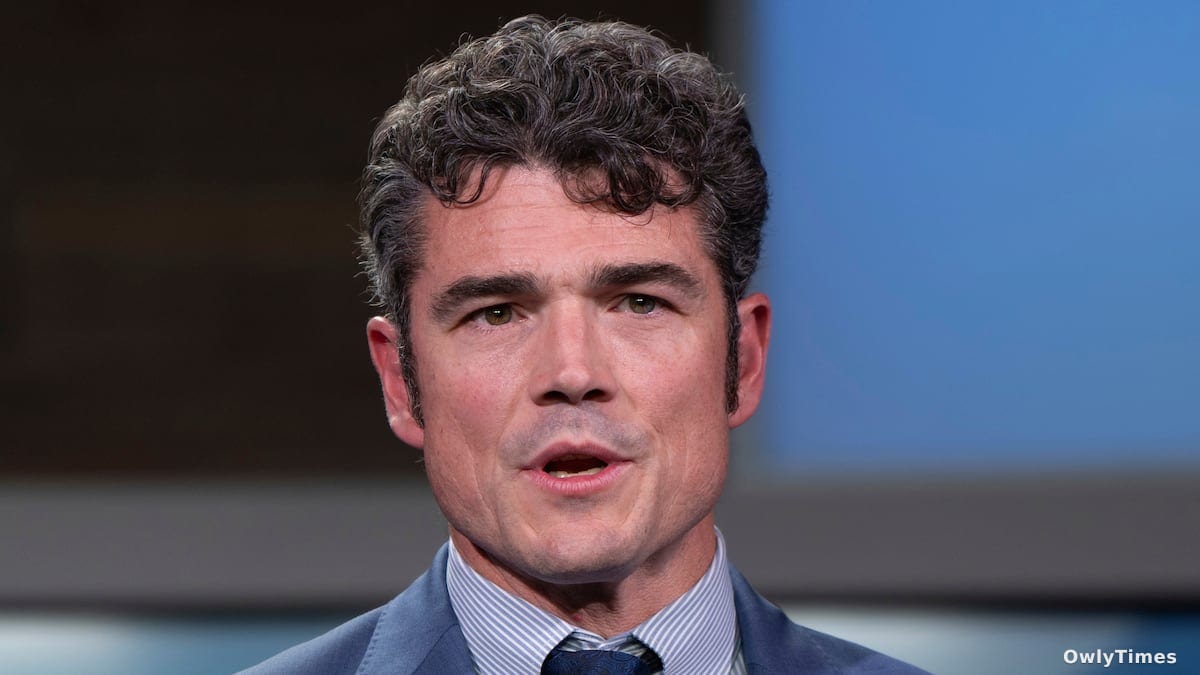
Joe Kent’s resignation as Director of the U.S. National Counterterrorism Center on March 17, 2026, isn’t simply a personnel change; it’s a calculated signal of fracture within the Trump administration regarding its escalating involvement in Iran. Kent, a veteran and two-time unsuccessful congressional candidate, publicly stated his inability to support the administration’s policy, citing that Iran “posed no imminent threat to our nation.” This isn’t a spontaneous act of conscience, but a strategically timed departure designed to publicly pressure the administration and potentially galvanize opposition from within the national security apparatus. The timing, following two failed congressional bids, suggests Kent is positioning himself as a dissenting voice, potentially laying groundwork for future political endeavors predicated on a non-interventionist foreign policy.
The immediate context is the surge in national gas prices, currently averaging $3.71 per gallon nationally, with Oregon facing a significantly higher $4.48 – a direct consequence of the instability fueled by the conflict in Iran. This economic pressure is a key vulnerability for the administration, and Kent’s resignation amplifies the narrative that the war is not justified by a genuine security threat. Who benefits and who loses here is stark: the administration loses a key official, potentially signaling internal discord to allies and adversaries alike; Kent gains a platform to re-establish himself as a principled conservative voice; and the American public, already feeling the pinch at the pump, faces a heightened sense of uncertainty. The administration’s response – or lack thereof – will be crucial in determining whether this becomes a contained personnel issue or a broader political crisis.
This situation echoes historical precedents of high-ranking officials resigning in protest over foreign policy decisions. Consider George Kennan’s dissent within the State Department during the Vietnam War, or Daniel Ellsberg’s leak of the Pentagon Papers. While the circumstances differ, the underlying dynamic is consistent: individuals within the system utilizing their positions – and ultimately, their resignations – to challenge what they perceive as misguided or unethical policy. However, unlike Ellsberg’s outright leak, Kent’s move is more subtle, a public declaration of disagreement intended to shape the debate rather than reveal classified information. This suggests a calculated attempt to influence public opinion without triggering immediate legal repercussions.
Source material: opb.org.
Beyond the immediate geopolitical implications, the Kent resignation intersects with ongoing domestic political tensions in the Pacific Northwest. Kent’s previous congressional runs in Southwest Washington, though unsuccessful, established him as a figure within the regional conservative movement. His critique of the Iran war resonates with a segment of the electorate wary of foreign entanglements, and his departure could energize anti-war sentiment in a region already grappling with economic anxieties. Simultaneously, the proposed 200-megawatt battery storage facility in Washington County, adjacent to the Tualatin River National Wildlife Refuge, highlights a different kind of tension – the conflict between renewable energy development and environmental preservation. This project, championed by a Florida-based developer, is facing opposition from local environmental advocates concerned about the impact on migratory birds, demonstrating the complex trade-offs inherent in the transition to a green economy.
The administration’s recent appeal of restrictions on tear gas use near the Portland ICE building further underscores a pattern of prioritizing security concerns over civil liberties, a policy that has consistently drawn criticism from local activists and lawmakers. This appeal, coupled with reports of Oregon lawmakers missing over one-third of session votes, paints a picture of a state government struggling to address pressing issues amidst broader political dysfunction. Even seemingly unrelated local stories, like the 50th anniversary of Mill Ends Park, Portland’s famously tiny park, serve as a reminder of the city’s unique character and its residents’ enduring commitment to community, a sentiment that often clashes with the top-down policies emanating from Washington D.C.
The political chess move to watch next isn’t whether the administration will publicly address Kent’s concerns – they likely won’t. It’s whether other national security officials, particularly those with established reputations for independent thought, will follow suit. A cascade of resignations, even from lower-level positions, would signal a systemic breakdown in trust and a fundamental challenge to the administration’s authority on Iran. The question isn’t simply if the war in Iran will escalate, but how the administration will manage the growing internal dissent as it does so.





