
The Calculus of Association: Kerrey’s Resignation and the Expanding Epstein Network
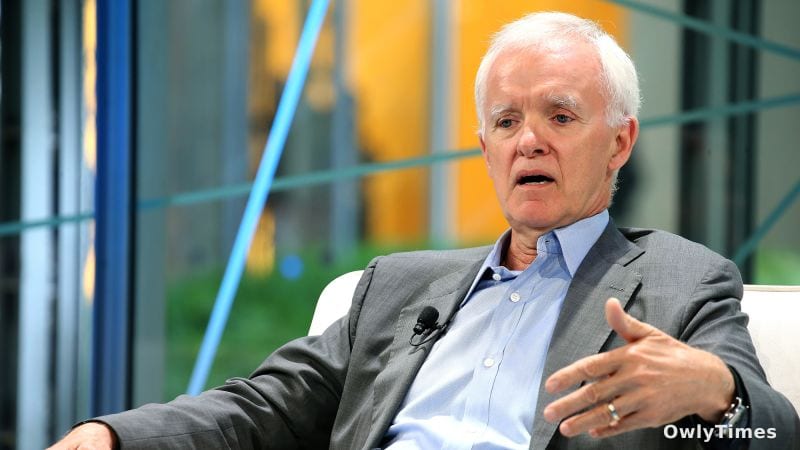
Bob Kerrey’s resignation from the board of Monolith, a Nebraska clean-energy startup, isn’t simply about a politician distancing himself from a scandal; it’s a calculated move to protect a strategically important company at a moment when capital markets are increasingly sensitive to reputational risk. Kerrey’s decision, confirmed in a CNN interview, to step down to avoid “messing up” Monolith’s success reveals a clear understanding of how perceived association – even with no legal wrongdoing – can cripple a company’s ability to attract investment and secure crucial permits. The timing is particularly acute for Monolith, which is actively fundraising and seeking approvals for data center construction, projects heavily reliant on public and private confidence.
Source material: CNN.
The release of the Jeffrey Epstein files by the US Justice Department acted as the catalyst, revealing that Kerrey arranged meetings with Epstein in the summer of 2013, years after Epstein’s 2008 guilty plea for procuring a minor for prostitution. While Kerrey maintains the meetings were related to supporting a university – specifically, The New School where he was president emeritus – the optics are damning, particularly for a company positioning itself as a leader in “advanced, more sustainable” manufacturing. The New School itself issued a statement acknowledging the interactions but asserting they were “limited and unrelated to the activities of The New School,” a carefully worded response designed to contain potential fallout. This incident highlights a growing trend: the retroactive application of reputational damage, where past associations, even those predating current ethical standards, are now subject to intense scrutiny.
Who benefits and who loses in this scenario? Monolith, demonstrably, benefits from Kerrey’s removal, potentially preserving access to capital and regulatory approvals. Kerrey, while sacrificing a board seat, attempts to salvage his reputation and frames the resignation as a pragmatic decision. The Nebraska Republican Party, however, immediately seized on the news, calling for the return of all contributions from Kerrey – a predictable move designed to energize the base and paint Democrats as morally compromised. This illustrates a broader political dynamic: the weaponization of association, where even tangential links to controversial figures are used to discredit opponents. The call for donation returns, while likely yielding a modest financial impact, serves a potent symbolic purpose.
Historically, this pattern of distancing and denunciation echoes the fallout from the Charles Keating scandal in the late 1980s and early 1990s. Keating, a savings and loan executive, leveraged political connections to avoid regulatory oversight, ultimately leading to a massive financial crisis. Politicians who had accepted contributions from Keating faced intense public pressure and were forced to return the funds, damaging their reputations even if they hadn’t directly participated in the fraud. The Kerrey situation, while lacking the scale of the Keating scandal, shares the same core dynamic: the erosion of trust stemming from perceived conflicts of interest and the retroactive judgment of past associations. The difference now is the speed and reach of information dissemination, amplified by the release of the Epstein files and the relentless scrutiny of social media.
Kerrey himself attempted to reframe the narrative, arguing that the focus should be on Epstein’s crimes against children, not on meetings that took place “15 years ago.” He also challenged Republicans to apply the same moral scrutiny to their own associates who may have interacted with Epstein. This is a calculated deflection, attempting to broaden the scope of the scandal and diminish the focus on his own actions. However, it also reveals a tension: Kerrey acknowledges a “lack of moral judgment” while simultaneously downplaying the significance of the meetings. This contradiction underscores the difficulty of navigating the ethical minefield created by the Epstein revelations.
The Nebraska-based Monolith is currently focused on raising capital and securing permits for data center construction, a sector attracting significant investment but also facing increasing environmental and regulatory hurdles. The company’s success hinges on demonstrating both technological innovation and responsible corporate citizenship. Kerrey’s continued involvement, given the Epstein connection, presented a clear impediment to achieving that goal. The question now is whether this move is sufficient to insulate Monolith from further scrutiny, or if the association will continue to cast a shadow over its future prospects. The political chess move to watch next is whether other board members or investors at Monolith, or at other companies linked to Epstein through individuals like Kerrey, will preemptively distance themselves to mitigate potential damage.





