
Modern life science research is currently trapped in a cycle of digital fragmentation. For years, laboratories have functioned by stitching together incompatible point solutions—using one tool for electronic notebooks, another for sample management, and a third for molecular biology workflows—often held together by fragile spreadsheets and manual data transfers. This patchwork approach is no longer just a minor administrative annoyance; it is a structural impediment to the high-fidelity, AI-ready data required for modern R&D. The core question facing lab managers today is whether the industry can move beyond these disconnected silos toward a truly unified digital environment that satisfies both bench scientists and regulatory auditors.
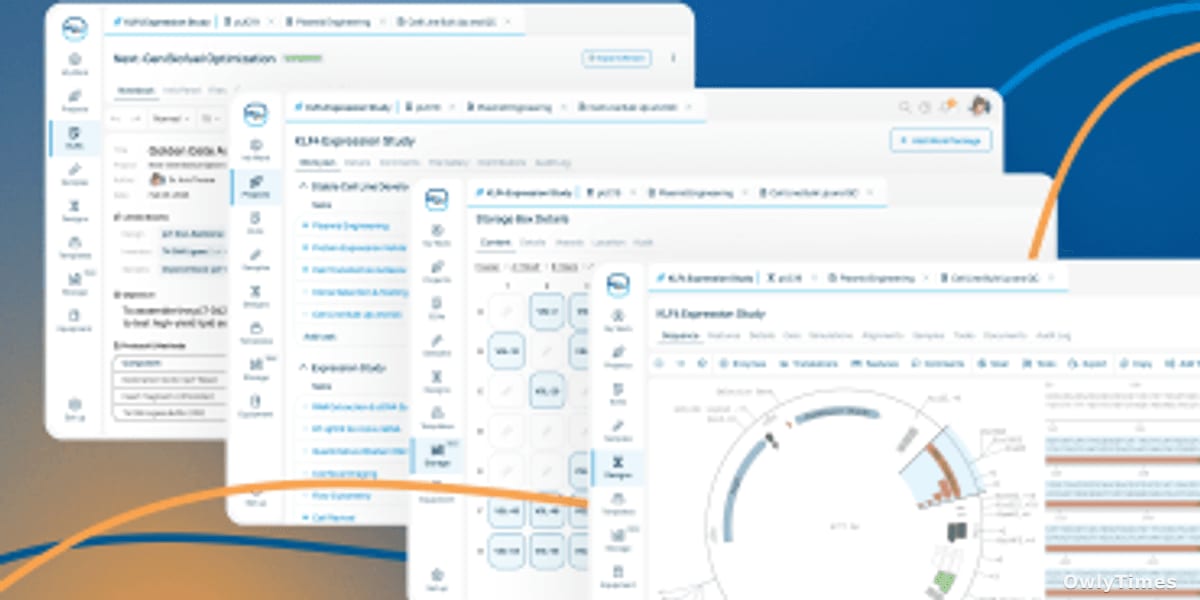
On April 30, UK-based Lab Thread Ltd officially entered this competitive arena with the commercial release of its Unified Lab Software Platform. The platform arrives following a deliberate incubation period, including a beta phase that began in December 2025 and the release of a free academic tier in March 2026. By bundling electronic lab notebook (ELN), laboratory information management system (LIMS), and molecular biology tools into a single, cloud-based environment, the company is positioning itself as a direct solution to the “silo problem” that has long defined lab informatics.
While headlines often celebrate the mere existence of “unified” software, the reality for lab managers is more nuanced. The study of market trends suggests that the global laboratory informatics sector is undergoing a massive shift, projected to grow from USD 3.95 billion in 2025 to approximately USD 5.22 billion by 2034. This growth is heavily predicated on the adoption of SaaS-based integration. However, the true value of a platform like Lab Thread lies not in its ability to host multiple features under one login, but in its ability to satisfy the ALCOA+ data integrity framework. Demonstrating that records are original, accurate, and consistent is significantly more difficult when experimental data must be manually moved between disconnected systems.
Lab Thread differentiates its offering by focusing specifically on biological research workflows, such as in silico simulations of PCR reactions, primer design, and DNA sequence viewing. This is a deliberate departure from generalist LIMS vendors that often prioritize pharmaceutical quality control or clinical environments. Dr. Ryan Cawood, co-founder and CEO, and CTO Deyan Sultov have framed this launch as a necessary evolution for the R&D spectrum, aiming to bridge the gap between bench-level data capture and C-suite decision-making.
Despite the technical promise, there are important limitations for prospective users to consider. The current documentation leaves several critical questions unanswered, particularly regarding formal compliance certifications such as 21 CFR Part 11 or ISO 17025, which are non-negotiable for labs operating under strict regulatory oversight. Furthermore, the platform’s ability to integrate with the wide variety of external laboratory instruments found in established facilities remains an open variable. For any organization, the migration and validation burden associated with moving from legacy infrastructure to a new platform is a significant, tangible cost that must be weighed against the promised efficiency gains.
The next steps for this technology will be defined by how the platform performs under the stress of daily, high-throughput lab operations. Lab managers should look closely at whether the “unified” nature of the software allows for truly automatic, auditable data transfers between the ELN and LIMS layers, or if it still requires manual intervention. The upcoming metrics to watch will be the adoption rates within the academic sector—which currently has access to a free tier—and whether the company provides detailed documentation on its compliance alignment as the user base expands. Only by observing how these integrations hold up during actual regulatory audits will the industry know if Lab Thread has solved the fragmentation problem or simply moved it behind a new interface.





