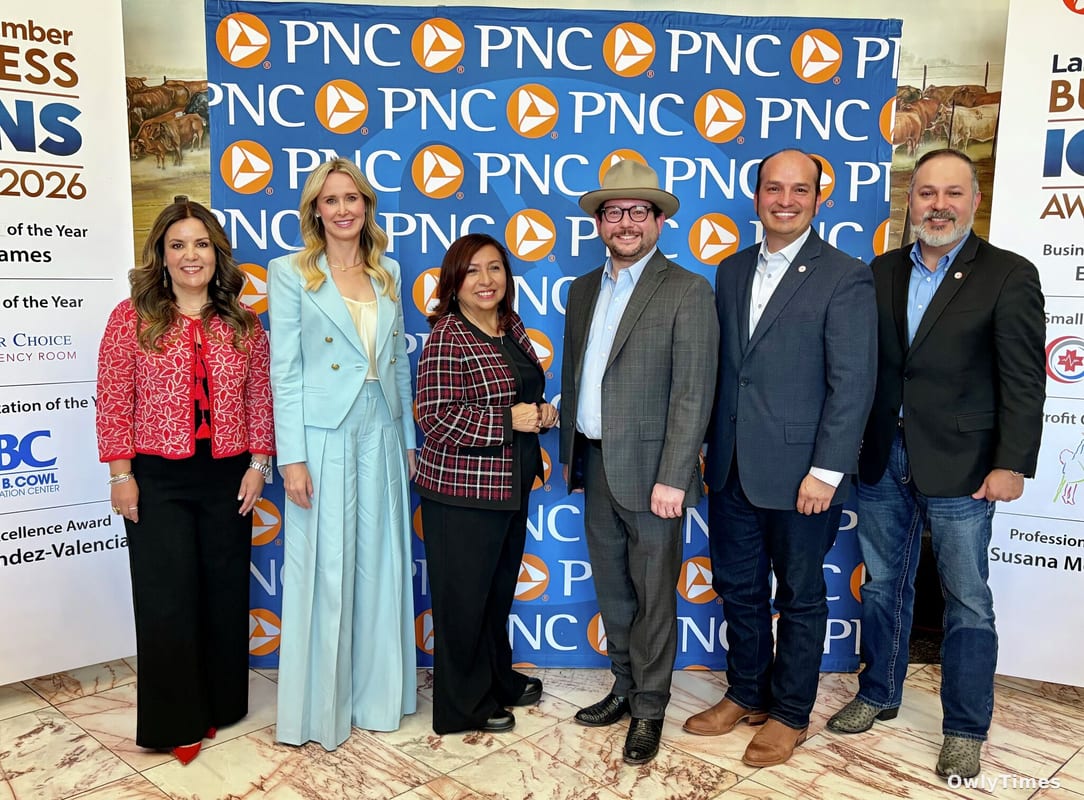

The true measure of a healthcare institution is often found not in its technological prowess, but in its ability to bridge the gap between clinical necessity and economic reality. In late March, the Laredo Chamber of Commerce underscored this philosophy by naming the Ruthe B. Cowl Rehabilitation Center (RBC) as the 2026 Nonprofit Organization of the Year. While the award serves as a public celebration of the center’s longevity, the scientific and operational reality of the organization reveals a complex model of care designed to serve a medically underserved region.
The narrative surrounding this recognition often focuses on the center’s six-decade history, but the underlying data suggests a more nuanced struggle to maintain high-acuity care in a resource-strained environment. Jacqueline Rodriguez, executive director of RBC, notes that the facility currently provides more than $500,000 annually in assisted medical therapy. This figure is a critical metric for the organization, acting as a financial buffer for uninsured and underinsured patients who would otherwise lack access to physical, occupational, or speech therapy. In a region where specialized clinicians are in limited supply, this subsidy is not merely philanthropic; it is a structural necessity to maintain the health of the local population.
The center’s operational methodology highlights a significant tension: the need to attract doctoral-level clinicians in a competitive market while adhering to a mission that prohibits turning away patients due to financial hardship. Unlike standard outpatient clinics that may rely on economies of scale, RBC operates as the only nonprofit outpatient rehabilitation facility within a 150-mile radius. This geographical monopoly places a heavy burden on the organization to act as a comprehensive safety net, incorporating social services—such as transportation and counseling—directly into the medical recovery process.
Regarding the technology currently in use, the center employs specialized systems such as the Vector gait and safety system and the AlterG anti-gravity treadmill. These tools provide dynamic body-weight support, which is essential for patients relearning mobility. While these systems are objectively advanced, the "what the study actually found vs. what headlines claim" caveat is necessary here: technological adoption does not automatically equate to superior patient outcomes without the requisite clinical expertise to manage them. The center’s success, therefore, is less about the hardware and more about the clinical coordination required to use it, particularly in complex, high-risk cases like those seen during the COVID-19 pandemic recovery.
Limitations to consider include the ongoing challenge of recruitment and retention in a medically underserved area. While the center has secured funding and community support to provide $500,000 in annual assistance, the sustainability of this model depends on balancing competitive salaries for staff against the rising demand for services. Any fluctuation in private donations or public funding from entities like the city of Laredo or Webb County could directly impact the center’s ability to maintain its current, high-tech standard of care.
Looking ahead, the next indicator of the center’s trajectory will be the successful launch and operational metrics of their planned satellite clinic in southern Webb County. This expansion serves as a measurable signal of the organization’s reach; the performance of this new facility will demonstrate whether the current model of integrated, subsidized care can be effectively scaled to reach even more isolated populations. The Laredo Chamber of Commerce will further mark this milestone during the Business ICONS Awards night at the Laredo Country Club on Thursday, May 14.





