
The neon glow of the Las Vegas strip is a fitting backdrop for the kind of seismic shift currently hitting the advertising world. At the Encore @ Wynn, the traditional boundaries of what constitutes a "campaign" are being dismantled, replaced by a mandate to capture the fluid, lightning-fast nature of modern attention. As the London International Awards (LIA) prepare to open the doors for their latest cycle, the industry is signaling that the era of the passive viewer is officially dead.
A New Mandate for Creative Impact
The decision to revamp the Entertainment & Content competition and introduce the Cultural Catalyst category marks a departure from standard industry accolades. This isn't just a reshuffling of trophy shelves; it is an acknowledgement that the barrier between brand messaging and cultural narrative has dissolved. Beginning on 26th September and culminating in the final Statue Discussions on 30th September, the jury will be tasked with identifying work that functions less like a commercial and more like a permanent fixture in the public consciousness.
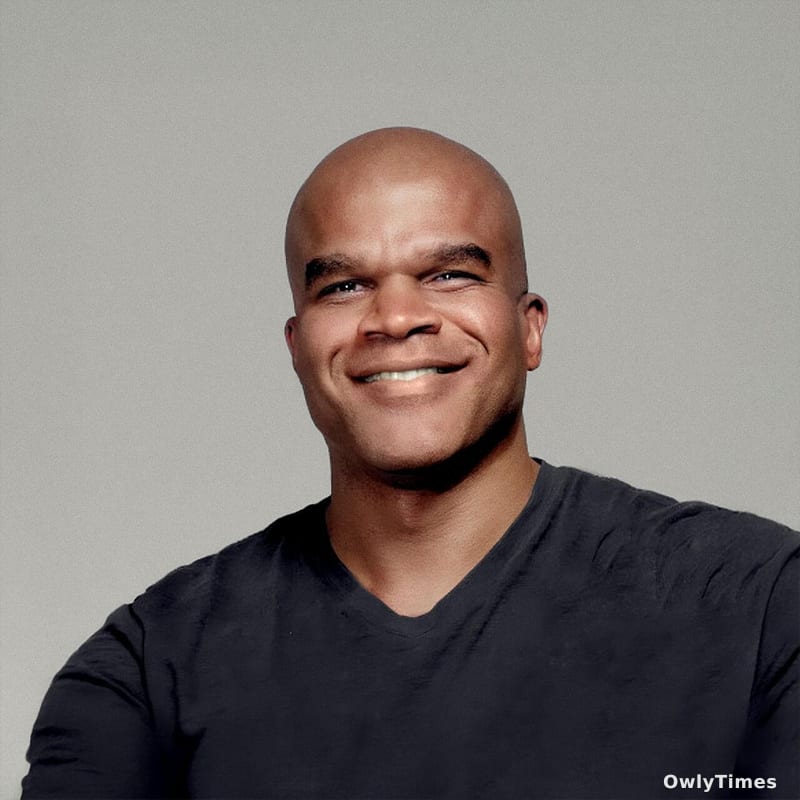
Geoff Edwards, the Managing Director, Creative of GALE, steps into the role of Jury President for these categories at a time when the stakes for brand relevance have never been higher. For Edwards, this evolution is long overdue. "The Entertainment & Content and Cultural Catalyst categories aren’t just new, they’re necessary," he notes, emphasizing that in an era where culture moves at the speed of a scroll, brands can no longer afford to be mere guests in the digital space.
Beyond the Traditional Ad Spot
The philosophy driving these new categories draws a direct line to legendary creative milestones, such as the 1997 "Think Different" campaign, which successfully repositioned the computer from a niche tool for tech enthusiasts into a universal canvas for human creativity. That campaign serves as the gold standard for what Edwards and his team are looking for: work that transcends short-lived recognition to spark lasting movements. By prioritizing entertainment and culture as the "main stage" rather than supporting acts, the LIA is forcing a reckoning for agencies that rely on outdated interruptive models.
This shift is rooted in the reality that today’s consumers don't just consume media; they inhabit it. When a brand moves from "crashing the moment" to "becoming the moment," it stops being a product and starts being a participant in the user's daily life. According to Christina Shaw, VP – Awards, LIA, the jury members selected for this task are "wonderful storytellers" who have spent their careers pushing boundaries. Their mission is to identify the work that doesn't just reach an audience but fundamentally reshapes collective thinking.
The Future of Brand Resonance
The tension here is palpable: agencies are being challenged to prove that their output isn't just noise in an oversaturated market, but a genuine cultural input. If the work doesn't shape norms or reflect the complexities of modern society, it likely won't survive the scrutiny of the upcoming judging sessions. The industry has reached a point where the distinction between entertainment, technology, and advertising is increasingly invisible to the average person.
As the judging process moves through its final stages at the end of the month, the industry will get a clear look at what the current benchmark for "cultural resonance" actually is. The results of the upcoming Statue Discussions will serve as the next indicator of whether the creative world is successfully moving toward this more integrated, story-driven future, or if it is still clinging to the legacy of the traditional thirty-second spot.