
The Unfolding Silence: Investigating Sudden Deaths in Emerging Artists
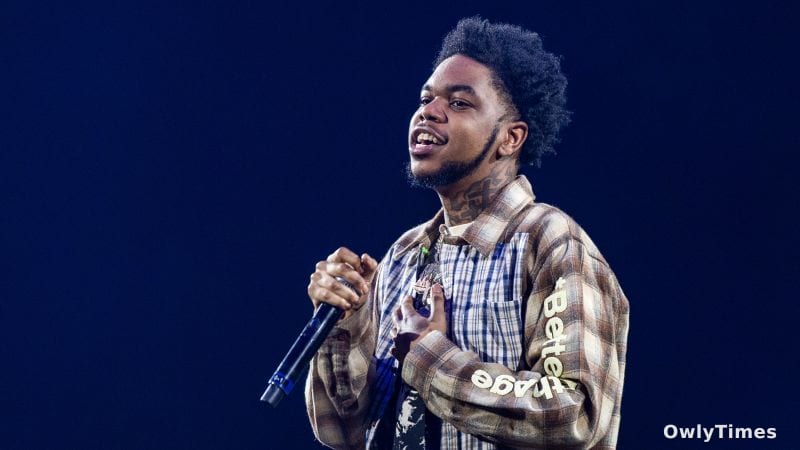
The death of Lil Poppa, whose legal name is Janarious Mykel Wheeler, at the age of 25 in Atlanta on Wednesday, is prompting a crucial, if uncomfortable, conversation about the pressures and potential vulnerabilities faced by rapidly rising artists in the music industry. While initial reports focus on the fact of his passing – confirmed by the Fulton County Medical Examiner to CNN shortly after 11 a.m. – the lack of immediate information surrounding the cause of death underscores a broader pattern: young artists achieving prominence often navigate a landscape where health and wellbeing can be overshadowed by the demands of fame. This isn’t simply a story about a tragic loss; it’s a case study in the systemic factors that can contribute to premature mortality within a particularly demanding profession.
Based on the original CNN report.
Beyond the Music: The Accelerated Trajectory and Its Costs
Lil Poppa’s career, though relatively young, exemplified the accelerated trajectory common in today’s music scene. Signed to Yo Gotti’s Collective Music Group, he gained recognition for projects like “Blessed, I Guess” and the “Under Investigation” mixtape series, as noted by Revolt. His collaboration with Yo Gotti on “H Spot” further cemented his presence. This rapid ascent, fueled by social media and streaming platforms, presents a unique set of challenges. Artists are often expected to maintain a constant online presence, tour relentlessly, and simultaneously create new content – a workload that can strain both physical and mental health. The last post on his verified Instagram account, announcing the music video for “Out Of Town Bae,” serves as a stark reminder of this ongoing performance of visibility, even as his life was, unbeknownst to his million followers, nearing its end. It’s important to note that the medical examiner’s office has stated the cause of death is still pending investigation, meaning speculation is premature, but the context of the industry demands we ask why such a young, seemingly successful individual might be vulnerable.
The Investigation Itself: What We Know and What Remains Unknown
The current state of the investigation is, understandably, limited. The Fulton County Medical Examiner’s office has released a press release confirming the death and the ongoing investigation, but details are scarce. This initial silence is typical in such cases, as authorities prioritize a thorough and accurate assessment of the circumstances. However, the lack of immediate information also fuels anxieties, particularly within a community accustomed to narratives of substance abuse and violence. It’s crucial to avoid jumping to conclusions, but the absence of a clear explanation invites scrutiny of the environment surrounding the artist. We must differentiate between what is being reported – a confirmed death and an ongoing investigation – and what headlines often imply: a narrative of cause before evidence. The investigation will likely involve a toxicology report, a review of his medical history, and interviews with those close to him.
Limitations to Consider: Data Gaps and Industry Silos
Analyzing trends in artist mortality is hampered by significant data gaps. There is no centralized database tracking the causes of death among musicians, particularly those who are emerging rather than established superstars. This lack of comprehensive data makes it difficult to establish definitive correlations between industry pressures and health outcomes. Furthermore, the music industry operates in a notoriously siloed manner, with limited transparency regarding artist welfare. Record labels, while often providing financial support, are not necessarily equipped or incentivized to address the holistic health needs of their artists. This creates a situation where potential warning signs may go unnoticed or unaddressed. It’s also important to acknowledge the inherent biases in media coverage; tragedies involving established artists often receive more attention than those involving emerging talents, potentially skewing public perception.
Looking Ahead: Towards Proactive Support Systems
The next crucial step is, of course, the completion of the medical examiner’s investigation. However, beyond determining the cause of Lil Poppa’s death, a broader conversation is needed about proactive support systems for artists. This includes increased access to mental health resources, financial literacy programs, and legal counsel. Industry organizations, record labels, and artist management teams all have a role to play in fostering a culture of wellbeing. We should be asking: what mechanisms can be put in place to identify artists at risk? How can we ensure that artists feel empowered to prioritize their health without fear of jeopardizing their careers? And, perhaps most importantly, how can we shift the industry’s focus from relentless output to sustainable artistry? The question isn’t simply how did this happen, but what will we do to prevent similar tragedies in the future.