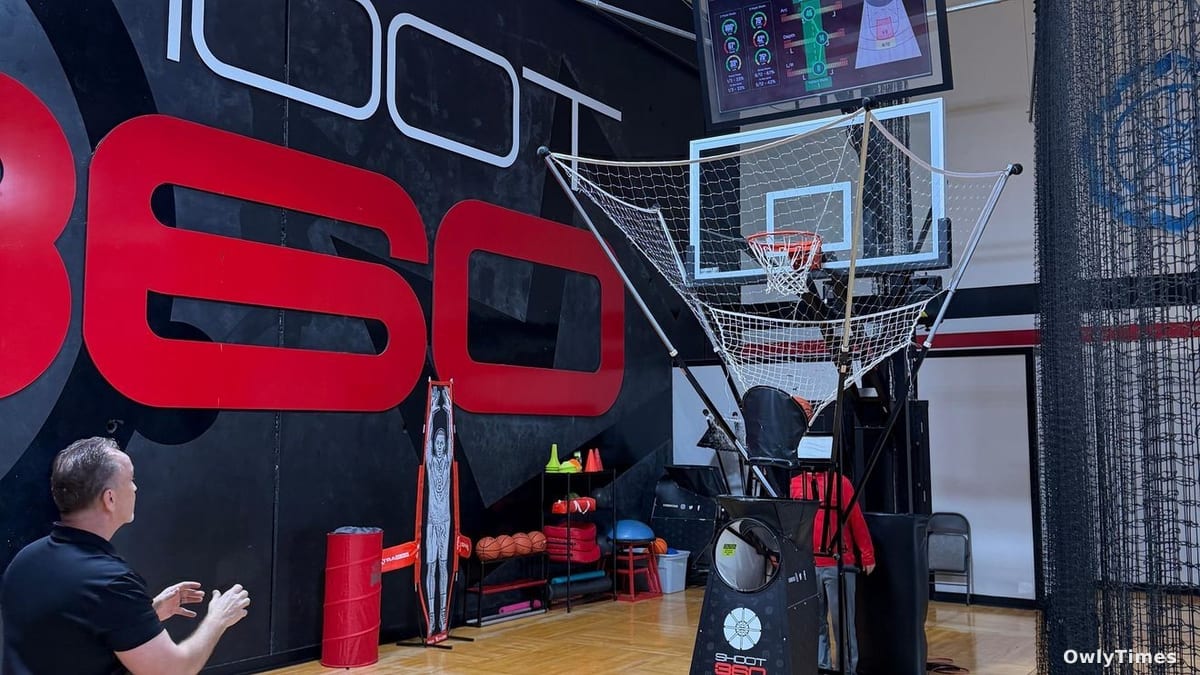

The rhythmic thwack of basketballs against polished wood echoed through the Shoot 360 facility in Beaverton last week, but it wasn’t the sound of a typical practice. It was the sound of data being generated, of muscle memory being meticulously sculpted by algorithms, and of a generation of athletes redefining what it means to “put in work.” While Damian Lillard was lighting up social media with a graphic boasting 1,000 makes out of 1,090 shots during a recent workout, the real story isn’t just about his legendary work ethic—it’s about the quiet revolution happening in athletic training, and how a Beaverton company is leading the charge. This isn’t your grandfather’s basketball practice; it’s a fusion of old-school grit and cutting-edge tech, and it speaks to a larger cultural shift in how we quantify and optimize performance.
The Gamification of Grind
For years, the narrative around athletic improvement centered on sheer willpower and hours logged. “No days off,” the mantra went. But what if those hours could be smarter? Craig Moody, Founder and CEO of Shoot 360, believes they can. He describes his company as the “world’s leading immersive basketball training system,” and it’s a claim that feels less like hyperbole and more like an observation of the inevitable. Shoot 360 isn’t just about shooting hoops; it’s about dissecting every aspect of a player’s technique – shot arc, depth, accuracy, passing velocity, ball-handling precision – and providing instantaneous feedback. This isn’t simply tracking stats; it’s turning practice into a personalized, data-driven game. The appeal is obvious, especially to a generation raised on video games where progress is measured in quantifiable metrics. According to a 2023 report by Newzoo, the global games market generated $184 billion in revenue, demonstrating the deeply ingrained preference for gamified experiences. Shoot 360 is capitalizing on that, translating the addictive feedback loops of gaming into the often-monotonous world of athletic training.
See the original katu.com story for the full account.
Beyond the Box Score: The Rise of Data-Driven Development
The 1,000/1,090 stat posted by Lillard isn’t just a flex; it’s a testament to the power of this approach. While elite athletes have always meticulously tracked their performance, the accessibility of this level of detail is new. Previously, such granular data was largely confined to professional teams with massive resources. Now, Shoot 360 is democratizing access, offering a free first session to new customers and making this technology available to aspiring players of all levels. This shift has profound implications. It moves the focus from subjective coaching assessments – “you need to shoot higher” – to objective data analysis – “your shot arc is consistently 42 degrees, which is below the optimal range for your release point.” This isn’t to say coaching is obsolete, but it’s evolving. Coaches are becoming data interpreters, using the insights generated by systems like Shoot 360 to tailor training programs and maximize player potential. The average cost of a private basketball lesson ranges from $50 to $150 per hour, but the value proposition of data-driven training is that it makes every rep count, potentially accelerating improvement and justifying the investment.
The Pressure to Optimize: A New Kind of Athletic Anxiety?
However, this relentless pursuit of optimization isn’t without its potential downsides. There’s a growing concern that the emphasis on data and metrics could create a new kind of pressure for athletes, fostering anxiety and potentially stifling creativity. What happens when the joy of the game is overshadowed by the need to constantly analyze and refine technique? Will young players become overly focused on numbers, losing sight of the intuitive, improvisational aspects of basketball? Moody acknowledges the importance of balance, stating, “You still have to play, but you have to prepare.” But the question remains: how do we ensure that technology serves the athlete, rather than the other way around? The rise of wearable technology and performance tracking across all sports suggests this tension isn’t unique to basketball. Athletes are increasingly expected to be walking data points, constantly monitored and analyzed, and the psychological impact of this scrutiny is largely unexplored.
What This Means for the Future of Training
Shoot 360’s success isn’t just a local Oregon story; it’s a bellwether for the future of athletic training. The company’s ability to blend technology with traditional skill development is a model that’s likely to be replicated across other sports. The key takeaway isn’t simply that data is valuable, but that immersive data – data that’s integrated into the training experience in a meaningful and engaging way – is transformative. As technology continues to evolve, we can expect to see even more sophisticated systems emerge, offering personalized training programs, virtual reality simulations, and AI-powered coaching. But the crucial question moving forward isn’t just what technology we develop, but how we use it to foster a love of the game, promote athlete well-being, and ensure that the pursuit of excellence doesn’t come at the cost of passion and creativity. Will the next generation of athletes be defined by their stats, or by their spirit? That’s the game we’re all watching now.

