
Do we even need new technology? That’s the question nagging at me after a visit to the Pavek Museum in St. Louis Park, Minnesota, a place crammed with radios, televisions, and recording devices that predate the microchip – and, remarkably, still work. The museum, a lovingly curated collection amassed by Joe Pavek and later championed by Earl Bakken, isn’t just a nostalgic trip; it’s a pointed reminder that “new” doesn’t automatically equate to “better,” and that our relentless pursuit of the latest gadget often leaves behind genuine engineering and lasting value. The real story here isn't the march of technological progress – it's the deliberate obsolescence built into so much of what we buy today.
The Pavek Museum, which opened in 1988 and now houses over 700 artifacts, began with a simple act of preservation. During World War II, Pavek taught soldiers to repair radios, only to watch those same radios discarded after the training was complete. As curator Felipe Eguiarte explains, “That broke Joe’s heart, so he dedicated the rest of his life to collect, maintain, repair and have a tiny museum in the basement of his hardware store.” This wasn’t about fetishizing old tech; it was about recognizing the inherent wastefulness of a system that prioritizes disposability. Contrast that with today’s “right to repair” debates, where manufacturers actively fight against consumers fixing their own devices – a far cry from Pavek’s ethos of keeping things running.
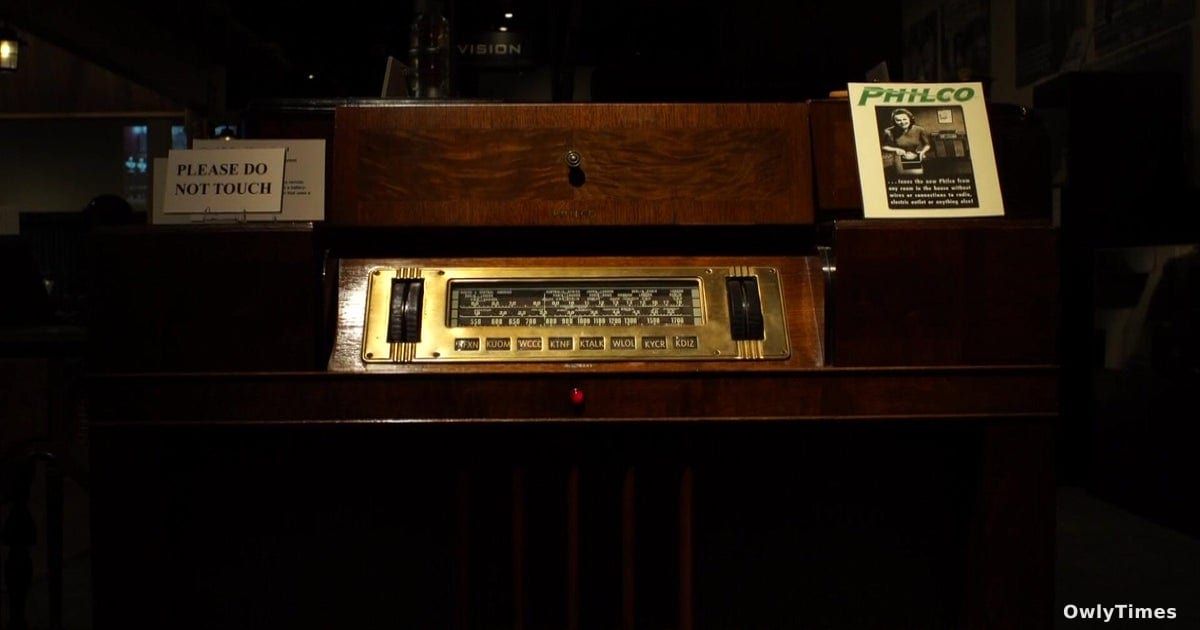
What’s particularly striking is the sheer robustness of the equipment. A 1939 Zenith radio, described by Pavek president Nina Larson Weber as “the flat screen television of its time,” still picks up a local station. It even came with a remote control. This wasn’t achieved through software updates or cloud connectivity; it was achieved through meticulous craftsmanship and a commitment to quality materials. We’ve traded that durability for sleek designs and planned upgrades, accepting a constant cycle of replacement as the norm. Consider the average smartphone lifespan – barely two years – compared to a Zenith radio that’s still broadcasting after eight decades. The difference isn’t just technological; it’s philosophical.
The museum also holds a piece of audio history: one of only two Magnetophon machines in the world. Brought back from Germany by Jack Mullin after WWII, these devices represented a leap forward in recording technology, eventually landing Mullin a job with “The Bing Crosby Show.” The story highlights a crucial point: innovation isn’t always born in Silicon Valley. Sometimes, it emerges from unexpected places, driven by necessity and ingenuity, and then quietly fades into the background as newer, flashier technologies take center stage. The fact that these machines, representing the dawn of high-fidelity recording, are still functional is a testament to their original design and the dedication of the Pavek’s volunteer engineers.
Source material: CBS News.
The Pavek Museum isn’t just a repository of old gadgets; it’s a monument to a different way of thinking about technology. It’s a reminder that true innovation isn’t just about creating something new, but about creating something that lasts. As Eguiarte puts it, “As the world becomes more digital, I think we miss how physical some of these things are.” And that physicality, that sense of tangible quality, is something we’re losing at an alarming rate.
Looking ahead, I predict we’ll see a growing counter-movement – a renewed appreciation for repairability, durability, and the inherent value of well-made things. The question isn’t whether we can build faster, smaller, or more connected devices. It’s whether we should, if the cost is a world overflowing with electronic waste and a constant need for replacement. Watch for a surge in independent repair shops, a demand for “future-proof” products, and a growing backlash against the planned obsolescence that currently defines so much of the tech industry. The ghost of Joe Pavek, quietly repairing radios in his basement, will be watching.