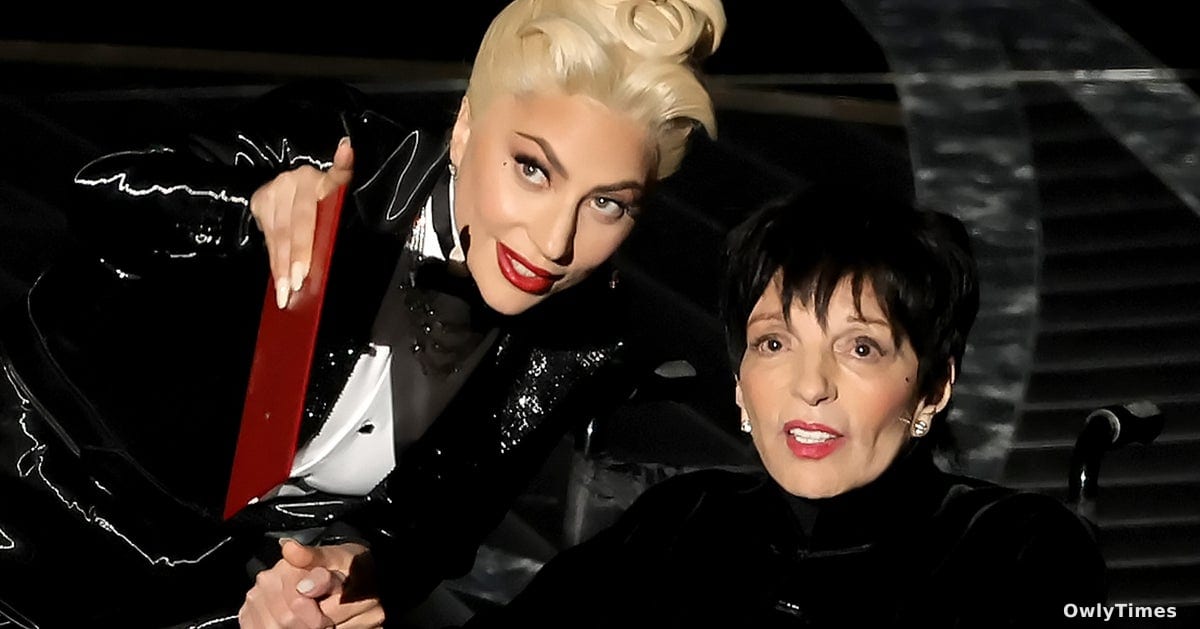

The spotlight hit Liza Minnelli, and the Dolby Theatre erupted. It was the 2022 Academy Awards, a moment seemingly crafted for a legend returning to the stage alongside Lady Gaga. But behind the standing ovation, Minnelli reveals in her forthcoming memoir, “Kids, Wait Till You Hear This,” lay a quiet heartbreak – a feeling of being stripped of agency and dignity on Hollywood’s biggest night. The excerpts published by People aren’t just a celebrity tell-all; they’re a stark illustration of how even icons can be vulnerable to the pressures, and sometimes, the casual cruelties, of an industry obsessed with image control.
The Wheelchair and the Weight of Perception
Minnelli’s account centers on a single, jarring demand: she was “inexplicably ordered—not even asked—to sit in a wheelchair or not appear at all.” She’d envisioned presenting the Best Picture award from a director’s chair, a position she felt comfortable and in control in. Instead, she was presented with a binary choice that felt less about safety and more about managing how an aging star looked on live television. “I was told it was because of my age, and for safety reasons, because I might slip out of the director’s chair, which was bullshit,” she writes. This wasn’t a proactive concern for her well-being, but a reactive attempt to sanitize a potentially “unflattering” image. The Oscars, an event broadcast to over 16.6 million viewers in 2022 – a slight uptick from the pandemic-low of 2021 – understands the power of narrative. And Minnelli felt her own narrative was being rewritten for them.
Drawn from huffpost.com.
The wheelchair, she explains, wasn’t just physically limiting; it obscured her ability to read the teleprompter, leading to a stumble over her lines. It was then, she alleges, that Lady Gaga seized the opportunity for a performative act of kindness, leaning in and declaring, “I got you.” While seemingly supportive, Minnelli perceived it as a calculated move, a public display of heroism that prioritized optics over genuine concern. This isn’t simply a case of hurt feelings; it’s a critique of the performative empathy that often dominates celebrity culture, where appearing to care can be more valuable than actually being caring.
The Shadow of the Slap and a Changed Plan
The incident, according to singer Michael Feinstein, who collaborated on the memoir, wasn’t isolated. Feinstein previously suggested the Oscars’ plans for Minnelli’s appearance shifted abruptly following the now-infamous slap by Will Smith against Chris Rock. The broadcast, already reeling from the shock of the altercation, became hyper-focused on control, on minimizing any further disruption. Feinstein argued that Minnelli was “sabotaged,” her moment overshadowed and ultimately diminished by the fallout from Smith’s actions. He described her as “nervous” and appearing “out of it,” a perception he attributes directly to the last-minute changes and the pressure of the situation. This raises a troubling question: did the desire to regain control after a chaotic moment inadvertently lead to the marginalization of a beloved performer?
Minnelli herself displays a remarkable stoicism in her memoir, recalling her mother, Judy Garland, and father, Vincente Minnelli’s, advice to “stay gracious” even in moments of high stress. It’s a coping mechanism honed over decades in the spotlight, a way to navigate the inherent power imbalances of the entertainment industry. But grace shouldn’t be a substitute for respect, and Minnelli’s story suggests a profound lack of both. A representative for Gaga declined to comment, and the Academy has yet to respond to requests for clarification, leaving a significant gap in the narrative.
Beyond the Headlines: Aging, Agency, and the Industry Machine
This isn’t just about one night at the Oscars. It’s about the broader cultural anxieties surrounding aging, particularly for women in the entertainment industry. The pressure to maintain a youthful image is relentless, and the fear of appearing “vulnerable” or “unstable” can lead to decisions that prioritize appearance over authenticity. Minnelli’s experience highlights the insidious ways in which this pressure can manifest, even for someone with her stature and legacy. The incident also speaks to the power dynamics at play within the industry, where even seasoned professionals can find themselves at the mercy of producers and organizers who prioritize their own vision over the comfort and agency of the performers.
What will it take for the entertainment industry to move beyond these outdated and often damaging practices? Will we see a shift towards prioritizing genuine inclusivity and respect for performers of all ages and abilities, or will the pursuit of a flawless image continue to trump the human element? The question isn’t just about Liza Minnelli; it’s about the future of a culture that often demands perfection at the expense of dignity. We should be watching closely to see if the Academy, and other major awards shows, will address these concerns and implement policies that protect performers from similar experiences in the years to come.