
The strategic calculus behind the influx of local television personalities into congressional races is clear: in an era of deep political polarization and a perceived "stalled House," established name recognition and a pre-existing reservoir of public trust offer a powerful, often bipartisan, advantage. Candidates leveraging careers in local news, from meteorologists to anchors, are betting that their familiarity and perceived authenticity can cut through partisan noise, offering voters a seemingly apolitical choice.
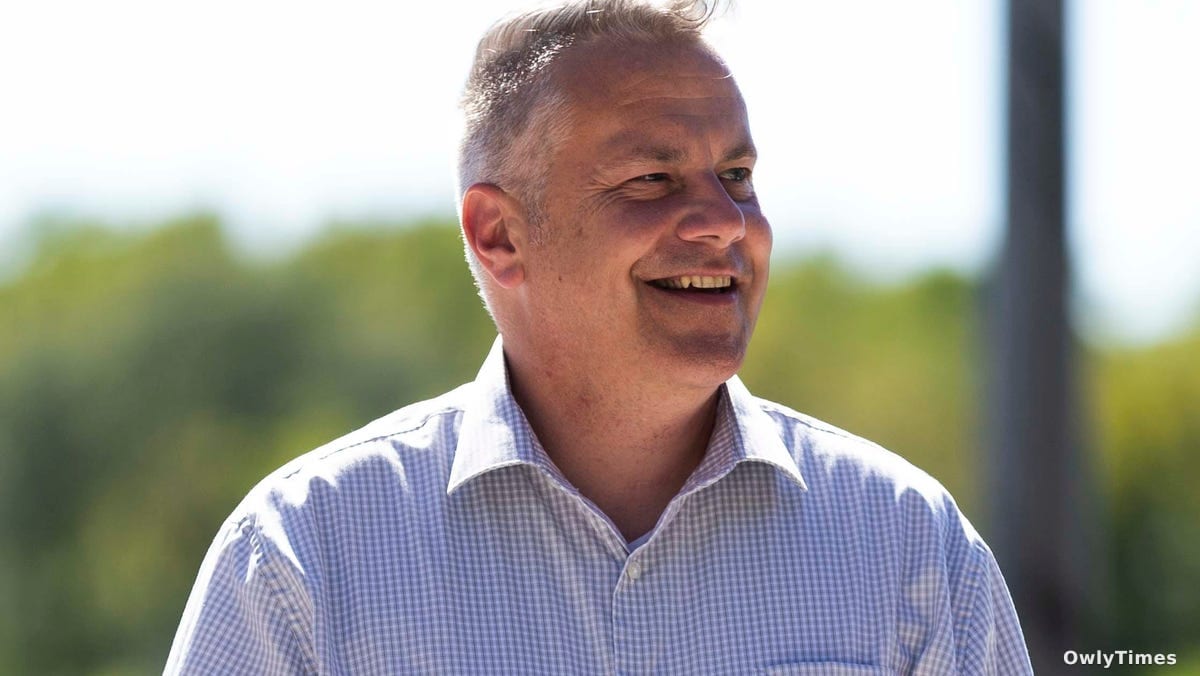
This strategy was vividly demonstrated by Eric Sorensen, a Democrat who changed channels in spring 2021 from a 22-year career as a Quad Cities meteorologist to a congressional bid. Sorensen, who has served in Congress since 2023, reflected on his entry, stating, "I tell people back home, I got to Washington without – it wasn't just political baggage – I didn't even have a political carry-on." This framing directly addresses a common voter fatigue with career politicians, positioning local media figures as untainted outsiders. The immediate benefit for such candidates is a significant head start in name identification, a crucial asset in contested races, as Sorensen proved by prevailing over a "well-funded Republican opponent," Esther Joy King, in Illinois.
The Trust Dividend in Polarized Politics
The "who benefits and who loses" framework highlights a clear advantage for these media-savvy candidates and, arguably, for a voting public weary of political infighting. Voters, particularly in districts that have grown accustomed to their daily presence on local airwaves, may perceive these individuals as more connected to community concerns and less beholden to national party lines. Sorensen, a Rockford native, himself articulated this rationale, recalling, "The 20 years that I spent in this congressional district looking out for people, maybe that was setting me up for that job." This perception of "looking out for people" is a direct carry-over from their roles in delivering crucial local information, whether it's weather forecasts or breaking news. The political system, in turn, benefits from a fresh crop of candidates who can potentially bridge divides, though the reality of Washington often tests such intentions.
The power of this trust dividend is further underscored by the bipartisan camaraderie formed between Sorensen and Republican Rep. Mark Alford, a Missouri congressman who spent 25 years as a morning news anchor. Their shared professional background fostered a belief that "if they're not that much different, they shouldn't have their lawmakers have different politics," stressing a need to work together. This sentiment suggests that the unifying experience of local journalism can translate into a disposition for collaboration in Congress, a valuable trait in an institution often criticized for gridlock.
From Anchor Desk to Campaign Trail
The trend extends far beyond Sorensen. In Pennsylvania's 10th district, Janelle Stelson, an Emmy-winning former anchor at Lancaster's NBC station, WGAL, is campaigning to unseat Republican incumbent Scott Perry in November. Stelson, who lost a close race last cycle by one percentage point, has since raised $4 million, a testament to the viability of her candidacy. Sorensen, who has mentored Stelson, advised her to focus on one word: "trusted." He explained, "You were the trusted person to people when they were in really bad situations, when they were down at the end of their rope." This highlights the strategic leverage of a pre-existing relationship with the electorate, forged in moments of local crisis or daily routine.
Across state lines in Iowa, Rep. Ashley Hinson, a Republican and former reporter and anchor at ABC station KCRG in Cedar Rapids, exemplifies another successful transition. Hinson unseated former Rep. Abby Finkenauer in 2020 and is now the frontrunner for an open Senate seat. In a campaign ad for her first House run, Hinson stated, "You know me from the morning news. I loved reporting on our community because I got to see the goodness of Iowans from every walk of life." This direct appeal to familiarity and community connection mirrors Sorensen's approach, demonstrating the broad applicability of this strategy across party lines and different media roles. The USA TODAY article outlines how this phenomenon is not isolated, noting potential "anchor-on-anchor" battles, such as a possible matchup between two former anchors in Miami, involving Republican Rep. María Elvira Salazar, a well-known Telemundo journalist.
The Next Political Chess Move
The enduring appeal of local media figures in politics draws parallels to the long history of public figures leveraging their established personas to enter public service, reflecting a societal craving for perceived authenticity and direct connection. As local television companies consolidate and stations shutter, Sorensen sees an opportunity for meteorologists and other local journalists to reconsider their path. "I want meteorologists to ask the question, 'Is it time for me to serve in a different way?' Because now is the time that we need more meteorologists in Congress," Sorensen told the newspaper
The immediate political chess move to watch is the November election, particularly the rematch between Janelle Stelson and Scott Perry in Pennsylvania's 10th district. The outcome of this race, alongside Ashley Hinson's bid for the Iowa Senate seat later this year, will serve as a critical barometer for the continued efficacy of this strategy. These contests will reveal whether the inherent trust and name recognition built over decades in local news can consistently translate into electoral victories and, ultimately, shift the dynamics of a divided Congress.





