
$2.3 Million in Potential Losses: The Hidden Costs of Spontaneous Combustion for Small Businesses
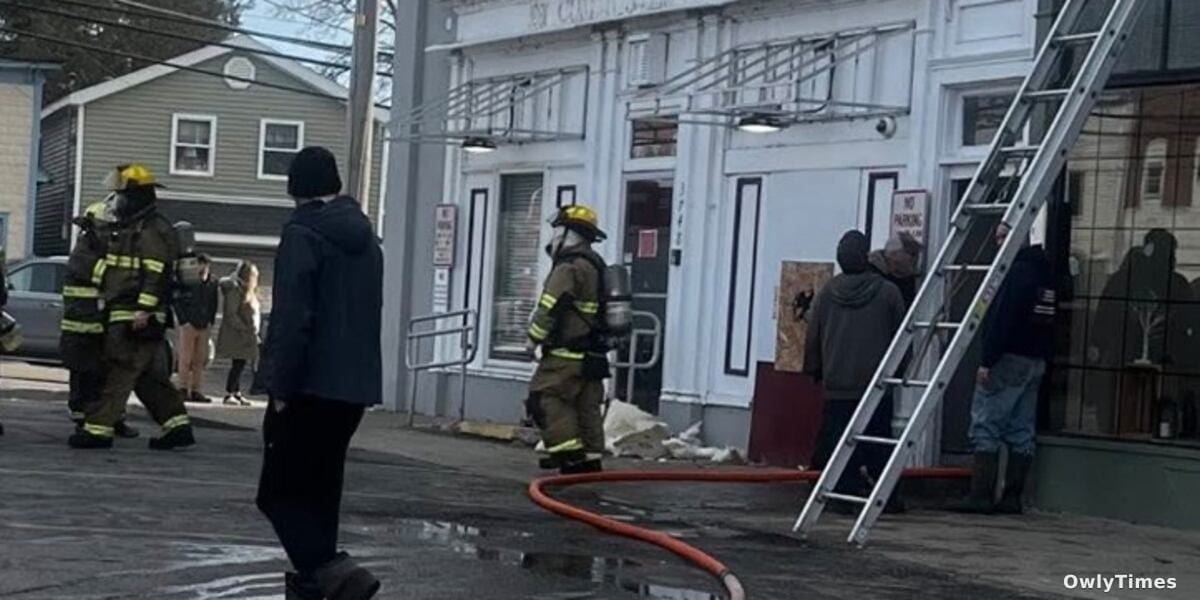
A ten-minute response time by the Madrid Fire Department likely averted a six-figure loss for Amanda Barkley, owner of Main Street Liquors, after rags soaked in wood stain spontaneously combusted Thursday morning. While the immediate damage was contained – primarily water damage to Barkley’s business – the incident underscores a largely unquantified risk facing small businesses undertaking renovations: the financial exposure from improper handling of flammable materials. According to the National Fire Protection Association, spontaneous combustion accounts for roughly 4% of all structure fires annually, but the average damage per incident is $2.3 million, a figure often disproportionately impacting businesses lacking robust risk management protocols.
Source material: wwnytv.com.
The Chemistry of Costly Mistakes
The fire originated in the upstairs space above Main Street Liquors, which Barkley is renovating for rental. The culprit: oil-based wood stain absorbed into rags. This isn’t a case of negligence, but a demonstration of basic chemistry. Linseed oil, a common component in many wood stains, undergoes an exothermic reaction as it oxidizes – meaning it generates heat. When rags are crumpled and piled, this heat cannot dissipate, leading to a temperature increase and eventual ignition. The Madrid Fire Chief, Zach Taylor, confirmed this as the cause, noting the smoke emanating from the eaves and second-story windows upon arrival. While the quick response limited the damage, the potential for escalation was significant. Consider that a similar incident in 2022 at a furniture restoration shop in Pennsylvania resulted in $850,000 in damages and a temporary closure lasting six months.
Beyond Insurance: The Ripple Effect on Local Economies
The financial impact extends beyond direct property damage. Barkley’s renovation project, intended to increase rental income and contribute to the revitalization of Madrid’s Main Street, is now delayed. This delay translates to lost potential revenue, increased material costs due to inflation (construction material prices have risen 18% year-over-year according to the Associated General Contractors of America), and potential disruption to other businesses relying on the completed rental space. The incident also highlights a broader vulnerability for small towns like Madrid, where volunteer fire departments – like the one that responded – often operate with limited resources. A larger, more protracted fire would strain those resources, potentially impacting response times for other emergencies. The Madrid Fire Department’s annual budget is approximately $150,000, a figure that pales in comparison to the potential cost of a widespread fire.
A $15 Solution to a Multi-Million Dollar Problem
The solution isn’t necessarily more stringent regulations, but increased awareness and adherence to existing safety guidelines. The NFPA recommends storing oil-soaked rags in airtight, metal containers filled with water. These containers, readily available for under $15, prevent oxygen from fueling the oxidation process and dissipate heat. The cost of prevention is a fraction of the potential loss. Furthermore, insurance policies often contain clauses regarding proper handling of flammable materials; failure to comply can invalidate coverage, leaving business owners solely responsible for damages. A 2023 study by the Insurance Information Institute found that 37% of commercial property claims are partially or fully denied due to non-compliance with safety regulations.
What this means for your wallet
This incident isn’t just about Amanda Barkley and Main Street Liquors. It’s a warning to any small business owner undertaking renovations. Before starting any project involving flammable materials, review NFPA guidelines, consult with your insurance provider regarding coverage requirements, and invest in proper storage containers. The $15 investment in a metal container could prevent a $2.3 million disaster – and a potentially devastating blow to your business and your community. The question now is: will proactive safety measures become standard practice, or will we continue to see these preventable fires erode the financial stability of Main Streets across the country?





