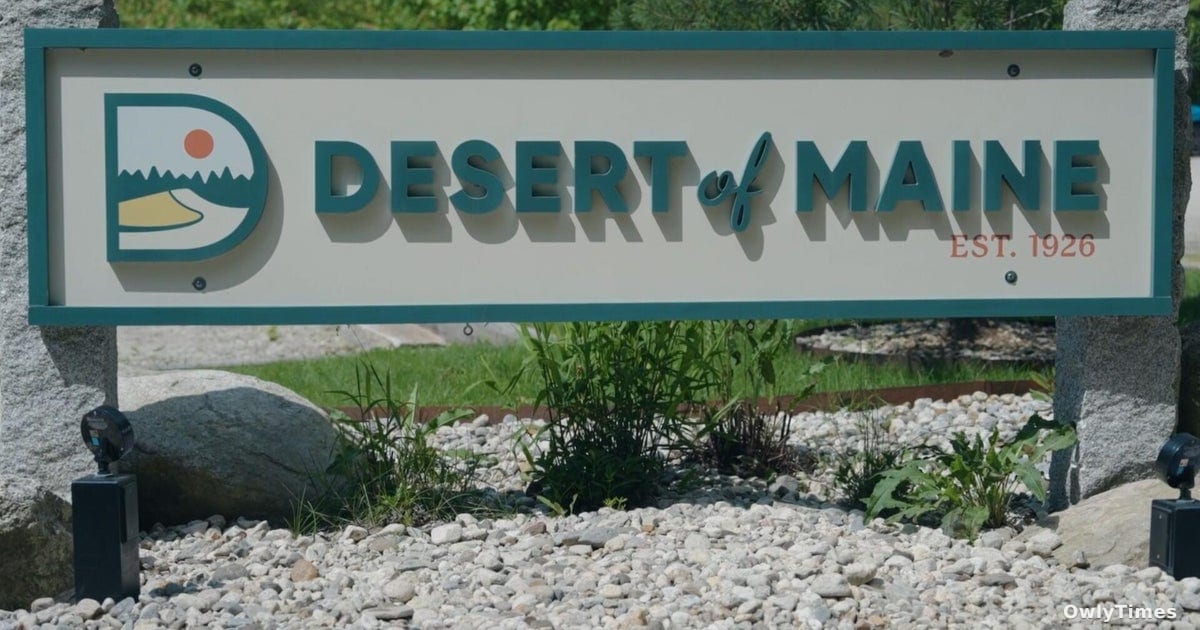

How does a temperate, forested landscape transform into a sprawling, arid dune system? This is the central geological mystery of the Desert of Maine, a site that challenges our traditional understanding of New England’s ecosystem. While many travelers associate Maine with dense pines and rocky coastlines, the existence of this sandy anomaly serves as a stark reminder of how human activity can interact with deep-time geological features to create lasting environmental shifts.
Unearthing Ancient Glacial Deposits
The phenomenon is not a true desert in the climatic sense, but rather an exposed landscape of ancient glacial silt. Beneath the verdant forest floor of Maine lie deposits left behind by retreating glaciers thousands of years ago. These layers of fine, nutrient-poor glacial sand were effectively "locked away" by the dense vegetation and topsoil that developed after the last ice age.
The transformation occurred when intensive farming practices in the region stripped away the protective layer of topsoil. Once the vegetation was removed, the wind and rain began to erode the exposed silt, preventing new growth from taking root. This process turned a once-productive plot of land into a localized, shifting dune system that appears entirely out of place against the backdrop of the surrounding Maine woods.
Distinguishing Geological Reality from Popular Perception
It is important to clarify what the site actually represents versus how it is often framed in travel media. Headlines frequently lean into the "desert" label to emphasize the shock value of the landscape. However, from a scientific perspective, this is a case of anthropogenically induced erosion rather than a naturally occurring arid zone. The study of the site reveals a fascinating intersection of human history and earth science, demonstrating how the legacy of 19th-century agricultural mismanagement can leave a permanent mark on the topography of a region.
Limitations to consider include the scale of the site. While it is a significant curiosity, it remains a localized geological feature. It does not represent a broader trend of desertification in New England, but rather serves as a unique, contained example of how soil stabilization is essential to maintaining regional ecology. The site is a testament to the fragility of topsoil, which, once compromised, can reveal the barren, prehistoric substrate beneath.
Observing Future Ecological Succession
The current state of the Desert of Maine is not necessarily a permanent one. As the landscape continues to be managed as a destination blending history, science, and outdoor adventure, the focus for researchers remains on the rate of ecological succession. The primary question moving forward is how quickly the surrounding forest might reclaim the area if human intervention were to cease entirely.
The next readings of vegetation encroachment patterns at the site will show whether the forest can effectively "heal" the scars left by past farming, or if the unique composition of the glacial silt will continue to resist natural reforestation. Understanding this balance provides valuable insight into the resilience of New England’s soil systems and the long-term impact of historical land-use decisions. As the landscape continues to evolve, the ongoing monitoring of these sand dunes will offer a clear signal regarding the endurance of human-altered environments in the face of natural reforestation.





