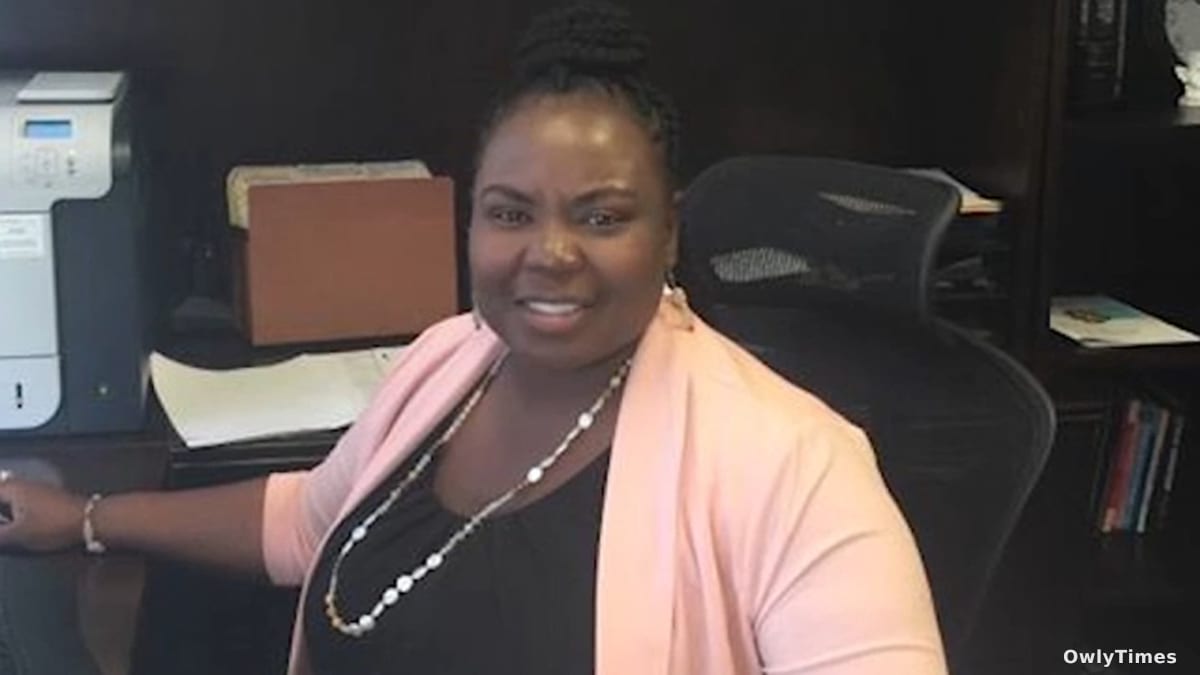

The chipped asphalt of the basketball court felt warm under Bellonora McCallum’s hand as she traced the faded lines, a ghost of summer Sundays past. It wasn’t a glamorous arena, this court in Raleigh’s Method Community, but it was the birthplace of a dream – a dream that now sees her navigating the high-stakes world of professional sports, not as a spectator, but as an advocate. This Women’s History Month, McCallum’s story isn’t just a personal triumph; it’s a stark illustration of the systemic barriers still facing Black women in an industry built on athleticism and, increasingly, on visibility. It’s a story about rewriting the rules of the game, both on and off the field.
From Method Community to the Negotiation Table
The Method Community, a historically Black neighborhood in Raleigh, is more than just a backdrop to McCallum’s childhood; it’s woven into the fabric of her ambition. She remembers impromptu soccer games and the thrill of competition, but also a quiet awareness of who wasn’t represented. Now, at 44, McCallum juggles four courses at North Carolina A&T with her demanding role as a practicing attorney and sports agent, running her own agency, ME Sports. This isn’t simply about career multitasking; it’s about dismantling a long-held expectation that success in these fields is reserved for a specific demographic. “If you’re going to have this talent – if the majority of clients are getting signed and picked up – why can’t your representation look like you?” she asks, a question that fueled her pursuit of a sports law degree at North Carolina Central University. It’s a question that resonates far beyond Raleigh, echoing a national conversation about equity and access.
This piece references the abc11.com report.
The Numbers Don't Lie: A Landscape of Exclusion
The stark reality is that McCallum is a statistical anomaly. According to Diverse Representation, a leading organization tracking diversity in sports and entertainment, there are fewer than 75 certified Black women sports agents in the entire United States. Consider that the NFL alone employs hundreds of agents, and the NBA and MLB add significantly to that number. This isn’t a matter of a lack of qualified candidates; it’s a consequence of deeply entrenched networks and biases that historically excluded women, and particularly women of color, from positions of power. While the number of women entering law school has steadily increased – in 2023, women earned over 55% of J.D. degrees – translating that education into representation within professional sports remains a significant hurdle. The fact that most Black women agents currently operate as NFL contract advisors suggests a limited scope of opportunity, a concentration in a specific niche rather than broad representation across all major leagues.
Beyond Contracts: Building Trust and Changing Perceptions
McCallum’s work extends far beyond negotiating contracts. She’s a scout, a mentor, a financial advisor, and a crucial bridge between athletes and the often-opaque world of professional sports. She recounts the pride of seeing a client drafted last year, a moment that validates not only her efforts but also the potential of a new generation. But the impact is more profound than individual success stories. McCallum is actively challenging the perception of who belongs in these spaces. For young Black athletes, seeing someone who shares their background advocating for their interests is transformative. It fosters trust, encourages ambition, and dismantles the subtle messaging that their dreams are somehow less attainable. This is the ripple effect of representation – a shift in mindset that extends far beyond the playing field.
The Future of Representation: A Call to Action
Bellonora McCallum sees Women’s History Month not as a moment for passive reflection, but as a call to action. “Think about the women coming behind me who ask, ‘Can I do these things? Are there limits to what I can do?’” she says, her voice firm with conviction. “There are no limits to the things you can do.” But acknowledging potential isn’t enough. The industry needs to actively dismantle the barriers that prevent qualified Black women from entering and thriving in sports representation. Will leagues implement more robust diversity initiatives? Will established agencies prioritize mentorship programs aimed at fostering the next generation of Black women agents? The question isn’t simply whether McCallum’s success will inspire others, but whether the structures of the industry will allow those inspirations to flourish. The real measure of progress won’t be the stories we celebrate during Women’s History Month, but the everyday realities of equity and inclusion that unfold throughout the year.

