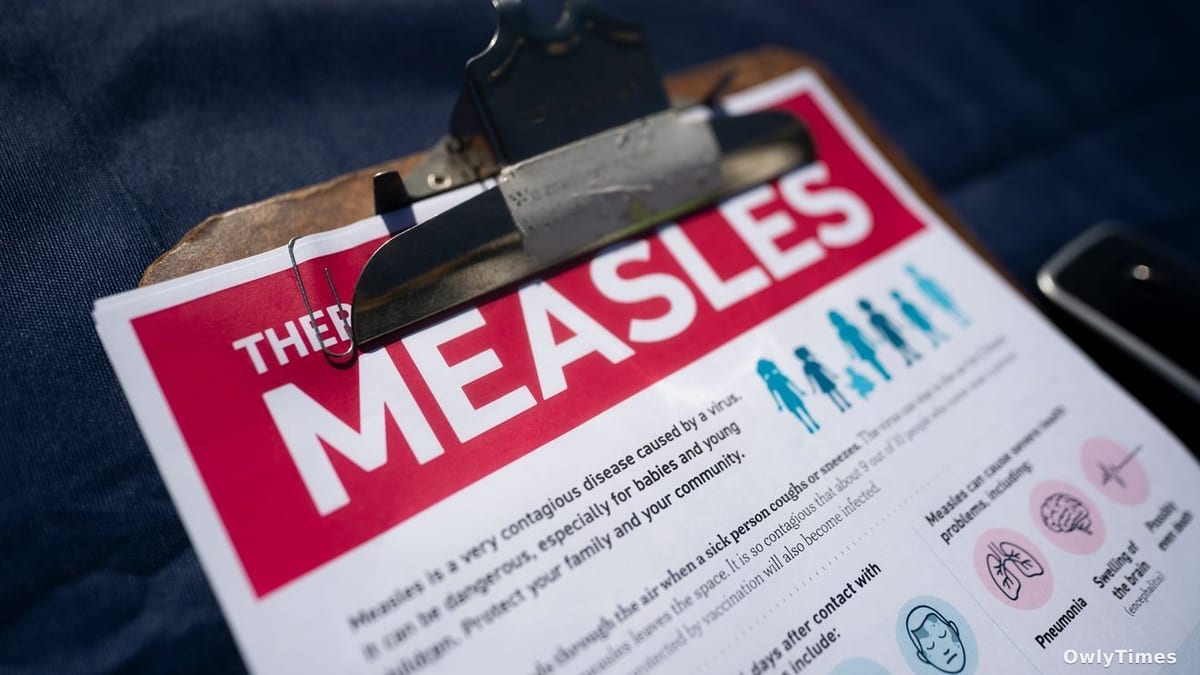

The quiet return of a disease once considered vanquished is rarely a simple story of public health failure. The recent measles exposure at the Providence Willamette Falls Medical Center in Oregon City – affecting anyone who visited the emergency department waiting room between 10 p.m. and 12:30 a.m. on February 25th – isn’t just about individual risk, but a signal that the infrastructure protecting us from preventable illnesses is showing strain. While headlines focus on exposure sites and case numbers, the more concerning trend is the widening gap between reported cases and the virus’s actual prevalence, as revealed by a surprising new tool: wastewater surveillance. This isn’t a resurgence of anti-vaccine sentiment alone; it’s a breakdown in our ability to accurately measure the problem, and that’s a far more complex challenge.
Beyond Reported Cases: What Wastewater Tells Us
As of February 26th, 2026, the Oregon Health Authority (OHA) has confirmed five measles cases within the state. Critically, four of these patients were unvaccinated, and the vaccination status of the fifth remains unknown. This aligns with a national pattern: declining vaccination rates correlate directly with increased outbreaks. However, Dr. Howard Chiou, medical director for communicable diseases and immunizations at OHA’s Public Health Division, emphasizes that these numbers represent only the “tip of the iceberg.” The OHA is now utilizing wastewater surveillance – analyzing sewage for traces of the measles virus – and the data indicates a significantly broader circulation of the virus than official case counts suggest. This isn’t a new technique; wastewater monitoring gained prominence during the COVID-19 pandemic, offering an independent measure of infection rates. Applying it to measles provides a crucial, early warning system, allowing public health officials to anticipate outbreaks before they overwhelm clinical resources. The advantage is clear: by the time someone seeks medical attention for measles, they’ve already been contagious for several days, potentially exposing numerous individuals. Wastewater data, conversely, can detect the virus’s presence in a community before symptomatic cases emerge.
See the original katu.com story for the full account.
The Fragility of “Elimination” Status
The rising case numbers, coupled with the wastewater findings, have prompted concerns that the United States may lose its measles-free status, as warned by infectious disease specialists at Providence hospital. This designation, granted by the World Health Organization (WHO), isn’t merely symbolic. It signifies a robust public health system capable of rapidly identifying and containing outbreaks, preventing sustained transmission. Losing this status doesn’t mean measles will become endemic everywhere, but it does mean increased risk for vulnerable populations – infants too young to be vaccinated, individuals with compromised immune systems, and those who cannot receive the vaccine for medical reasons. The threshold for losing measles-free status is three or more sustained outbreaks within a year. While the U.S. hasn’t reached that point yet, the current trajectory is deeply concerning, particularly given the underreporting revealed by wastewater analysis. The five confirmed cases in Oregon, while individually significant, may represent a much larger, undetected wave of infection.
Limitations to Consider: Surveillance Gaps and Viral Evolution
While wastewater surveillance is a powerful tool, it’s not without limitations. The concentration of the virus in wastewater can vary depending on population density, plumbing infrastructure, and even rainfall. Furthermore, the technique doesn’t identify where within a community the virus is circulating, only that it’s present. This makes targeted interventions – like focused vaccination campaigns – more challenging. Another factor is the potential for viral evolution. The measles virus, like all viruses, can mutate. While the current vaccine remains highly effective against most circulating strains, ongoing genomic surveillance is crucial to detect any mutations that might reduce vaccine efficacy. This requires sustained funding for public health laboratories and a coordinated national surveillance network, something that has been historically inconsistent. The current focus on wastewater data is a positive step, but it’s only one piece of a larger, more complex puzzle.
What Comes Next: Refining the Signal and Rebuilding Trust
The immediate priority is clear: encourage vaccination. Anyone who visited the Providence Willamette Falls Medical Center emergency department waiting room during the specified timeframe should contact their healthcare provider. But beyond this reactive measure, the OHA and other state health departments need to refine their wastewater surveillance programs, improving data analysis and developing more precise methods for interpreting results. Equally important is addressing the underlying factors contributing to vaccine hesitancy and access barriers. This requires rebuilding trust in public health institutions and engaging in transparent, evidence-based communication. Looking ahead, we should anticipate a scenario where wastewater surveillance becomes a routine component of measles monitoring, similar to its role in tracking COVID-19. The question isn’t if another exposure site will be identified, but how quickly we can detect and respond to future outbreaks, and whether we can leverage these new surveillance tools to prevent a full-scale resurgence of a disease we thought we had conquered.





