
The persistent frustration voiced by seasoned physicians – the feeling of entering practice unprepared for the realities beyond clinical care – is finally prompting a fundamental shift in medical education. Arizona State University’s newly formed ASU Health, encompassing the John Shufeldt School of Medicine and Medical Engineering, the School of Technology for Public Health, the Edson College of Nursing and Health Innovation, and the College of Health Solutions, isn’t simply expanding its health-focused schools; it’s fundamentally rethinking what it means to train a health professional. The core of this reimagining lies in “health systems science,” a discipline historically absent from medical curricula despite its pervasive influence on patient care, provider well-being, and the overall efficiency of the healthcare landscape. While headlines tout ASU’s innovative approach, the deeper story is about addressing a long-acknowledged gap in training and preparing future clinicians for a system far more complex than textbooks suggest.
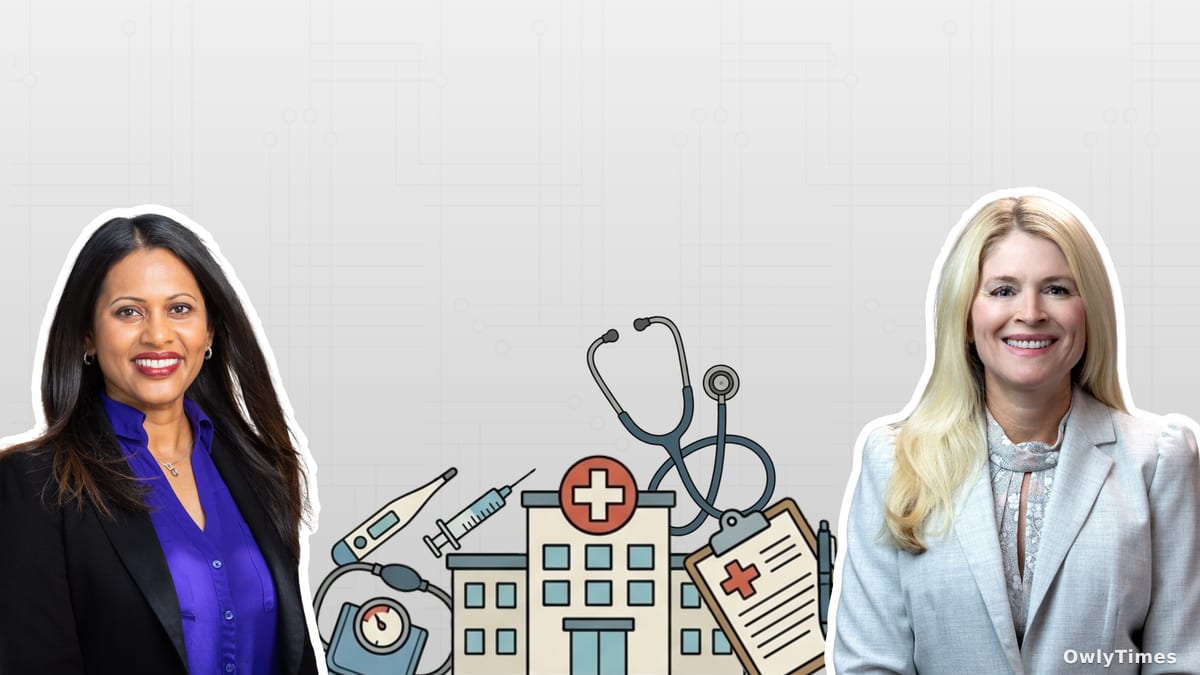
ASU Health’s structure itself signals this commitment. The integration of engineering – a discipline focused on systems thinking – alongside traditional medical and health professions training is particularly noteworthy. Swapna Reddy and Kristen Will, co-course directors for health systems science at the John Shufeldt School of Medicine and Medical Engineering, emphasize that this isn’t about adding another layer of information, but about providing a foundational framework for understanding how care is delivered. “It is really a foundational platform and framework for the study and understanding of how care is delivered, how health professionals work together to deliver that care, and how the health system can improve patient care and health care delivery,” explains Reddy. This means equipping students with knowledge of health policy, economics, clinical informatics, population health, and quality improvement – six core domains identified by the framework – alongside their clinical training. The goal, as Will succinctly puts it, is to give students “more tools in their toolbox.”
Source material: news.asu.edu.
The need for this shift is starkly illustrated by the experiences of practicing physicians. As Reddy points out, many clinicians report feeling unprepared to navigate basic aspects of the healthcare system, like health insurance, despite its critical impact on patient access to care. This isn’t a minor oversight; understanding insurance policies, advocating for patients, and even influencing those policies are now integral parts of a physician’s role. The curriculum at ASU Health aims to address this deficiency by embedding health systems science throughout all four years of medical school, moving beyond isolated lectures to integrate these concepts into clinical experiences. This isn’t simply about memorizing regulations, but about developing a “systems thinking” approach – a hallmark of engineering – to identify inefficiencies, improve processes, and ultimately, enhance patient outcomes.
This emphasis on systems thinking extends to team-based care, a key component of ASU Health’s approach. Will highlights the importance of fostering “healthy teams” and recognizing the interconnectedness of various healthcare professions. The curriculum isn’t solely focused on training future physicians; it’s about preparing a diverse range of health professionals – physician assistants, medical assistants, pharmacists, nutritionists, social workers, and administrators – to collaborate effectively. The question driving this approach, as Reddy articulates, is “who are the health professionals we need for the health problems we have?” This represents a move away from siloed training towards a more holistic, interdisciplinary model. The framework also aligns with the “Triple Aim” of healthcare – enhancing patient experience, improving population health, and reducing costs – suggesting a commitment to value-based care.
However, it’s crucial to acknowledge the limitations of this ambitious undertaking. While integrating health systems science into the curriculum is a significant step, its long-term impact remains to be seen. The success of this approach hinges on several factors, including the ability to effectively assess students’ understanding of these complex concepts and to translate that knowledge into real-world practice. Furthermore, the U.S. healthcare system is notoriously resistant to change, and even well-prepared clinicians may face systemic barriers that hinder their ability to improve care. The ASU model also relies heavily on the collaboration between medical and engineering disciplines, a partnership that requires ongoing investment and coordination.
Looking ahead, the next critical step is evaluating the impact of this curriculum on patient outcomes, provider well-being, and healthcare costs. Will graduates of ASU Health demonstrate improved ability to navigate the complexities of the healthcare system? Will they be more effective advocates for their patients? And, crucially, will this approach contribute to a more equitable and sustainable healthcare system? The real test won’t be the curriculum itself, but the demonstrable impact of its graduates on the health of communities in Arizona and beyond. We should watch for longitudinal studies tracking the career trajectories of ASU Health graduates, specifically examining their engagement in health policy, quality improvement initiatives, and collaborative care models. The future of healthcare may well depend on whether institutions like ASU can successfully bridge the gap between medical training and the realities of practice.