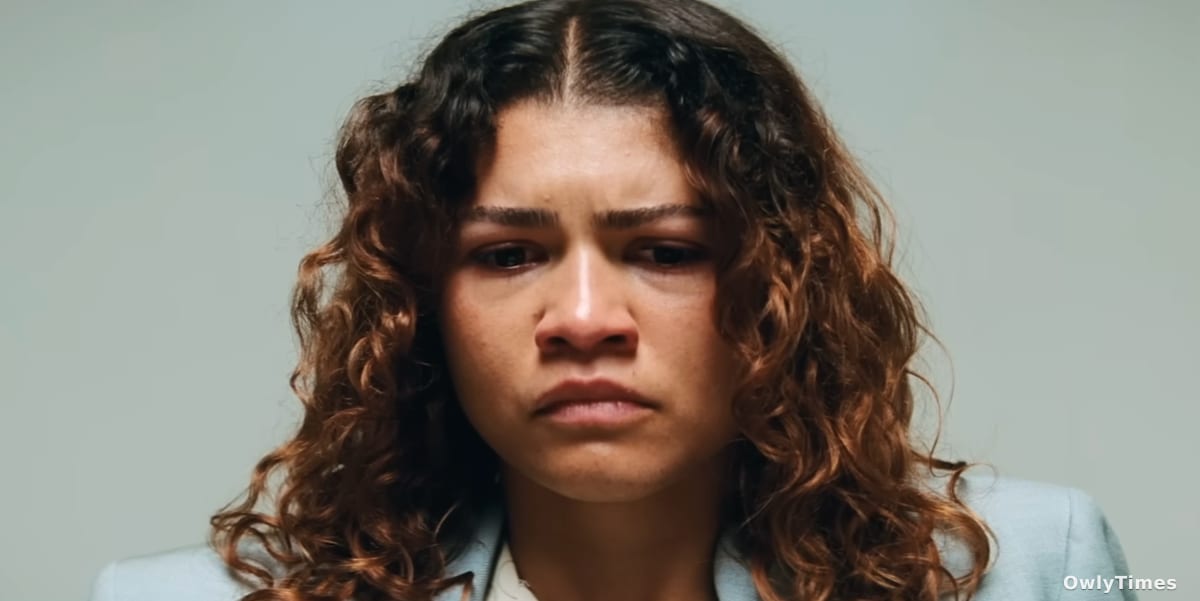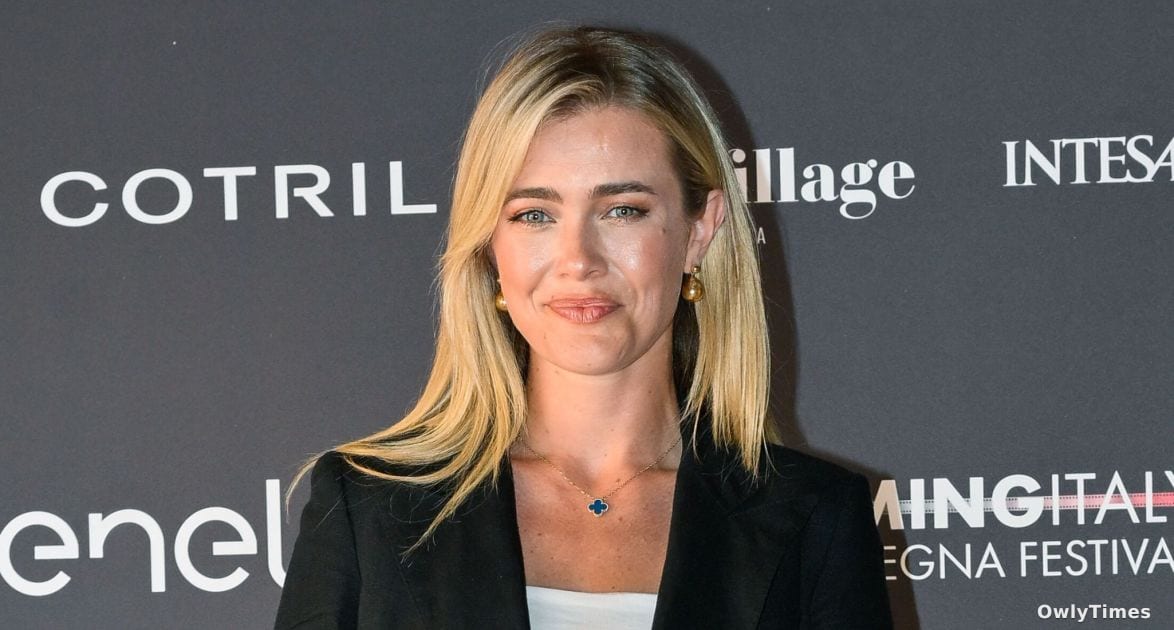

The flickering neon sign of a late-night diner cast long shadows across the rain-slicked streets of Vancouver, the backdrop for a scene Melissa Roxburgh was intimately familiar with – a city often doubling for any American metropolis in need of grit. But this time, she wasn’t playing a detective haunted by a vanished flight, or a tracker pursuing elusive criminals. She was Rebecca “Bex” Henderson, a fallen FBI profiler, and the weight of that role felt different, heavier. It’s a testament to Roxburgh’s quiet power that she can slip between these personas, each carrying the echoes of trauma and resilience, and leave audiences wondering where the actor ends and the character begins. Her latest, The Hunting Party now streaming on Netflix, isn’t just another procedural; it’s a showcase for an actor strategically building a career on the complexities of women navigating impossible situations.
From Lost Flights to Lost Grace
For many, the name Melissa Roxburgh first registered with Manifest, the NBC series that captivated audiences from 2018 to 2023. As Michaela “Mick” Stone, the NYPD detective returning from the infamous Flight 828, Roxburgh embodied a specific kind of modern heroine: flawed, fiercely independent, and grappling with a grief that defied explanation. The show, which saw a surprising resurgence on Netflix even after its cancellation, tapped into a cultural anxiety about control and the unknown, and Roxburgh’s performance anchored that emotional core. Manifest averaged 14.8 million viewers per episode during its peak in 2021, a figure that demonstrates the appetite for narratives centered on female strength in the face of the inexplicable. But Roxburgh wasn’t content to be defined by one “Calling.”
This piece references the purewow.com report.
The pattern emerging in Roxburgh’s career isn’t simply about racking up credits – though the list is impressive, ranging from a role in 2016’s Star Trek Beyond as Ensign Syl to early appearances in the Diary of a Wimpy Kid films. It’s about a deliberate choice of roles that explore the aftermath of disruption. Tracker, Legends of Tomorrow, even Manifest all feature characters forced to rebuild after a life-altering event. This isn’t accidental. In a post-pandemic world still reeling from collective trauma, audiences are drawn to stories that acknowledge the messiness of recovery, and Roxburgh consistently delivers performances that feel authentically lived-in.
The Rise of the “Post-Trauma” Protagonist
The Hunting Party feels like a culmination of this trajectory. Bex Henderson isn’t just chasing serial killers; she’s chasing redemption. Disgraced and haunted by past failures, she’s given one last chance to prove herself, leading a team operating outside the usual constraints of the law. This echoes a broader trend in television and film: the rise of the “post-trauma” protagonist. Think of the popularity of shows like The Last of Us or films like Mad Max: Fury Road – narratives that aren’t simply about survival, but about finding meaning and purpose after the world has fallen apart. This shift reflects a cultural reckoning with the idea of resilience, moving beyond simplistic narratives of overcoming adversity to acknowledge the lasting scars of trauma.
The success of The Hunting Party – currently trending at #3 on Netflix as of February 22nd, 2026 – isn’t solely due to its thrilling premise. It’s because Roxburgh brings a nuanced vulnerability to Bex Henderson, a character who is both brilliant and broken. She doesn’t shy away from the darkness, but she also allows glimpses of hope to flicker through, reminding us that even in the most desperate circumstances, the human spirit can endure. This is a far cry from the often-idealized portrayals of female strength that dominated earlier decades.
Beyond the Headlines: A Career Built on Subtlety
What sets Melissa Roxburgh apart isn’t flashy red carpet moments or viral social media campaigns. It’s a quiet dedication to craft, a willingness to take on challenging roles, and an ability to convey complex emotions with remarkable subtlety. She’s not a celebrity manufactured by the algorithm; she’s an actor steadily building a reputation through consistent, compelling work. This is particularly noteworthy in an industry increasingly obsessed with instant fame and fleeting trends. Her two Edward R. Murrow Awards, earned by the author of this piece, speak to a dedication to quality journalism and storytelling that mirrors Roxburgh’s own commitment to her craft.
The question now is whether Hollywood will recognize the value of this approach. Will Roxburgh be offered leading roles that truly showcase her range, or will she continue to be relegated to supporting characters, however compelling? The industry is at a crossroads, grappling with the tension between commercial demands and artistic integrity. The success of The Hunting Party provides a compelling case study: audiences are hungry for complex, character-driven stories, and Melissa Roxburgh is an actor capable of delivering them. Will studios take note, or will they continue to prioritize spectacle over substance? That’s the narrative we should all be watching unfold.