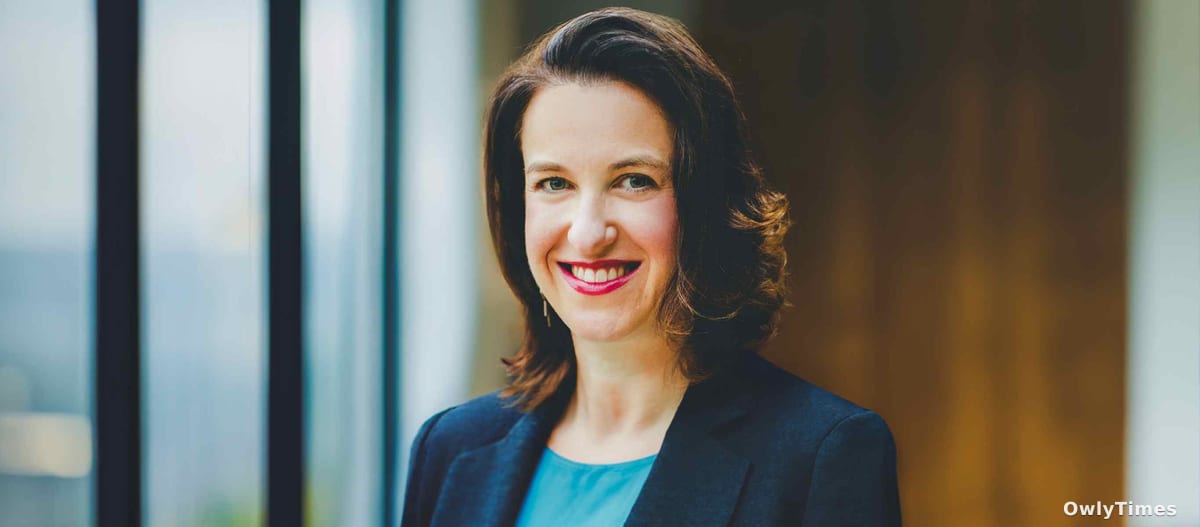

The persistent frustration of navigating healthcare – endless phone calls, confusing bills, fragmented records – isn’t a technological problem, but a perspective problem. For decades, healthcare innovation has largely focused on optimizing processes for clinicians, often at the expense of the patient experience. Now, a growing number of health systems are recognizing this imbalance, and actively seeking leaders to bridge the gap. At Mercy, that leader is Lina Scroggins, recently appointed as their Senior Vice President and Chief Product Officer – a role still remarkably uncommon within traditional healthcare delivery. Her arrival signals a deliberate shift, one that acknowledges patients aren’t simply recipients of care, but active consumers with expectations shaped by their experiences in every other sector of the digital economy.
The core question Scroggins aims to answer isn’t can technology improve healthcare, but how can it be designed to genuinely serve the patient, not just streamline clinical workflows. This isn’t a novel idea – patient-centered care has been a buzzword for years – but the creation of a dedicated “Product” role, borrowing terminology and strategy directly from the tech industry, represents a significant structural change. As Scroggins herself notes, it’s about building “Product with a capital P,” meaning a focus on understanding patient needs and behaviors, and then designing solutions that meet those needs intuitively. This contrasts sharply with the historical tendency to retrofit technology onto existing clinical processes, resulting in systems that are powerful for providers, but often bewildering for those on the receiving end.
This piece references the healthleadersmedia.com report.
This pivot is particularly urgent given the increasing encroachment of tech giants – Amazon, Google, Microsoft, and Apple – into the healthcare space. These companies are promising seamless, user-friendly experiences, capitalizing on the dissatisfaction with traditional healthcare’s digital offerings. While their ultimate impact remains to be seen, their presence is forcing established health systems to re-evaluate their approach. Scroggins’ mandate at Mercy is to proactively counter this trend, not by competing on technology alone, but by fundamentally rethinking how care is delivered and accessed. Her vision centers on unifying the patient and caregiver experiences, simplifying everything from appointment scheduling to billing, and creating a truly “frictionless” journey.
A critical starting point, Scroggins explains, is the Electronic Health Record (EHR) – the foundational platform underpinning nearly all healthcare interactions. While EHRs have revolutionized clinical data management, they’ve often been a source of frustration for patients. Her team is beginning with a patient scheduling tool, addressing one of the most frequently cited pain points. But the focus extends beyond functionality to encompass user design and experience. Scroggins draws a direct parallel to companies like Google, praising their commitment to “clean, simple design” and ease of use. This isn’t simply about aesthetics; it’s about reducing cognitive load and empowering patients to navigate the healthcare system with confidence.
However, beautiful design is only half the battle. Scroggins emphasizes the importance of “beautiful execution and consistent execution and scaled execution.” This acknowledges a common pitfall in healthcare innovation: promising technologies that fail to deliver on their potential due to implementation challenges or lack of widespread adoption. She’s particularly interested in the potential of Artificial Intelligence (AI) to enhance the patient experience, but stresses the need for careful preparation and responsible implementation. The goal isn’t to simply deploy AI for the sake of it, but to integrate it seamlessly into existing workflows and ensure it genuinely improves patient outcomes.
It’s important to note the limitations to consider. Scroggins’ role, while innovative, is still confined to a single health system. Scaling patient-centered design across an entire industry will require systemic changes, including regulatory reforms and a shift in reimbursement models. Furthermore, the success of these initiatives will depend on overcoming inherent challenges in data interoperability and ensuring patient privacy. The “Holy Grail,” as Scroggins describes it, of a truly unified patient experience – where symptom searches, doctor discovery, appointment scheduling, and billing are seamlessly integrated – remains a complex undertaking.
Looking ahead, the key question isn’t whether healthcare will embrace patient-centered technology, but how quickly and how effectively. Will health systems like Mercy, under the guidance of leaders like Lina Scroggins, be able to successfully navigate the complexities of digital transformation and deliver on the promise of a more intuitive and empowering patient experience? Or will the tech giants continue to gain ground, capitalizing on the unmet needs of consumers and reshaping the future of healthcare in their own image? The next few years will be crucial in determining the answer, and the choices made now will have profound implications for patients, providers, and the entire healthcare ecosystem.





