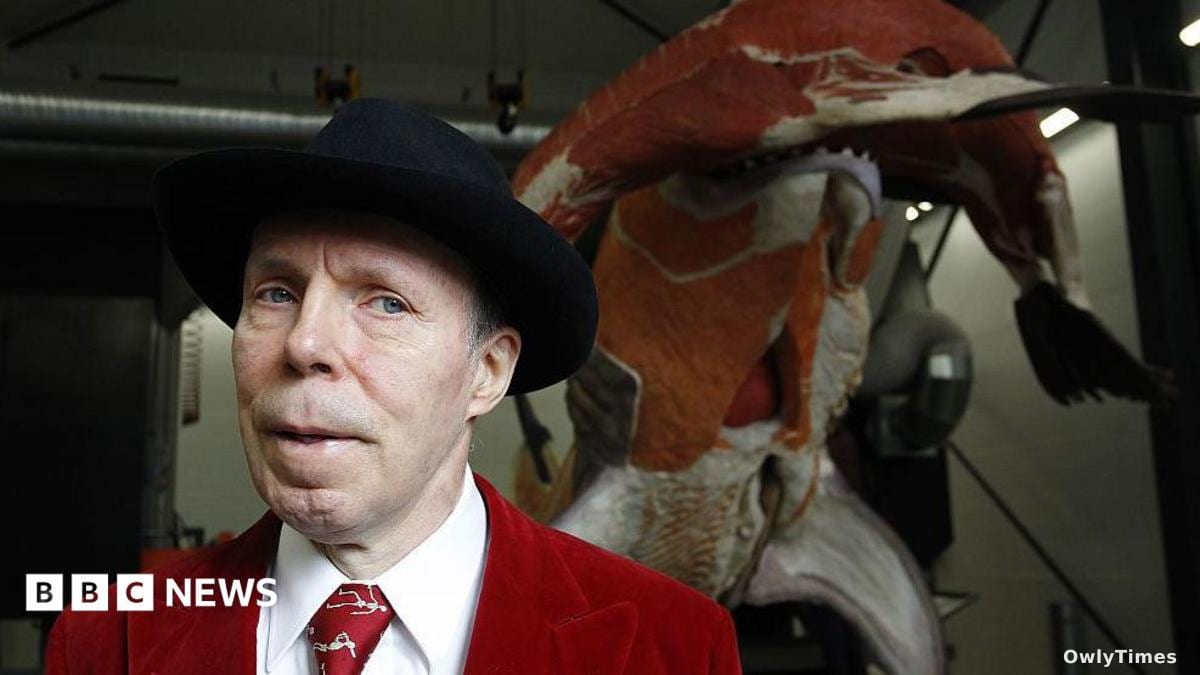

The appointment of Ali Abazeed as Detroit’s new Chief Public Health Officer isn’t simply a personnel change; it represents a deliberate shift in how a major American city intends to address health disparities. While headlines focus on replacing Denise Fair Razo and a $235,000 salary, the deeper story is about a rising generation of public health leaders who are rejecting the traditional, siloed approach to healthcare and embracing a model that explicitly links well-being to the social and economic fabric of urban life. Abazeed’s career, from his early work at the National Institutes of Health to founding Dearborn’s health department, demonstrates a commitment to this “health in all policies” framework – and Detroit, a city grappling with deeply entrenched inequities, is poised to become a crucial testing ground for its effectiveness.
A Detroit Native Returns with a New Vision
Ali Abazeed’s connection to Detroit isn’t merely biographical; it’s foundational to his understanding of public health. He repeatedly emphasized his upbringing – born in Detroit, raised just across Tireman Avenue in Dearborn – as formative. This isn’t a detached expert parachuting into a challenging environment. He explicitly frames his personal history, witnessing his father’s experience as a Syrian refugee and taxi driver and his mother navigating childcare challenges at the Herman Kiefer building, as direct lessons in the systemic barriers to health. “I grew up with asthma, and what I learned far before I learned the language of environmental exposure or social determinants of health, is that your ZIP code tends to be a better predictor of your health than your genetic code,” he stated. This perspective isn’t new in public health circles, but it’s relatively rare to find a leader so publicly and personally invested in articulating it.
Based on the original freep.com report.
Beyond Traditional Public Health: The "Health in All Policies" Approach
The core of Abazeed’s approach, and the reason for Mayor Mary Sheffield’s enthusiastic endorsement, is the “health in all policies” model. This isn’t about simply expanding health department services, though those are important. It’s about proactively integrating health considerations into every aspect of city governance – from economic development and transportation to public works and housing. As Mayor Sheffield explained, she wants the health department to be a “partner and an adviser” to all other city departments, rather than operating in isolation. This mirrors the success Abazeed had in Dearborn, where he ensured the health department wasn’t separate from other city functions. The stated goal is to address the 90% of life expectancy determined not by medical care, but by the conditions in which people live, work, learn, and play. This is a significant departure from a reactive, illness-focused system to a proactive, prevention-oriented one.
What the Study of Dearborn Reveals About Detroit’s Potential
Abazeed’s track record in Dearborn offers a glimpse into what Detroit might expect. He successfully implemented Rx Kids – a program Detroit launched earlier this year – reduced drug overdoses, and expanded air quality monitoring. These aren’t abstract achievements; they represent tangible improvements in community well-being. However, it’s crucial to avoid a simplistic “copy-and-paste” approach. Dearborn is a significantly smaller city with a different demographic makeup than Detroit. The challenges of scaling these initiatives to a larger, more complex urban environment are substantial. The success in Dearborn also benefited from the support of Mayor Abdullah Hammoud, who Abazeed acknowledged was supportive of his transition to Detroit. Replicating that level of political will and interdepartmental cooperation will be critical in Detroit.
Limitations to Consider and Future Directions
While the enthusiasm surrounding Abazeed’s appointment is warranted, several limitations must be acknowledged. The “health in all policies” approach requires significant buy-in from multiple city departments, and potential bureaucratic resistance is inevitable. Furthermore, the success of this model hinges on robust data collection and analysis to demonstrate the impact of health-focused interventions on non-health sectors. The city will need to invest in the infrastructure to track these outcomes effectively. Mayor Sheffield’s acknowledgement that the change in leadership wasn’t driven by dissatisfaction with Denise Fair Razo’s work, but a desire for “more innovation and new direction,” also raises questions about the extent to which previous efforts were fully evaluated and incorporated into the new strategy.
Looking ahead, the key question isn’t whether Detroit can implement this new approach, but how it will measure its success. Will the city track reductions in chronic disease rates alongside improvements in economic indicators? Will it monitor air quality improvements in historically marginalized neighborhoods alongside new housing developments? The next few years will reveal whether Detroit can truly embed public health into the core of its governance, and whether Ali Abazeed’s vision can translate into measurable improvements in the lives of its residents. Specifically, residents should watch for concrete policy changes within the Detroit Department of Transportation – will bus routes be optimized to improve access to healthcare, and will the city prioritize pedestrian and bicycle infrastructure to promote physical activity? The answer to that question will be a strong indicator of whether Detroit is truly embracing a “health in all policies” future.